


Introduction
Located on Luxor’s Nile Corniche, the mummification museum recounts the ancient Egyptian techniques for preserving the dead and their significance to the culture. The museum has a small collection, an engaging storyline, and makes for an ideal stop before visiting the temples and tombs. This guide shares what you will see, how mummification worked, how to reach the museum on foot, and how to weave it into a day on the East Bank.
Include the mummification museum in your plans for Luxor and let the temples and tombs expand on what you see here. If your time in Egypt extends to other countries, take a look at our multi-country tours .
Table of content:
What Is the Mummification Museum in Luxor?
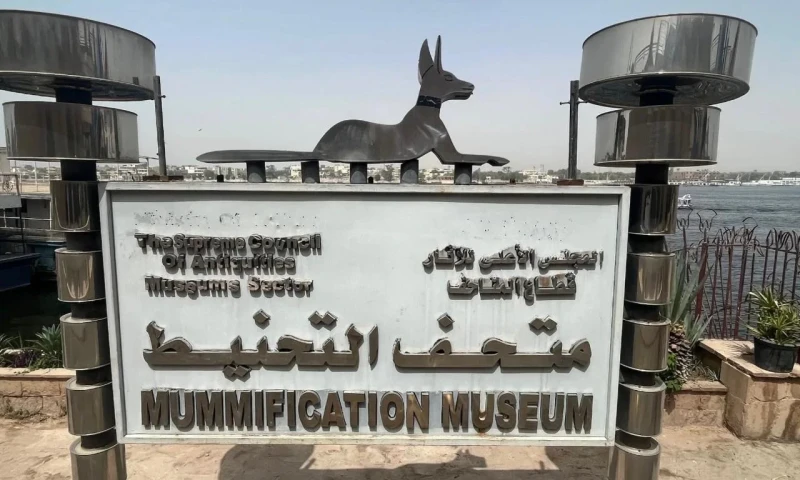
Set in a building that was previously a visitor center, the museum opened its doors in 1997. It lies on the Corniche, north of Luxor Temple and across from the Mina Palace Hotel, with views of the Nile.
Compared to the wider range of antiquities found in the Luxor Museum, described in our Luxor Museum guide, this museum has a specialist collection devoted to one topic: preparing the deceased for the afterlife.
The museum’s size means it is perfect for travelers who like to read the informative plaques and spend time at each display. Browse our range of Egypt travel packages to see how Luxor might fit into a larger itinerary.
What Will You See Inside the Museum?
The displays follow the journey from the embalming tools to the final mummy. Cases of artifacts, dating from the Old Kingdom to the Late Period, illustrate the process.
-
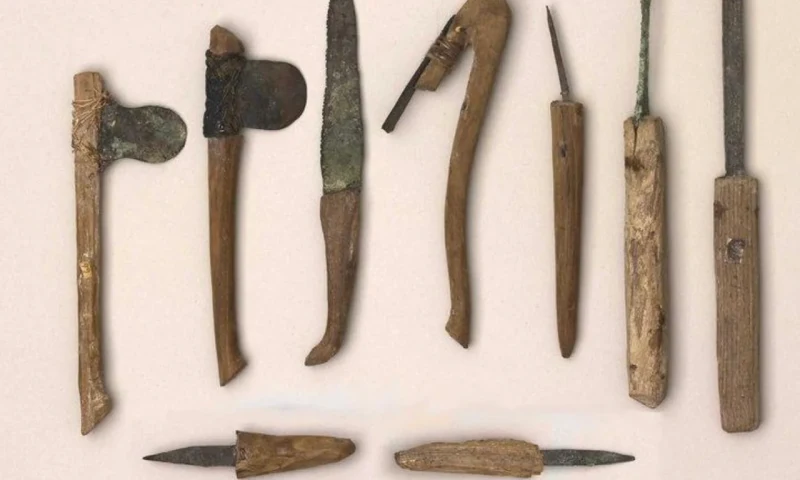
Embalming tools, including a small spoon and a metal spatula
-
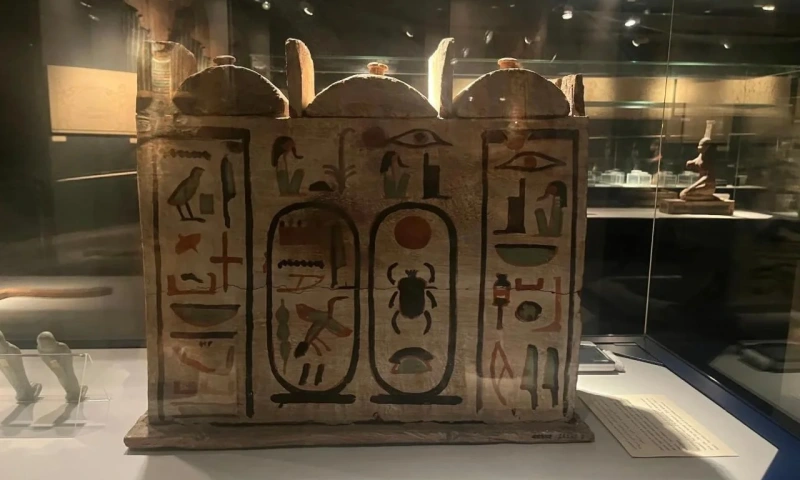
Canopic jars and vessels to hold the organs removed from the body
-
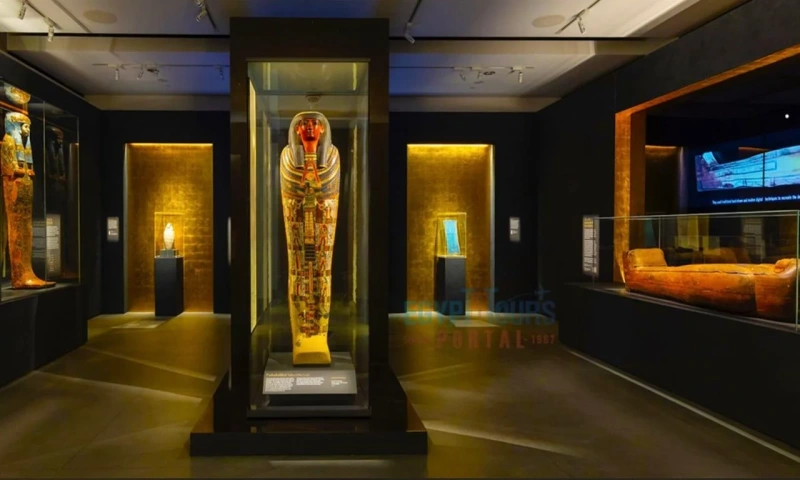
Painted coffins, amulets, statues of deities and funerary paintings
-
Human mummies, including that of Masaharta, a High Priest of Amun from the 21st Dynasty
-
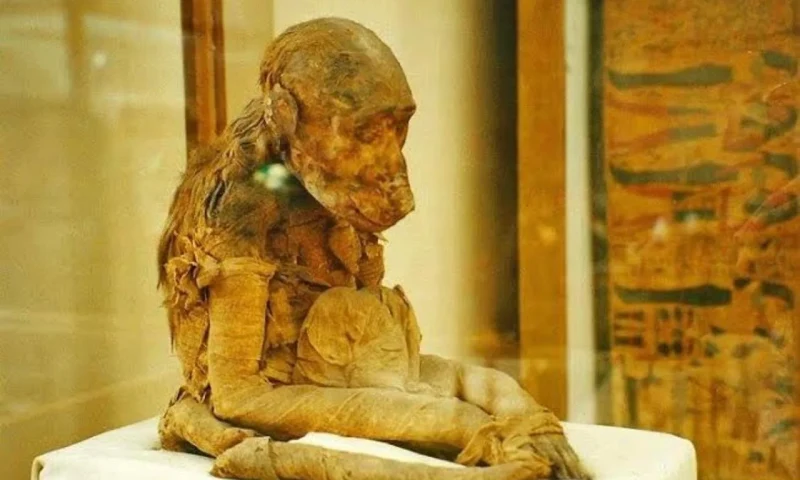
Animal mummies, including cats, rams and crocodiles
-
A statue of Anubis, the jackal god of embalming, near the entrance
Animal Mummies and Sacred Creatures
The animal mummy displays can be a pleasant surprise for first-time museum visitors. Cats, rams and crocodiles were mummified, each representing different aspects of Egyptian beliefs.
If the crocodile mummies spark your curiosity, the Crocodile Museum in Kom Ombo goes into more detail and can be included on a day out in Aswan.
How Did Ancient Egyptians Mummify the Dead?
The mummification displays are based on one core idea: the preservation of the body so the soul can continue to exist in the afterlife. Embalmers worked under the symbolic protection of Anubis and performed a process lasting around 70 days, which included rituals and spoken incantations.
Canopic jars held the organs removed from the body, and amulets were placed in the wrappings to protect the deceased when they entered the afterlife. Seeing the amulets and canopic jars on display, alongside the embalming tools, makes it easier to follow the process than reading a detailed description.
For a different perspective on mummification, see the Royal Mummies Hall at Cairo’s National Museum of Egyptian Civilization. The Luxor museum, by contrast, focuses on the craftsmanship involved.
Why Is This Egypt Mummy Museum Worth a Stop in Luxor?
Temples and tombs in Luxor display the legacy of Egyptian funerary beliefs. This museum interprets the preparation for death.
As an egypt mummy museum, it makes a good stop, as it has one topic, presented clearly with enough detail for travelers to read the informative plaques. The focus on one aspect of the ancient Egyptian lifestyle makes this museum different from the large collections housed in Cairo’s museums.
After spending an hour in the museum, other museums and the ancient ruins make more sense. The themes in tomb art and the coffins in other collections chime with what you have seen here.
How Do You Reach the Museum and How Long Should You Stay?
From Luxor Temple, it is a 5 to 10-minute walk to the museum along the Corniche. It is a recognized landmark, and taxi drivers will know the name if you prefer to take a taxi.
Inside, the mummification museum can be explored in one to two hours, depending on how long you spend at each display.
Most visitors will descend stairs from the Corniche to reach the entrance, so travelers with reduced mobility should take this into account. Opening times and ticketing policies may change, so confirm both before visiting.
How Can You Fit the Museum into a Wider Luxor Itinerary?
Fit the mummification museum between visits to Luxor Temple and the Luxor Museum, both within a short walk in either direction along the Corniche. This keeps the East Bank section of the day compact.
A stop at the museum can lead to a discussion about the West Bank. Tombs in the Valley of the Queens depict scenes from the afterlife, while the museum houses the remains prepared for this journey.
For travelers who prefer to see Luxor from a cruise ship, take a look at our Nile river cruises, which also stop in other Upper Egypt destinations.
FAQs
Where is the Mummification Museum located in Luxor?
It sits on the Corniche on Luxor’s East Bank, north of Luxor Temple and across from the Mina Palace Hotel. It takes around 5 to 10 minutes to walk from the temple along the Corniche.
How long does a visit take?
Most visitors spend one to two hours at the museum, depending on how long they spend at each display. Combine the museum with a visit to either Luxor Temple or the Luxor Museum to make a longer stop on the East Bank.
What makes this Egypt mummy museum different from other Luxor museums?
Rather than covering a wide range of artifacts from different periods, this museum has a specialist collection relating to one topic: mummification. Displays include embalming tools, canopic jars, coffins, amulets, and human and animal mummies.
How long did ancient Egyptian mummification take?
Ancient Egyptian mummification was a 70-day process that combined the embalming work with rituals and incantations. Anubis was the god who watched over the process, and amulets were placed in the wrappings to protect the deceased in the afterlife.
Which animal mummies are on display?
Among the mummified animals on display are cats, rams, and crocodiles. Each represents a different aspect of Egyptian beliefs.
