


Introduction
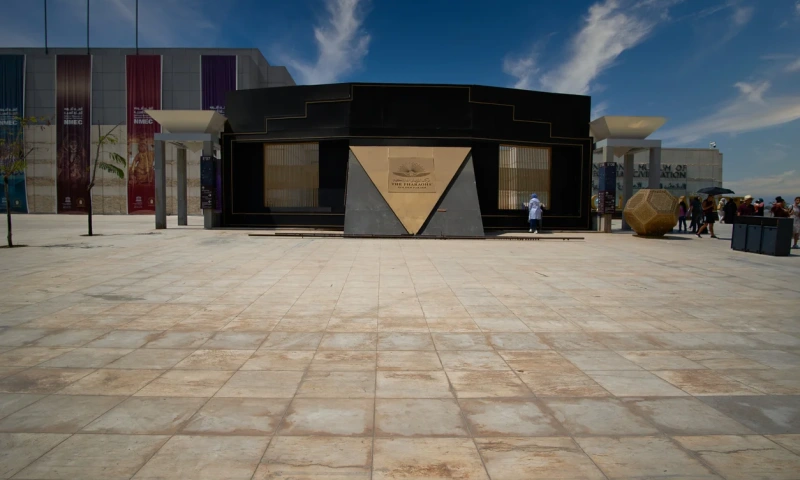
The National Museum of Egyptian Civilization is situated in Fustat, the southern part of Cairo. Its galleries document Egypt’s history through the ages, from prehistoric times to modern times. A visitor can explore the entire history of Ancient Egypt in one go and discover the various stages of its development.
Two of the museum’s main halls are the Central Exhibition Hall and the Royal Mummies Hall, located below it. This guide will walk you through what to expect at this museum, how it was created, how to plan your visit, and what else to see in Egypt.
Ready to Plan Your Visit?
Start your day in Cairo with the National Museum of Egyptian Civilization and plan the rest of your route around the museum. Our Egypt travel packages will help you to create an itinerary that includes Cairo, Luxor, and Aswan.
Table of content:
- Why Is NMEC Cairo Located in Fustat?
- What Can You See Inside The National Museum of Egyptian Civilization?
- What Makes This Museum Different From Other Cairo Museums?
- How Do You Plan a Visit to the Museum in Fustat?
- How Does a Museum Visit Fit Into a Wider Egypt Trip?
- Which Egypt Routes Continue From the Cairo Museum?
- FAQs
Why Is NMEC Cairo Located in Fustat?
The museum is built in Fustat, an old district of Cairo, and its history spans two decades. The foundation stone was laid in 2002 under the patronage of UNESCO and the Egyptian government.
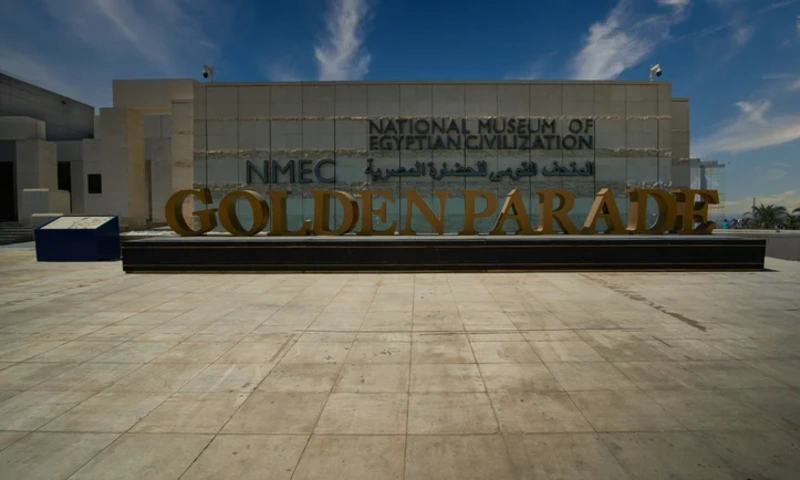
The first temporary exhibition hall was opened in 2017, and the Central Exhibition Hall was inaugurated in April 2021. Just a day before the opening of its gates, a popular procession of royal mummies took place on 3 April 2021. The Pharaohs’ Golden Parade, as it is called, officially opened the museum as a national event as well as a cultural one.
What Can You See Inside The National Museum of Egyptian Civilization?
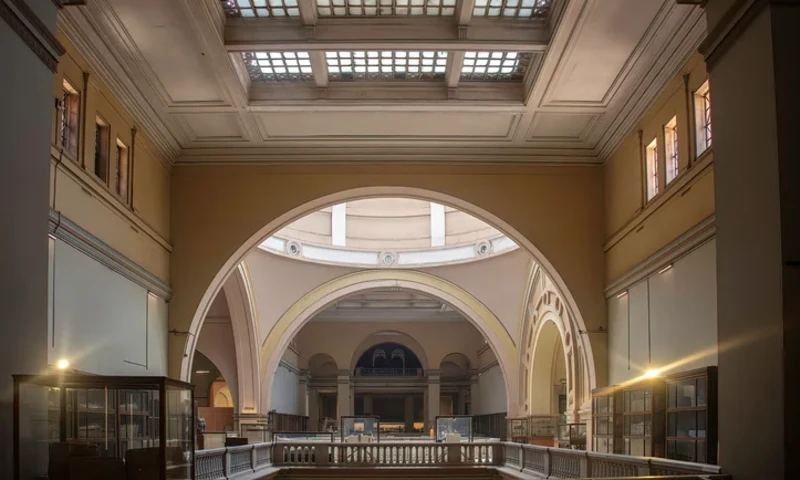
A long, extended hall welcomes you with gleaming floors as you walk into the heart of the museum. At the entrance to the Main Exhibition Hall, there is a staircase leading downward to the Royal Mummies Hall.
Central Exhibition Hall
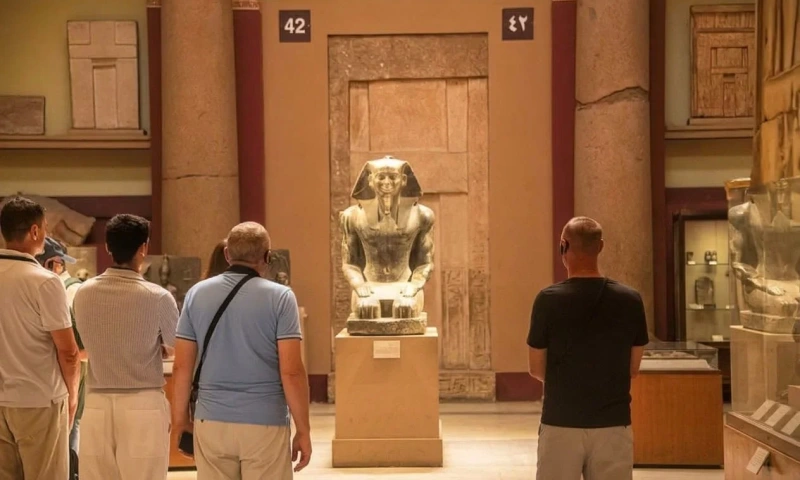
In this large hall, Egypt’s history is presented in chronological order. Over 1,600 objects were on display when the museum opened. This collection covers different civilizations that lived in Egypt in chronological order. Pharaonic relics are displayed alongside the collections of the Greco-Roman, Coptic, and Islamic eras. Moreover, the narrative stretches into modern times. Unlike many other museums that focus on particular epochs and civilizations, the museum covers Egypt’s entire history in one place.
Royal Mummies Hall
On 3 April, 2021, a grand Pharaohs’ Golden Parade procession took place in and around the museum. This day marked the beginning of the opening of the Royal Mummies Hall. This section of the museum was officially opened on 18 April 2021, which was also World Heritage Day.
The mummies on display were excavated in ancient Egypt between the 17th and 20th dynasties, dating back almost 3,000 years. The mummies of Pharaohs such as Ramesses II, Seti I, Thutmose III and Queen Hatshepsut can be seen, lying in the coffins in which they were found. The architecture of the Royal Mummies Hall reminds one of the Valley of the Kings. If you decide to visit Luxor later on, our Luxor Museum guide will help you find your way around another royal tomb site.
Queen Ahmose-Nefertari, the wife of King Ahmose, is also part of the mummy display. In our Valley of the Queens guide, you can find more information about the burial sites of New Kingdom Queens in the West Bank of Luxor.
Education Center and Events
In addition to the museum’s regular exhibitions, the National Museum of Egyptian Civilization has an Education Center, where students from kindergarten to university can benefit from educational programs. Archaeological lectures are also held in the museum. Therefore, it might be a good idea to check the museum’s website for any special events that might be of interest to you.
What Makes This Museum Different From Other Cairo Museums?
The difference between this museum and others in Cairo is that it narrates the history of the entire country through all of its periods. Instead of viewing separate collections of civilizations and cultures, one can explore Egypt’s continuous history from prehistoric times to modern times.
The Royal Mummies Hall is another highlight of the museum, which showcases mummies from ancient Egypt. There are approximately 150 exhibits in the Royal Mummies Hall, including mummies and coffins. Notably, the mummies are displayed in the same location where they were found.
How Do You Plan a Visit to the Museum in Fustat?
With a little planning, you can ensure that your visit to this museum is pleasant and smooth, as NMEC Cairo is best experienced on a relaxed day. Paying a half-day visit to the museum seems the most reasonable option.
Location and Getting There
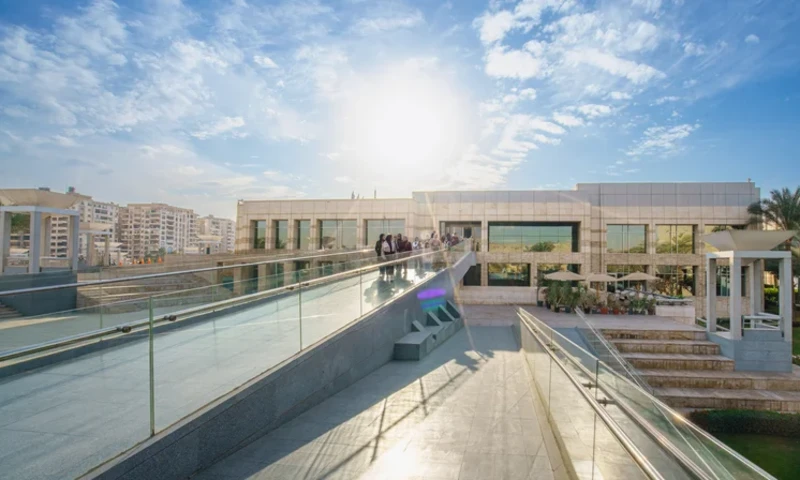
The National Museum of Egyptian Civilization is located on El-Fustat Road in the Ain el-Sira district in Fustat, a few kilometers from Tahrir Square, where the Egyptian Museum is located. You can request a private driver or a guided transfer, so that the logistics of the trip are taken care of, especially if you plan to combine a visit to this museum with other excursions in Cairo.
Opening Hours and Tickets
The opening hours of the museum vary depending on the season. During Ramadan, the opening hours may change. Therefore, it is advisable to double-check the current opening hours before your arrival. The museum has different ticket categories for Egyptian and foreign visitors, as well as students. For the latest information, you can contact the museum or your tour operator.
How Does a Museum Visit Fit Into a Wider Egypt Trip?
Cairo can be the perfect starting point for your journey through Egypt, and this museum fits right into the middle of it. After enjoying the exhibits at the National Museum of Egyptian Civilization in the morning, you can spend the afternoon bazaaring in Islamic Cairo. The Khan El-Khalili bazaar guide will point out the most fascinating spots.
The history of Ancient Egypt comes to life further south, where the ruins of Luxor’s temples stand as a magnificent reminder of the power and splendor of the ancient civilization. You could also consider visiting Luxor. The Habu Temple guide will tell you about the mortuary temple of Ramesses III, notable for its intricate carvings and unique gate.
Which Egypt Routes Continue From the Cairo Museum?
Many travelers include this museum in a longer tour around Egypt, visiting Cairo, Luxor and Aswan. A Nile river cruises from Luxor to Aswan and back is an excellent way to see the highlights of these cities, including their temples.
If you only include Egypt in your wider tour around Europe, multi-country tours also work well. In both cases, a day trip to Cairo before heading to Upper Egypt will give you enough time to enjoy this museum.
FAQs
What is the National Museum of Egyptian Civilization known for?
The museum is known for its collection of Egyptian history from prehistoric times to modern times. Royal Mummies Hall, with the royal mummies from the 17th to the 20th dynasties, is particularly popular.
Where is NMEC Cairo located?
The museum is located on El-Fustat Road in the Ain el-Sira district of Fustat, Cairo. It is several kilometers away from Tahrir Square, where the Egyptian Museum is located.
Which royal mummies can you see in the Royal Mummies Hall?
The museum’s Royal Mummies Hall displays royal mummies from the 17th to the 20th dynasties, including the mummies of Pharaohs Ramesses II, Seti I, Thutmose III, and Queen Hatshepsut. These royal mummies are displayed in the place where they were found.
How is the museum different from the Egyptian Museum in Tahrir Square?
The royal mummies used to be on display at the Egyptian Museum in Tahrir Square before they were transferred to Fustat. This museum provides a continuous narrative of Egypt’s history throughout all of the periods in which the country’s history is divided.
Are the opening hours the same all year?
Not necessarily. The opening hours for the museum change from year to year and are also adjusted during Ramadan, which is why you should consult the official website to get the most up-to-date information prior to your arrival.
