


Introduction
The Valley of the Queens extends along the West Bank of the Nile at Luxor, in the ancient necropolis of Thebes, where royal consorts, princes, and princesses were buried during the New Kingdom. This royal burial ground is smaller than the Valley of the Kings, though its decorated tombs depict the ancient Egyptian vision of the afterlife for members of the royal family. This post provides an overview of its history, the tombs that are open to visitors, and practical advice for including the Valley of the Queens in a Luxor itinerary. Browse our Egypt travel packages to design a tour around the West Bank, and reserve your dates with OFT Travel.
Table of content:
- What Are the Valley of the Queens Facts Every Traveler Should Know?
- Why Was This Necropolis Reserved for the Royal Family?
- Which Tombs Should You Visit in the Valley of the Queens?
- How Does the Valley Fit into a Luxor West Bank Day?
- What Should You Know Before You Visit?
- How Can a Guide Make the Visit Easier?
- FAQs
What Are the Valley of the Queens Facts Every Traveler Should Know?
The ancient Egyptians named this necropolis Ta-Set-Neferu, which means something like the royal children’s land – a name that has stuck in the modern Arabic Biban el-Harim, or gates of the queens. This points to the intended occupants of these tombs: the children and wives of the pharaoh, rather than the pharaohs themselves.
The Valley of the Queens is situated in a dry wadi among the Theban hills, near Medinet Habu and Deir el-Medina. Most of the decorated tombs belong to the Nineteenth and Twentieth Dynasties. There are dozens of recorded tombs, but few of these are open to visitors.
Overview at a Glance
-
Location: the West Bank of the Nile at Luxor, the ancient Thebes.
-
Who was buried here: Queens, princes and princesses of the New Kingdom.
-
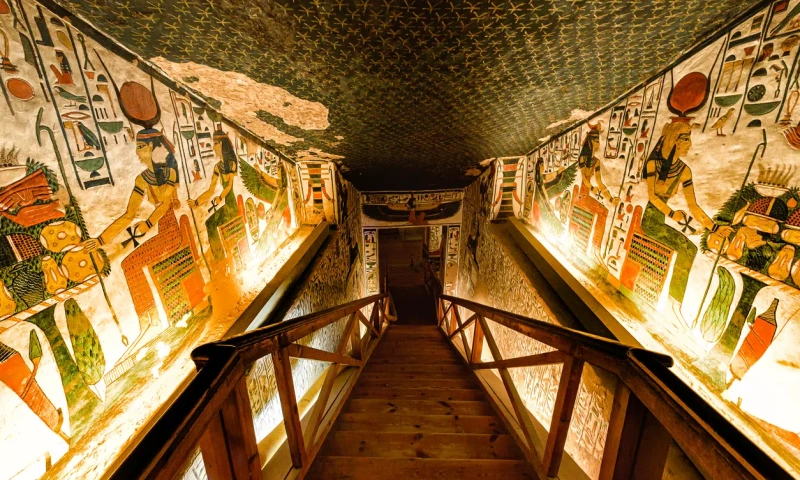
Most famous tomb: QV66, the Tomb of Nefertari.
-
Other popular tombs: QV52 (Titi), QV55 (Amun-her-khepeshef) and QV44 (Khaemwaset).
-
Visitor tip: The Tomb of Nefertari usually requires a separate ticket, and visitor numbers are restricted.
Why Was This Necropolis Reserved for the Royal Family?
The royal family members were buried in separate necropolises. The king himself was laid to rest in the Valley of the Kings, with his wife and children following in burials nearby. The queens and princes each had a tomb of their own, to accompany the king on his journey to the afterlife. Most of the decorated tombs date to the Ramesside period when this necropolis was in active use.
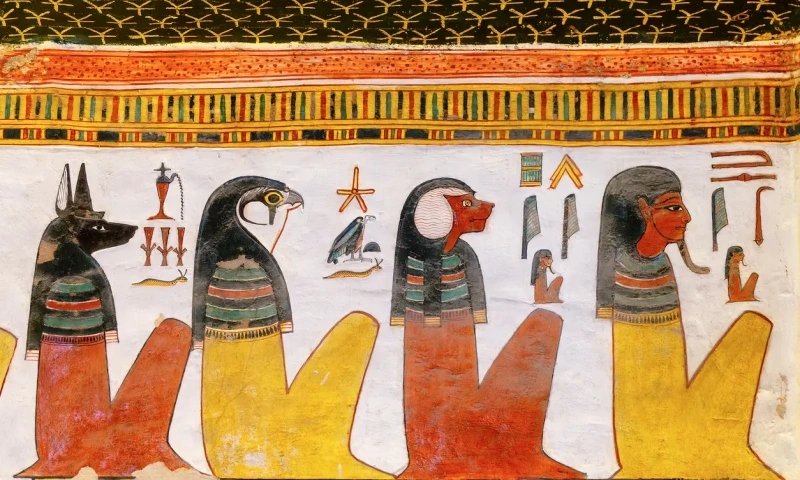
The painted scenes inside are all variations on a theme, depicting the deceased arriving before the gods who preside over the passage to the afterlife. Military and building exploits are not the focus here, as opposed to the Valley of the Kings.
Which Tombs Should You Visit in the Valley of the Queens?
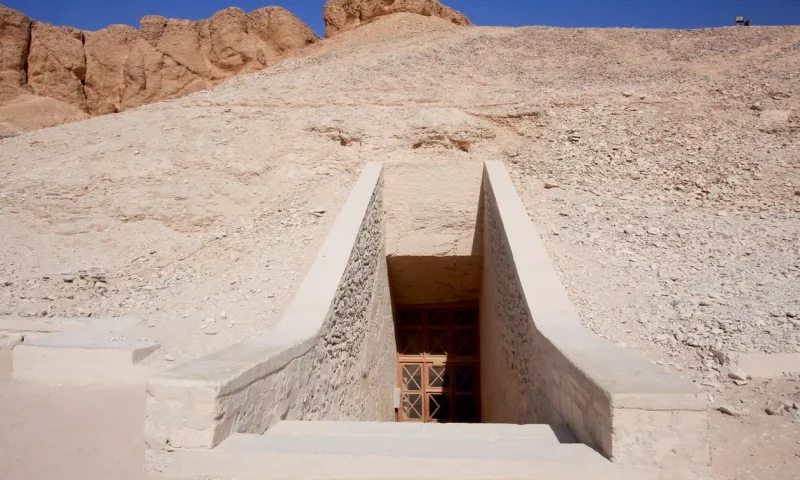
The choice of open tombs can vary; your guide should advise on which ones are accessible on the day of your visit. These are four favorites among travelers.
Tomb of Nefertari (QV66)
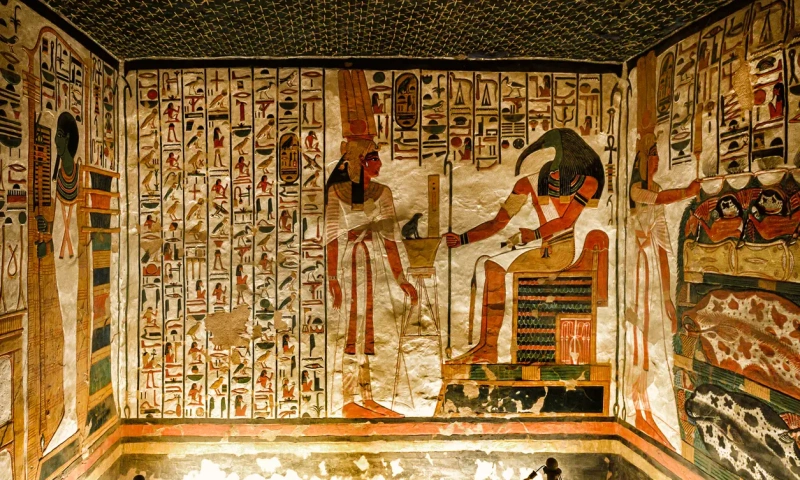
Nefertari’s tomb is a prime attraction for many visitors, and for good reason. The scenes painted onto the plastered walls show the queen surrounded by gods, and the stars on the ceiling create an effect similar to a starry night sky. An extensive conservation project in the 1980s and 90s has helped to preserve these murals, and contributed to the restricted visitor numbers.
Tomb of Amun-her-khepeshef (QV55)
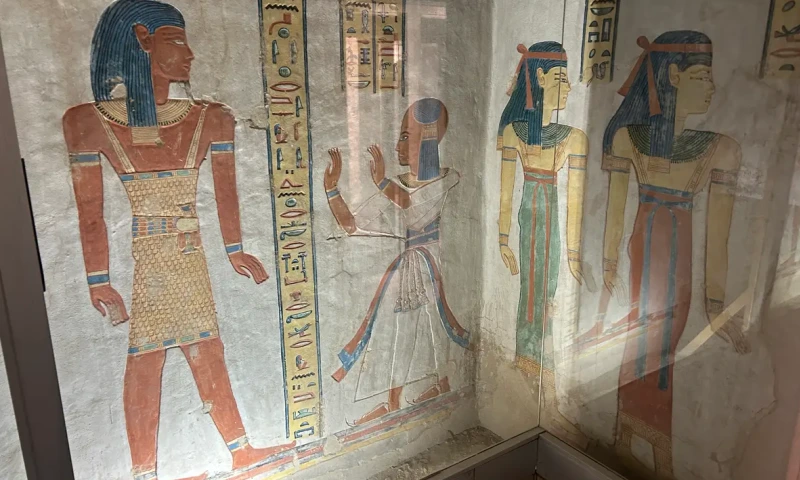
This was the burial place of a son of Ramesses III, and the painted scenes depict him being led before the gods by his father. Isis and Thoth appear among the divine figures – our guide to Egyptian mythology and gods will help you recognize the familiar names.
Tomb of Titi (QV52)
Titi was a queen of the Twentieth Dynasty, and her tomb is notable for being on the small side, making it a quick visit. She is depicted with protective deities in the painted reliefs.
Tomb of Khaemwaset (QV44)
Another son of Ramesses III is shown among the gods in his father’s tomb. The re-occurrence of this theme in several tombs of the Valley of the Queens is a reminder of the importance of divine guardianship in the journey to the afterlife.
How Does the Valley Fit into a Luxor West Bank Day?
The Valley of the Queens makes for a fitting addition to a longer tour of the West Bank, usually grouped with a visit to the Valley of the Kings. It is also worthwhile to include a couple of the mortuary temples in the area.
The Hatshepsut mortuary temple at Deir el-Bahari rises in three tiers against the cliffs, a fitting companion to the Valley of the Queens. Closer to the queens’ necropolis, Habu Temple at Medinet Habu preserves outstanding battle reliefs belonging to Ramesses III. Two of his sons are buried in the Valley of the Queens tombs described above, making this a natural grouping.
Luxor is often used as a base for a Nile river cruises between Luxor and Aswan, and a full morning on the West Bank is well rewarded before heading back on the river.
What Should You Know Before You Visit?
These Valley of the Queens facts about practicalities will help on the day of your visit:
-
Arrive early. This is a popular attraction, visitor numbers are restricted, and an early start will get you inside the small tombs.
-
Dress for walking. Comfortable shoes, a hat and light clothing are advisable, as is a bottle of water.
-
Ask about photography. Regulations on this vary from tomb to tomb, so consult with your guide before you bring out your camera.
-
Plan the Tomb of Nefertari tickets. This is a separate ticket category with limited numbers, so check availability at the site.
-
Consider an East Bank visit. Many itineraries end the day at Luxor Temple, with its colonnades and pylon gates belonging to Amenhotep III and Ramesses II.
If you are planning a multi-country tour with Egypt as one leg, contact OFT Travel to build an itinerary that suits your interests.
How Can a Guide Make the Visit Easier?
The tombs are relatively small and best seen at a slow pace. A guide can identify the gods and family members depicted on the walls, and explain the relevance of each scene. Guides also have up-to-date knowledge of which tombs are open to visitors on any given day, and can advise on the separate tickets required for the Tomb of Nefertari, so that you can relax and enjoy the experience.
FAQs
What Are the Most Important Valley of the Queens Facts?
The necropolis is located on the West Bank of the Nile at Luxor, and was used primarily during the Nineteenth and Twentieth Dynasties of Egypt. Its most famous tomb belongs to Nefertari, the wife of Ramesses II.
Where Is the Valley of the Queens Located?
On the West Bank of the Nile at Luxor, near Medinet Habu and Deir el-Medina. Part of the ancient Theban necropolis.
Who Is Buried in the Valley?
Queens, princes and princesses of the New Kingdom. Nefertari, Titi, Amun-her-khepeshef and Khaemwaset are some of the names known to history.
How Does It Differ from the Valley of the Kings?
The Valley of the Kings is the resting-place of the pharaohs, while this necropolis is dedicated to their wives and children. Fewer tombs are open to visitors in this valley.
Can Every Visitor Enter the Tomb of Nefertari?
The Tomb of Nefertari usually has separate tickets with restricted numbers of visitors. Confirm this with your guide on the day of your visit.
