


Introduction
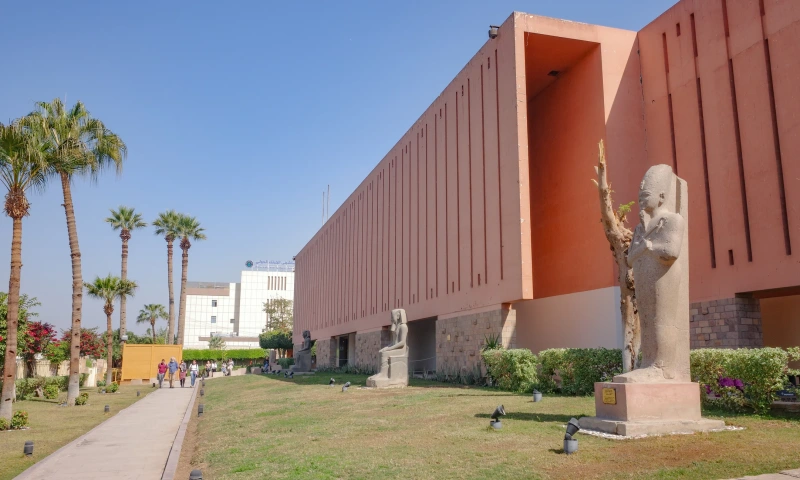
The Luxor Museum is positioned on the Nile Corniche in central Luxor, close enough to walk to from the Luxor Temple. It is small in scale, featuring a selection of statues, reliefs, royal mummies, and temple blocks, mostly originating from and around ancient Thebes, otherwise known as Luxor.
Visit the museum before you see the large temples, and it will prepare you for the figures of kings you meet there; visit afterwards, and you will be able to associate the carving styles with what you have seen. Either way, budget a couple of hours.
Add the Luxor Museum to your itinerary and let OFT travel handle the rest. Explore our multi-country tours to see how Luxor fits into a larger route, then Book Now.
Table of content:
What Makes the Luxor Museum Worth a Visit?
Its overall size and the choice of pieces on display contribute to the appeal of the Luxor Museum. The collection favours quality over quantity, and most items come from local archaeological sites. There is no need to rush; rather, sit and study the fine carving on many of the statues, particularly the faces, kilts and hands.
For a brief rundown of the museum’s main attractions, here are some highlights:
-
A greywacke statue of Thutmose III from Karnak
-
A double statue of Amenhotep III and the crocodile god Sobek
-
The royal mummies of Ahmose I and Ramesses I
-
The reassembled Wall of Akhenaten, built from talatat blocks
-
Statues found beneath Luxor Temple in 1989
-
Objects linked to the tomb of Tutankhamun
How Did the Museum Come to Be?
The museum project began in 1962 with the involvement of Egypt’s Ministry of Culture. Construction and preparation work were completed in 1975, and the museum opened to the public with galleries on two levels.
A further extension to the museum was completed in March 2004 and included a visitor centre and separate display areas for the royal mummies and the reassembled Wall of Akhenaten.
Which Luxor Museum Exhibits Should You Not Miss?
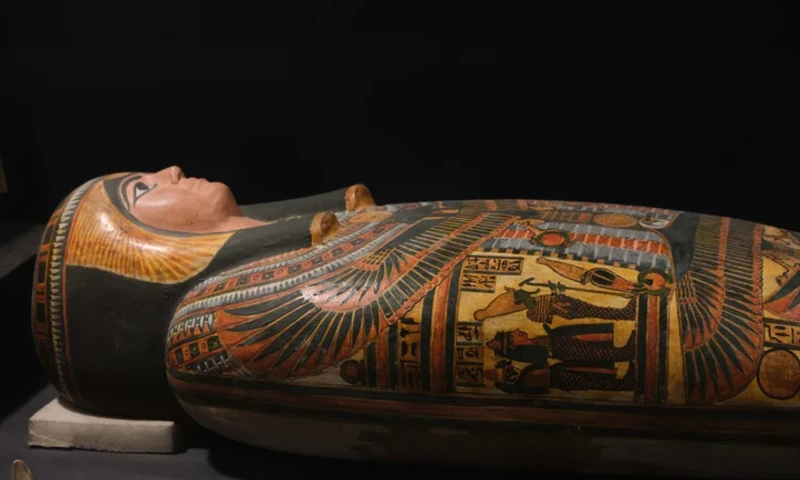
Begin your visit on the ground floor, where the most renowned pieces of Theban sculpture are displayed. The following sections describe the layout in the order in which most visitors see them, but you are welcome to go back if you wish.
Statues of Thutmose III and Amenhotep III
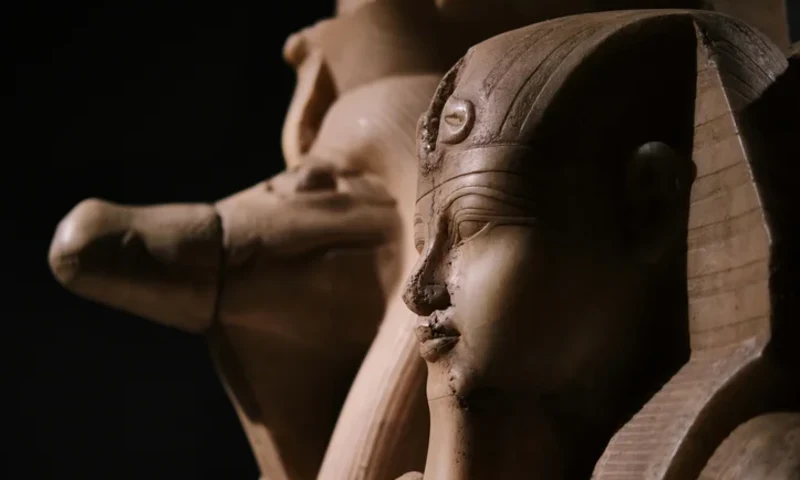
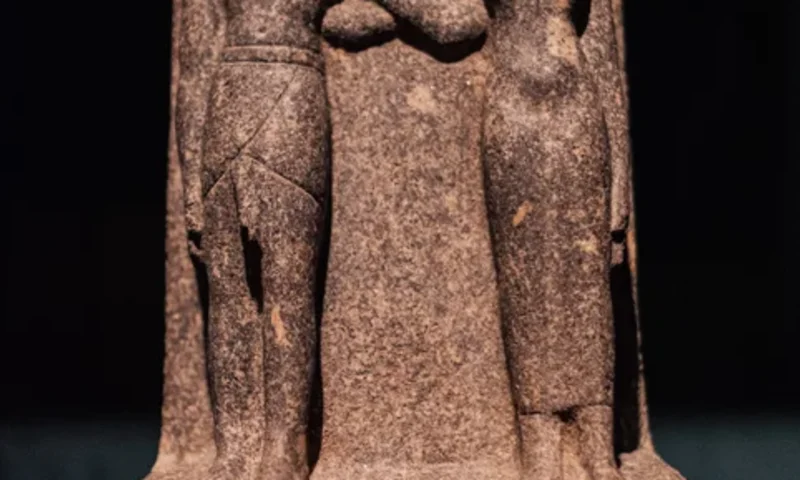
A statue of Thutmose III carved in greywacke, brought from the Temple of Karnak, dominates the ground floor gallery. Nearby, a relief of the same king carved in limestone is in good condition. Look out for the group figure depicting Amenhotep III protected by the crocodile god Sobek.
One quiet piece deserves special mention; it is a relief of Unas-ankh, taken from his tomb on the western bank, which is unusual in being one of the few examples of Old Kingdom art found at Thebes.
The Royal Mummies
Two pharaohs are on display in the extension of the museum: Ahmose I, founder of the 18th dynasty, and Ramesses I. Both are displayed unwrapped in dimly lit rooms. Some guides feel that the identification of the second mummy as Ramesses I is disputed.
The Wall of Akhenaten
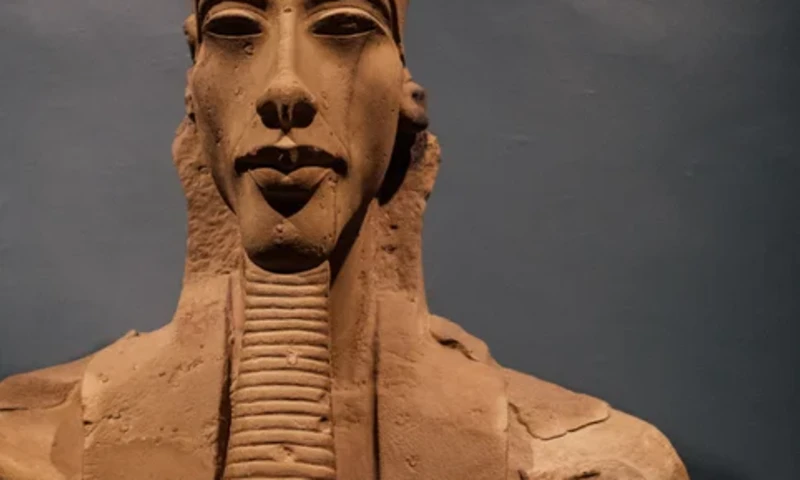
These small blocks of sandstone, known as talatat, were used to build a wall. They were removed from the temple built by Amenhotep IV at Karnak before he changed his name to Akhenaten and left Thebes. The scenes depict Akhenaten, Nefertiti, and temple life, unique for a temple of Aten. Together with the Luxor Temple statue cache, the Wall of Akhenaten is the only one telling us the most about a particular chapter in Egyptian history.
The Luxor Temple Statue Cache
In 1989, a cache of ceremonial statues was discovered under Luxor Temple. A small hall near the exit now showcases many of these. Towards the end of the room stands what is probably the most impressive piece: a nearly whole statue of Amenhotep III in a pleated kilt, made from quartzite, around 2.45 meters tall.
Grave goods connected to the tomb of Tutankhamun are also part of the display.
Which Nearby Sites Connect With the Collection?
A number of the Luxor Museum exhibits have direct links to other sights you can easily reach on foot or a short drive. The Luxor Temple is around a kilometer away, and the statue cache found under it is currently displayed within the museum.
Karnak, on the other hand, provided both the greywacke statue of Thutmose III and the talatat blocks of the Wall of Akhenaten. Seeing these museum pieces first gives a sense of story to the temple complex when you visit it.
The Unas-ankh relief came from a tomb on the western bank, and that area complements the sculpture on display. The reliefs found at Habu Temple, the mortuary temple of Ramesses III, are a natural continuation.
The royal tombs at the Valley of the Queens complete a day on the western side.
How Do You Reach the Museum and Plan Your Time?
The museum is situated on the Corniche el-Nil in the heart of Luxor. If you stay in the area of the waterfront or are already exploring the eastern side, visiting the museum is a convenient start or addition to your day. As the journey to Luxor Temple is short, combining the two fits into one day.
How much time do you need? Visitors who read all the plaques may stay close to three hours, whereas those who stick to the highlights can see everything in about one. An extra guide is worth it, especially in the section of the Akhenaten Wall, where the meaning of the blocks becomes clear once explained by a professional. Opening times and ticketing may vary by season, so double-check before you go.
If your dates coincide with the total eclipse of 2 August 2027, our eclipse Egypt guide for Luxor includes ideas for a Nile Valley trip, including a morning at the Luxor museum.
Travelers who prefer to have transfers and sightseeing organised in advance can browse Egypt travel packages covering Cairo, Luxor and Aswan.
How Does a Museum Stop Fit Into Your Luxor Itinerary?
Think of this as a briefing. An hour or two spent among statues introduces the names and faces that repeat themselves at every site, making interpretation of temples and tombs easier.
As another option on the western bank, the three terraces of the Hatshepsut mortuary temple at Deir el-Bahari are a good continuation.
Many travelers continue from Luxor to Aswan, and Nile river cruises call at Edfu and Kom Ombo on the way.
Luxor rewards extra days. One reviewer on our site put it simply: seeing sites on both sides of the Nile made him glad he had allowed more time.
FAQs
Where is the Luxor Museum located?
The museum is situated on the Nile Corniche (Corniche el-Nil) in central Luxor. It is within walking distance of the Luxor Temple, and many visitors see both in one day.
How long does a visit take?
Allow roughly one to three hours, depending on how thoroughly you read the displays. The size of the collection is small, making it easy to include between temple visits.
Which Luxor museum exhibits matter most?
Start with the greywacke statue of Thutmose III, the double statue of Amenhotep III and Sobek and the Wall of Akhenaten. Include the royal mummies of Ahmose I and Ramesses I, and the statues found under Luxor Temple in 1989.
Does the museum display royal mummies?
Yes, the extension completed in March 2004 includes an exhibit of the mummies of Ahmose I and Ramesses I, without their wrappings. Some guides comment that the identification of the second mummy is disputed.
Is the museum a good first stop in Luxor?
It is a good introduction to the area. The museum opened in 1975 and contains pieces from Theban sites, making it a helpful preparation before visiting Karnak, Luxor Temple, or the western bank.
