


Introduction
The crocodile museum at Kom Ombo, north of Aswan on the Nile, interprets the crocodile cult at the temple with mummified crocodiles, coffins, and eggs. Most travelers reach it along a Nile cruise or a road trip from Aswan, where the museum entrance is within walking distance of the temple. This article looks at what to expect when visiting the museum, its significance and location in Kom Ombo, and tips for including the museum in a wider Egypt vacation itinerary.
Ready to Add Kom Ombo to Your Egypt Itinerary? Pair the crocodile museum with a Nile cruise or a day trip from Aswan, and let our multi country tours take your Egypt trip beyond the Nile.
Table of content:
- What Is the Crocodile Museum and Where Does It Stand?
- Why Did Ancient Egyptians Honor Crocodiles at Kom Ombo?
- What Can You See at the Crocodile Museum Kom Ombo?
- What Else Is Worth Seeing on the Temple Grounds?
- How Do You Plan a Visit Alongside the Temple?
- How Does Kom Ombo Fit Into a Nile Cruise or Egypt Trip?
- FAQs
What Is the Crocodile Museum and Where Does It Stand?
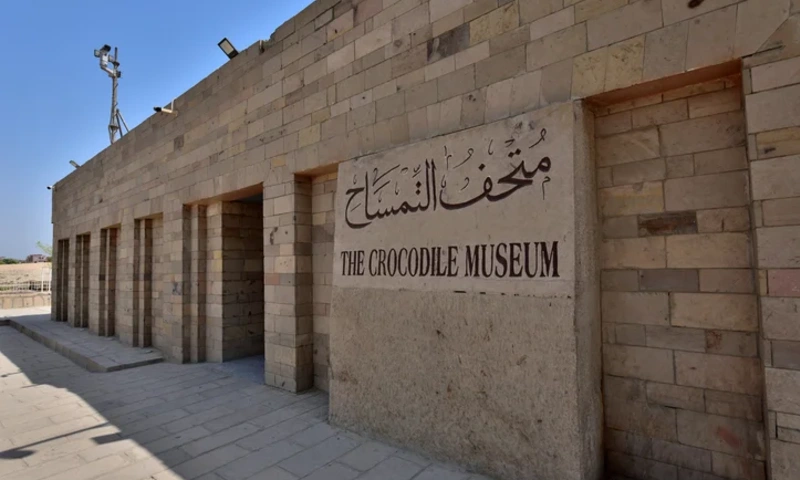
While Egypt had previously housed crocodiles in museums, 2012 saw the opening of the country’s first museum devoted exclusively to these animals. Located on the Ptolemaic temple grounds, the museum boasts views over the Nile and is a short walk away from the temple itself – making it a natural stop on a tour of ancient Kom Ombo. The wealth of material on display at the museum has partly been sourced from the surrounding area – mummified crocodiles unearthed around Aswan had previously been stored at Kom Ombo.
Kom Ombo lies roughly 40-50 kilometers north of Aswan, a fertile farming region overlooked by the river. Travelers on a Nile river cruises disembark at the temple, within walking distance of the museum.
The museum makes more sense in relation to the temple cult that gave it its reason for being. Our Kom Ombo Temple guide covers the double temple, dedicated to Sobek and Haroeris, the latter a form of Horus the Elder.
Why Did Ancient Egyptians Honor Crocodiles at Kom Ombo?
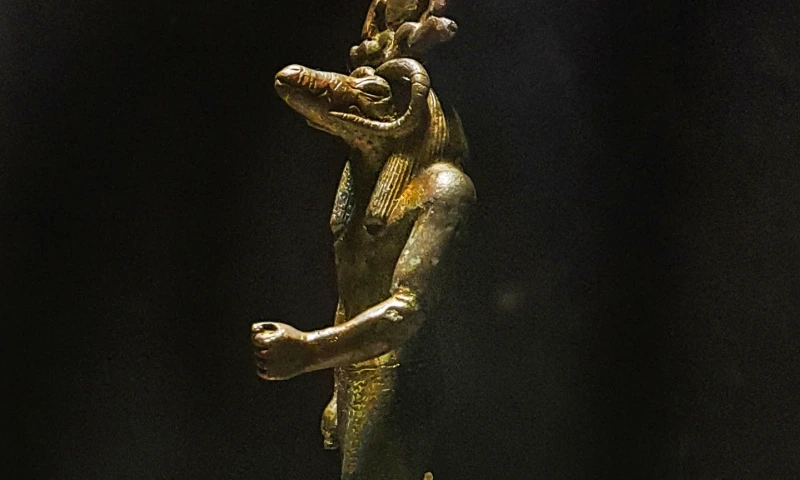
The god Sobek took the form of a crocodile or a man with a crocodile head in ancient Egyptian art. Ancient Egyptians believed that Sobek protected them from crocodile attacks, later becoming a symbol of the fertility of the Nile.
Kom Ombo was one of the most significant centers of crocodile worship. The crocodile sanctuary at the temple once had a small sacred lake for the animals. Though there are no longer any crocodiles at Kom Ombo, the lake is informative about local beliefs.
A sacred crocodile that died was not discarded but carefully mummified and buried with funerary items – a practice that led to the discovery of mummies by archaeologists around Aswan.
What Can You See at the Crocodile Museum Kom Ombo?
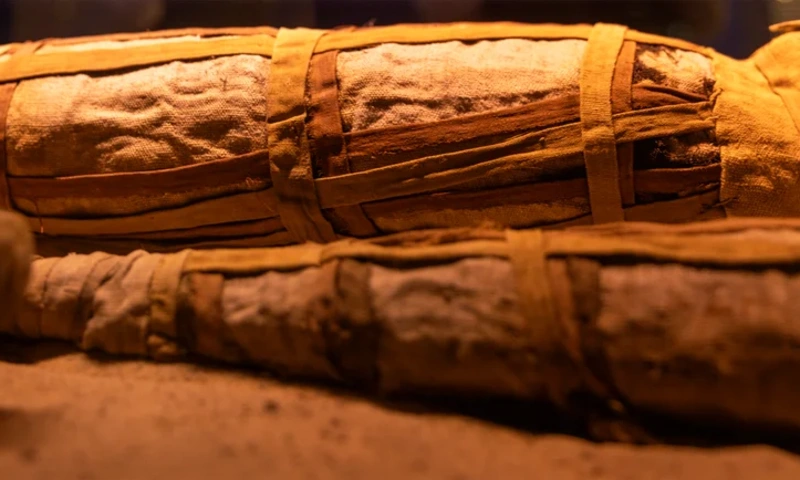
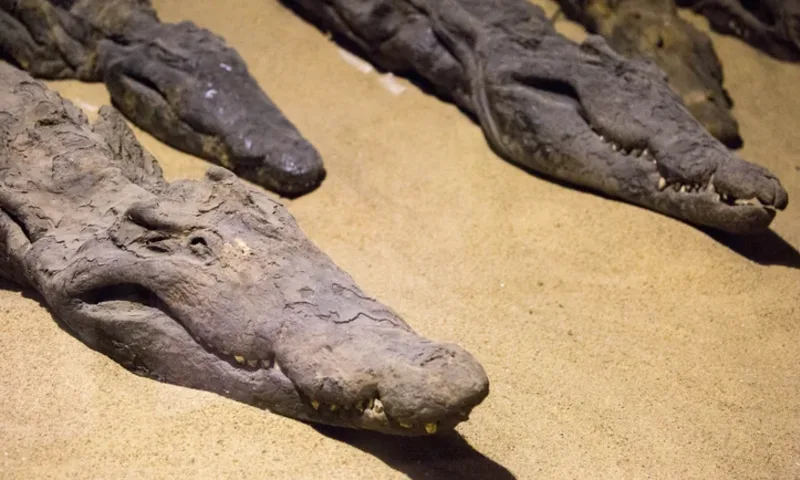
The museum’s main exhibition hall houses the centerpiece of its collection – 22 mummified crocodiles, selected from the approximately 40 unearthed around Aswan. The long, wrapped bodies are laid out on sand within a large glass display case, recreating the scene of the animals resting along the Nile.
The Mummified Crocodiles
The most obvious feature of the museum is the variety in size among the mummified animals on display. The largest of the 22 mummified crocodiles measures approximately 4.3 meters in length, while the shortest stretches roughly 2 meters from nose to tail. Take a closer look at the carefully wrapped and preserved bodies – the care taken with the mummification process reflects the ancient Egyptian reverence for the animals.
Coffins, Eggs and Statues
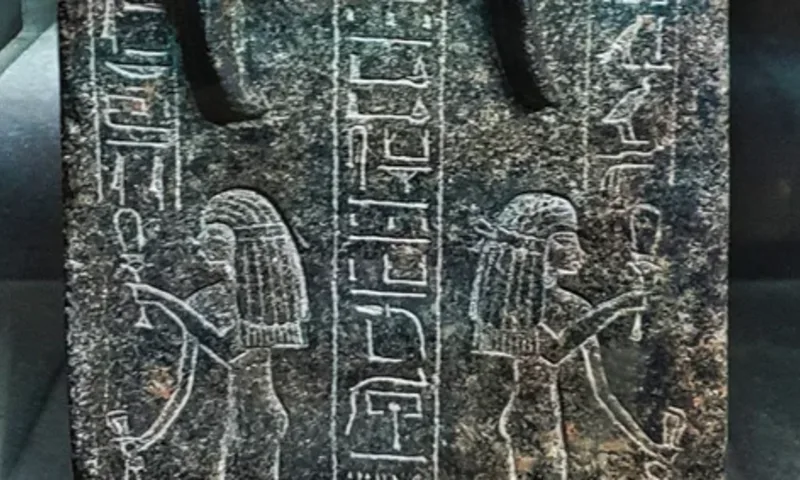
The main display case is complemented by a series of smaller exhibits. Look out for crocodile coffins – sarcophagi made from wood – and fetuses, eggs and the eyes, teeth and bodies of mummified crocodiles. Stelae and statues depict the god Sobek with a human body and crocodile head. At the museum’s opening in 2012, a statue of Sobek was transferred from the Luxor Museum, the subject of our Luxor Museum guide, which covers its statues and royal mummies.
A visit to the crocodile museum Kom Ombo is a brief experience, best approached at a relaxed pace. Start with the larger-than-life mummies, then move on to the smaller exhibits exploring the crocodile cult.
What Else Is Worth Seeing on the Temple Grounds?
The museum provides background on the meaning of the crocodile cult, while the temple structure itself interprets how the ancient Egyptians honored the animals. The two attractions make ideal companions on a Kom Ombo day trip.
Approach the temple through the courtyard and admire the hieroglyph-covered hypostyle hall. Look out for the two sanctuaries – one dedicated to Sobek and the other to Haroeris – standing side by side. A closer inspection reveals the similarities in the architecture of the two temples. Your guide can highlight these parallels, adding depth to a walk around the ruins. The reliefs carved into the columns and walls are also worth examining – while the whole complex was sacred, the ancient Egyptian connection between the gods and healing practices means that some evidence suggests the complex could have had a medical function. Ask your guide for more information.
How Do You Plan a Visit Alongside the Temple?
Tickets and Timing
Inclusive tickets cover both Kom Ombo Temple and the museum. As a result, one ticket purchase covers both attractions. Early morning and late afternoon visit times are recommended – not only are the lighting conditions favorable, but the main temple is busy during peak hours. Comfortable shoes are a must on the uneven paths and steps, and there are restaurants at the base of the temple for relaxing before returning to your boat. Allow a shorter, unhurried visit to the crocodile museum following your exploration of the main temple, since the two attractions are close to each other. Travelers staying in Aswan can combine Kom Ombo with a visit to the Aswan High Dam on a road trip.
Museum Rules to Know Before You Go
The museum has a few rules to protect its displays:
-
Do not touch the exhibits or cases
-
Smoking is not permitted
-
Audio players and musical instruments are not allowed
-
Flashlights and laser pointers are not permitted inside the museum
-
Private photography is allowed after paying the ticket fee for it
-
Umbrellas should be left in the museum’s cloakroom
-
Pets are not permitted, and children must be accompanied at all times
How Does Kom Ombo Fit Into a Nile Cruise or Egypt Trip?
Kom Ombo rarely appears as an attraction in its own right – on the Luxor-to-Aswan cruise it is the third major stop, following Esna and Edfu. Because of the proximity of the boat to the temple, the crocodile museum is a convenient addition to a stop at the temple. Travelers looking for a ready-made itinerary can consult our Egypt travel packages, which combine a Nile cruise with other key destinations.
Once in Aswan, a visit to the unfinished obelisk in Aswan makes a fitting companion to the Kom Ombo Temple. The colossal granite obelisk, abandoned in its ancient quarry, provides a different insight into ancient Egyptian craftsmanship.
FAQs
What does the museum at Kom Ombo display?
It displays mummified Nile crocodiles, crocodile coffins, eggs, fetuses, and statues of Sobek. The crocodile museum opened in 2012 and was Egypt’s first museum devoted entirely to crocodiles.
Where is the Kom Ombo museum located?
The crocodile museum Kom Ombo visitors look for stands on the temple grounds, roughly 40-50 kilometers north of Aswan. A short walk links it to the main temple structure.
How many mummified crocodiles can you see?
At its 2012 opening, the museum displayed 22 mummified crocodiles, selected from the approximately 40 unearthed around Aswan. They range from roughly 2 to 4.3 meters in length.
Is there one ticket for the temple and the museum?
Inclusive tickets allow entry to both Kom Ombo Temple and the museum. One purchase therefore covers the full stop.
When is the best time to visit?
Early morning and late afternoon work best, thanks to the quality of the light and fewer visitors at the temple entrance. Comfortable shoes help on the uneven stone paths.
