


Introduction
El Fayoum Egypt, is a fertile oasis located southwest of Cairo. The destination brings together a huge lake, a nature reserve, and a few ancient attractions all within a short drive. There are plenty of attractions, including fossils, waterfalls, pottery workshops, and Ptolemaic ruins.
Many tourists will include El Fayoum in their wider Egypt travel package to gain a more relaxed experience compared to the major museums and markets of Cairo. Below, we have outlined some of the main attractions and how they can fit into your itinerary.
Table of content:
Where Is El Fayoum Egypt Located?
El Fayoum is located southwest of Cairo. It takes around 1.5 to 2 hours to get there in a private car. Wadi El Hitan, the most remote of the main attractions, is around 150km from Cairo.
A full-day tour can be booked with a guide to include all of the main attractions. Many will choose to visit the National Museum of Egyptian Civilization in the morning to learn about the history of the Nile Valley.
There are public buses and service taxis available from Cairo to the city. This does not include Wadi El Rayan or Wadi El Hitan, so most will choose to book a tour.
Why Is It Called An Oasis?
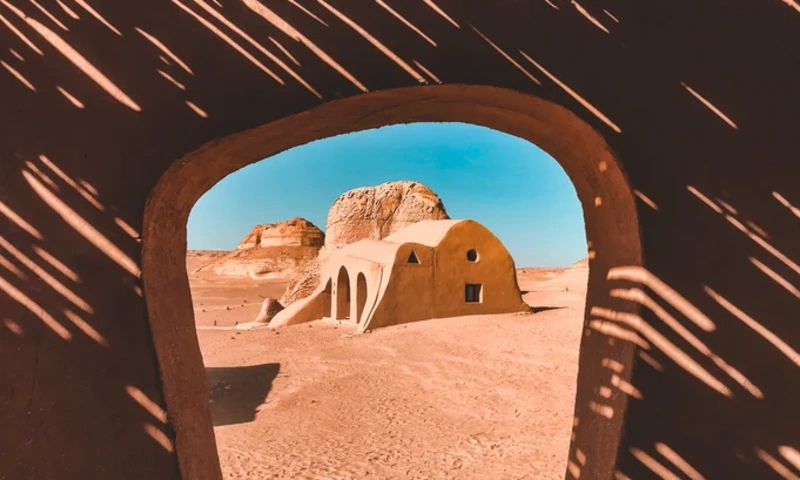
Many tourists will be confused by this title, as it appears more like a green farming area rather than a desert oasis with palms. The area is located in a depression in the Western Desert and has a canal system to bring water from the Nile to the farming areas. This has given the region many orchards, fields, and fishing villages.
The area has had a long history with water management. In ancient times, the area was home to Lake Moeris, which was over 1,200 square km. This played a part in the irrigation system of Egypt. The area has pyramids from the Middle Kingdom rulers. The old waterwheels in the city of Fayoum still remind us of this history.
Which Fayoum Attractions Suit Nature Lovers?
Most of a full day will be spent exploring the desert area, with each attraction offering a different landscape.
Wadi El Rayan – Waterfalls & Dunes
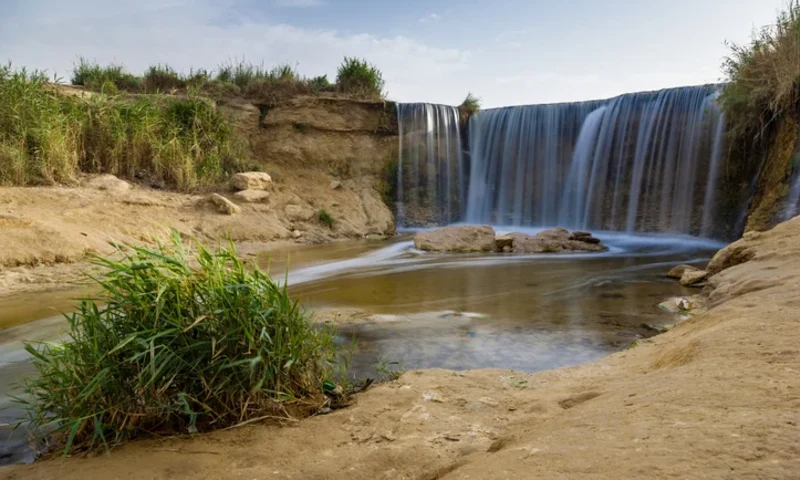
Wadi El Rayan is a protected area located in the southwest of the governorate. This area has lakes that were formed by a water diversion project in 1973. The waterfalls that connect the lakes are the most famous attraction.
This area has dunes, Mudawara Mountain, and Magic Lake. Sandboarding is a popular activity here. If you prefer to take your time, then hiking and birdwatching are great activities. If you love this type of landscape, then you may also enjoy the chalk rock formations in the White Desert Egypt.
Wadi El Hitan – Valley of the Whales
Wadi El Hitan is located within Wadi El Rayan and is a UNESCO site due to the fossils. There is a path through the open desert to view the fossilised skeletons. There is also a museum nearby to view the marine and land fossils.
This area requires a 4x4. Most will go with a guide and driver. Take your time to walk along the path as the skeletons are buried in the sand.
Lake Qarun – Bird Watching
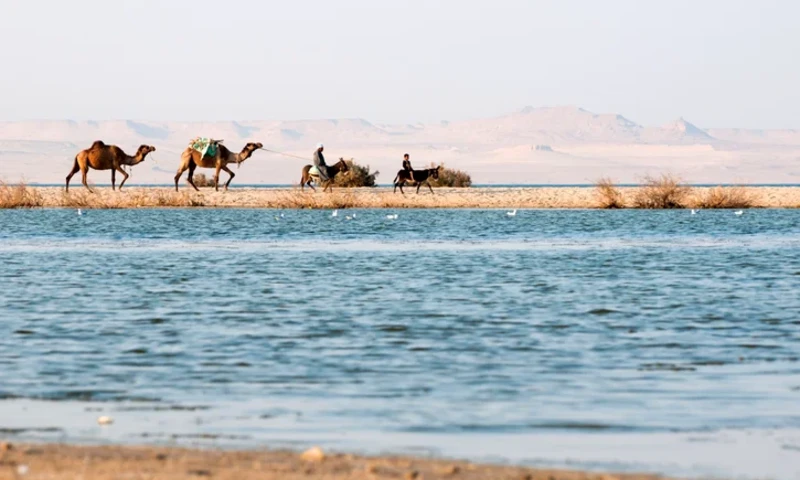
Lake Qarun is a remnant of the ancient Lake Moeris. The area is located on a migratory route between Europe and Africa, so many bird watchers will visit El Fayoum Egypt, in the winter months. Herons, flamingos, and many more species can be seen around the lake and Wadi El Rayan.
There is also plenty to do with fishing, water activities, and boat trips. If you like a more relaxed time out, then a felucca tour is a great option.
Which Ancient Fayoum Attractions Can You Visit?
The area has a rich history from the Middle Kingdom to the Greco-Roman period. This has given the area a depth to its attractions that you would not get from just the natural landscapes.
The area has a strong connection to Sobek, the crocodile god. The regional capital was named by the Greeks as Crocodilopolis. If you want to learn more about this, then read our guide to Kom Ombo Temple, which is shared by Sobek and Horus. There is also a Crocodile Museum nearby.
Qasr Qarun & Qasr El-Sagha
Qasr Qarun is a well-preserved Ptolemaic temple located near the western end of Lake Qarun. The exact date of construction is unknown. There are also ruins of ancient Dionysias nearby.
Qasr El-Sagha is an unfinished Middle Kingdom temple. From here you can enjoy views of the lake, dunes, and Qatrani Mountain.
Karanis & Pyramids of Fayoum
Karanis (or Kom Oshim) is a Greco-Roman town with a small on-site museum. Walking around the ruins will give you an insight into what life was like for those living in the area long after the Pharaohs.
The area has its Pharaohs chapter with the pyramids of Hawara, El Lahun and Meidum. There are other sites such as Madinat Madi, Dimeh Al Siba, and the Obelisk of Senusret, which can be included in longer itineraries for those who are really interested in the archaeology.
What Is Tunis Village Known For?
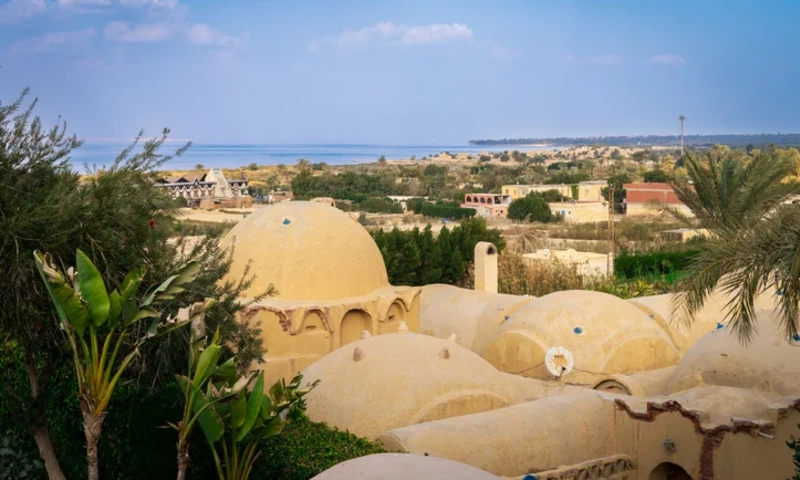
Tunis Village is located on a hill overlooking Lake Qarun. It is recognised as an arts village. The village was built by a Swiss potter named Evelyn Porret. The main attraction is the pottery workshops and galleries.
There are many crafts in the area. The village has glazed pottery, palm crafts, embroidery, and carpets.
While visiting the studios, there are plenty of activities to do. Bird watching, horse riding, and art trails can all be enjoyed. This makes a great stop between the desert reserves and ancient ruins.
Where Can You Stay and Eat Around Lake Qarun?
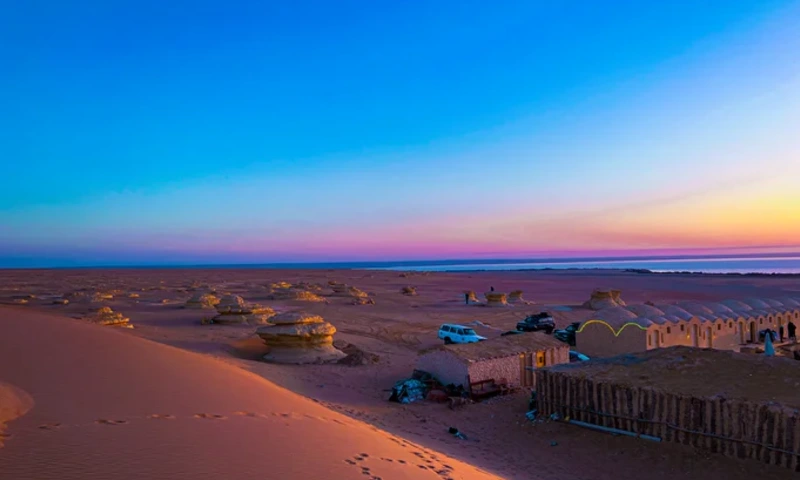
Most accommodation can be found on the northern side of the lake near Tunis Village. There are plenty of properties with views over the lake. There are hotels, eco-lodges, and glamping options in Wadi El Rayan with large tents and private outdoor jacuzzis.
There is also plenty of relaxed dining. There are restaurants on the lake in Tunis Village. Kom El Dikka is famous for its farm-to-table Egyptian cuisine. Set El-Beet focuses on traditional home-cooked food.
What Should You Know Before Visiting Fayoum?
Tunis Village, Lake Qarun, Wadi El Rayan, Mudawara Mountain, and Magic Lake can be reached in a standard car. Wadi El Hitan and the sites north of Lake Qarun, including the petrified forest, require a 4x4.
Lake Qarun and Wadi El Rayan are both national parks, so there are rules in place. A guided tour will make your day in El Fayoum Egypt, easy, as local drivers will know how to navigate the desert roads. Opening times for the archaeological sites can vary, so double-check with your tour operator.
Fayoum makes a great addition to your wider itinerary. Whether you are travelling along the river or across borders. Take a sail between the temples on one of our Nile River Cruises or combine Egypt with other destinations on our Egypt and Jordan Tour.
FAQs
Should I visit El Fayoum Egypt?
Yes! If you enjoy the desert landscape and off-the-beaten-track ancient sites, then this is a great place to visit. It has plenty of attractions, including waterfalls, fossils, a lake, and ruins, all in one area.
How far is it from Cairo?
It takes around 1.5 to 2 hours in a private car. Wadi El Hitan is around 150km from Cairo.
What is Wadi El Hitan famous for?
Wadi El Hitan (Valley of the Whales) is famous for the fossilised whale skeletons. It is located within Wadi El Rayan, and there is a museum nearby to view the marine and land fossils.
Can I visit Fayoum without a 4x4?
Tunis Village, Lake Qarun, Wadi El Rayan, Mudawara Mountain, and Magic Lake can all be visited in a standard car. Wadi El Hitan and the sites north of Lake Qarun require a 4x4.
What are the best Fayoum attractions for first-time visitors?
Most first-time visitors will visit the waterfalls in Wadi El Rayan, Wadi El Hitan, Lake Qarun, and Tunis Village. Qasr Qarun and Karanis are good if you want to see some ancient ruins.
