


Introduction
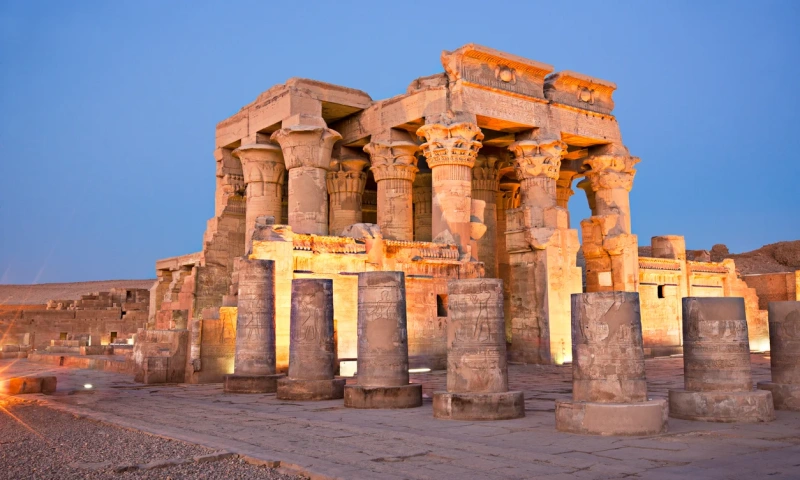
Kom Ombo Temple is a double sanctuary located on a bluff overlooking the Nile in Upper Egypt, north of Aswan. It is dedicated to the crocodile god Sobek and to Horus the Elder (also called Haroeris). Visitors tend to arrive by Nile cruise – it is the third major stop on the way from Luxor to Aswan – or by road as a day trip from Aswan. Dating mainly from the Ptolemaic period and completed under the Romans, this guide covers where to find it, what to see, and how to get there in detail.
Ready to Plan Your Kom Ombo Temple Visit? Select a travel option that suits your schedule – a Nile cruise or a day trip from Aswan – and let our multi country tours take your Egypt trip beyond the Nile.
Table of content:
- Where Is Kom Ombo Temple Located and How Do You Get There?
- What Are the Essential Kom Ombo Temple Facts?
- What Is the History Behind the Double Temple?
- What Can You See Inside the Temple Complex?
- When Is the Best Time to Visit and What Should You Know First?
- How Does Kom Ombo Fit Into a Nile Cruise or Egypt Trip?
- FAQs
Where Is Kom Ombo Temple Located and How Do You Get There?
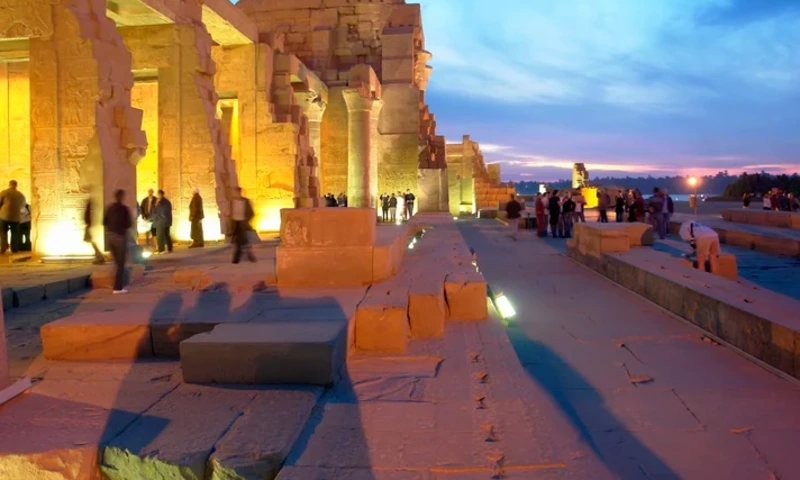
The temple is located in the town of Kom Ombo, around 40-50 kilometres north of Aswan. Fertile farmland and the river surround the city, which was an ancient trading centre. The best way to approach it is by water: when arriving by a Nile river cruise, the boat pulls up right alongside the temple, making for an easy walk from the dock to the entrance. Aswan residents also have the option of taking a short road trip to the temple, often combined with a visit to the Aswan High Dam in the same area.
What Are the Essential Kom Ombo Temple Facts?
Among the essential Kom Ombo temple facts, this double temple complex is unusual in that it is dedicated to two gods in one place of worship. The two sanctuaries – one for Sobek the crocodile god, the other for Haroeris, a form of Horus the Elder – stand alongside each other, and the layout of each is roughly repeated in the other. This temple complex is notable for the way the ancient Egyptians saw themselves as balanced, and the design reflects that philosophy. It was also a place of healing, and the inscriptions suggest that there may well have been a medical role here as well, even if the evidence is more open to interpretation.
What Is the History Behind the Double Temple?
The history of the site goes back to the Ptolemaic period, and the connection between the two gods is central to understanding the temple. Three questions can help set the stage for your own encounter with the double temple complex.
Who Built the Temple and When?
Most of the complex was built under the Ptolemies, and one inscription gives a date in the reign of Ptolemy VI, part of his extensive building programme. Work continued into the Roman period, and so the temple is considered to date mainly from the Ptolemaic period but to be completed under the Romans.
Why Was the Temple Dedicated to Two Gods?
Ancient Egyptians associated the site with balance, and the dedication to two gods reflects that. The two sanctuaries stand side by side, and the layout of each is almost mirrored in the other.
What Role Did Healing Play at the Site?
The complex is also associated with healing – some accounts go further and mention a medical role for the temple, although the evidence is open to interpretation. Ask your guide about what the surviving evidence suggests.
What Can You See Inside the Temple Complex?
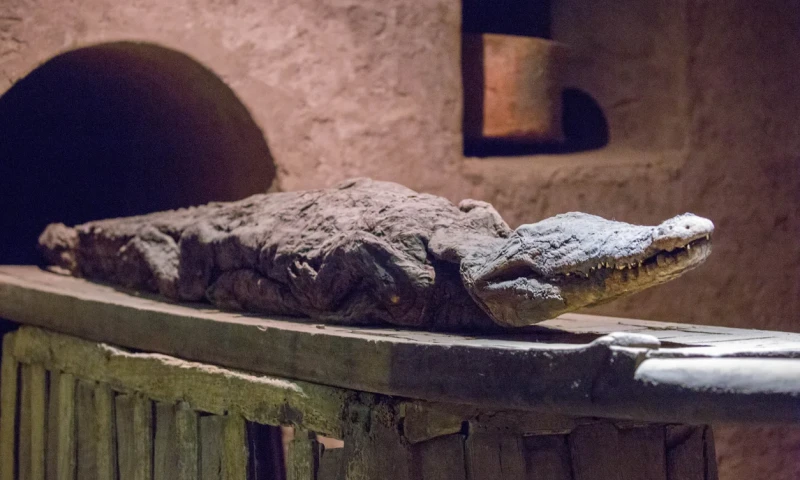
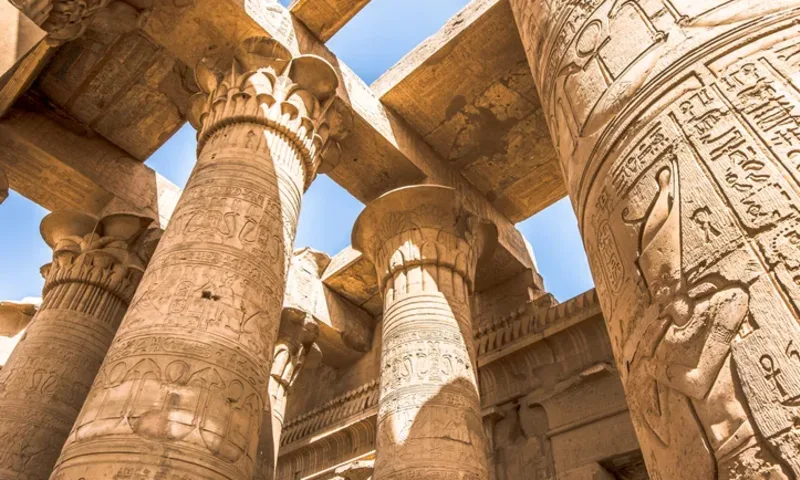
Walk in through the courtyard, and the hypostyle hall opens up before you; its columns are covered in hieroglyphs, and your guide can point out how the two parts of the temple reflect each other, so you can engage with the Kom Ombo temple layout rather than simply walking through it. Take time to examine the reliefs on the walls and columns – and if you enjoyed the carved battle scenes at Habu Temple in Luxor, the detail here is worth a close look. Inside the Sobek sanctuary, a small sacred lake once held the temple’s crocodiles; no crocodiles live there now, but the reason for its presence is an insight into local beliefs. On the grounds of the temple complex, the Crocodile Museum displays crocodile mummies, which provide background to the worship you have just seen, and is a short walk from the main structure.
When Is the Best Time to Visit and What Should You Know First?
Early morning and late afternoon are the best times to visit, for the quality of the light and because the main temple is busy during peak hours. Dress comfortably for walking on uneven stone paths and across steps – you will want to take your time, especially since the hall, sanctuaries, and museum each repay closer examination. Restaurants are located at the foot of the temple in case you want to relax before returning to your boat.
How Does Kom Ombo Fit Into a Nile Cruise or Egypt Trip?
Kom Ombo rarely appears on its own: on the Luxor to Aswan cruise, it comes after Esna and Edfu, making the journey part of the experience. It serves as a good contrast to Luxor’s West Bank, where the Hatshepsut mortuary temple represents a different phase of temple-building. Travelers who want a ready-made itinerary can see our Egypt travel packages, which combine Nile touring with other major destinations, but those who plan their own cruises can easily include Kom Ombo Temple in the ones they select.
FAQs
What is Kom Ombo Temple famous for?
It is famous for its dedication to two gods – Sobek the crocodile god and Haroeris, a form of Horus the Elder – and its unique layout, which roughly mirrors the two sanctuaries.
Where is Kom Ombo located?
It is in Upper Egypt, north of Aswan on the Nile and about 40-50 kilometres away. Nile cruises between Luxor and Aswan travel past the temple.
What are the main Kom Ombo temple facts to know before visiting?
The temple is dated mainly to the Ptolemaic period but was completed under the Romans, and it is dedicated to Sobek and to Haroeris. It has a hypostyle hall with hieroglyph-covered columns and a Crocodile Museum on its grounds.
What can you see at the Crocodile Museum?
The Crocodile Museum displays crocodile mummies and is located on the grounds of the temple, providing background to the worship there.
What is the best time to visit the temple?
The best times to visit are in the early morning or late afternoon, for the quality of the light and the reduced congestion at the entrance.
