


Introduction
You don't learn Egyptian mythology from a book, not really. You learn it standing in front of a wall that's been painted for three thousand years, or walking a stretch of stone that a procession of priests once walked along the Nile. The stories are everywhere here — carved into tombs, worked into columns, built right into how the temples are laid out. This guide covers the major gods, points you to the places where their stories are still visible, and throws in a few practical notes for anyone trying to build a trip around all of it.
Worth remembering: these were never museum pieces. They were working religious buildings. Priests carried out rituals every single day meant to hold the universe together, and each site belonged to a specific god or cluster of gods. Once you know even a little of the mythology, everything changes. To see these temples with that context, Egypt travel packages and find a trip that fits.
Table of content:
Who Were the Ancient Egyptian Gods and Goddesses?
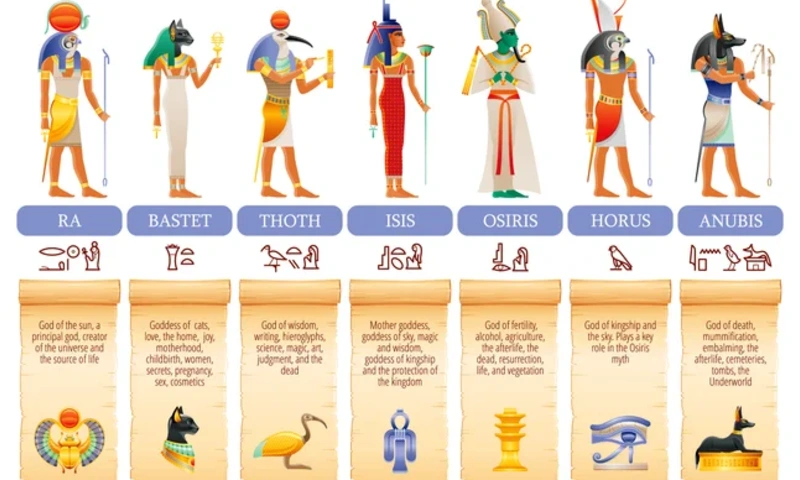
Ra came first; he was the sun god, and for most of Egyptian history, he was the most important figure in the entire pantheon. By day he crossed the sky in a solar boat. By night he went down into the underworld and fought the serpent Apep, using magic to claw his way back to dawn. A lot of what the Egyptians believed about death and rebirth traces back to that one daily cycle.
Then there's Osiris, and honestly this is the story that everything else circles back to. Set murdered his own brother Osiris — but Isis, his wife, managed to conceive a son with him before his body was fully gone. That son was Horus, and he grew up to avenge his father and claim the throne. Osiris ended up ruling the underworld. Isis became a protector, a healer, a figure of real magical power. And Horus became the template for kingship itself — every pharaoh was, in some sense, understood to be Horus on earth. Head to Abydos or Philae and you'll see Isis carved over and over, mourning, healing, protecting.
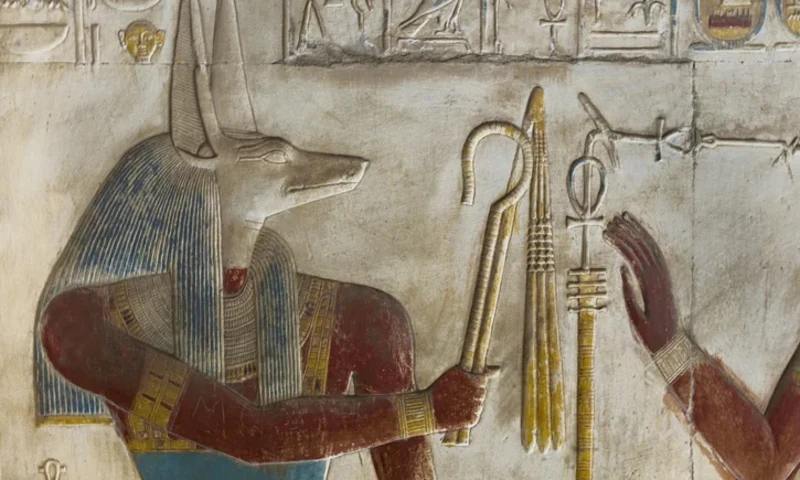
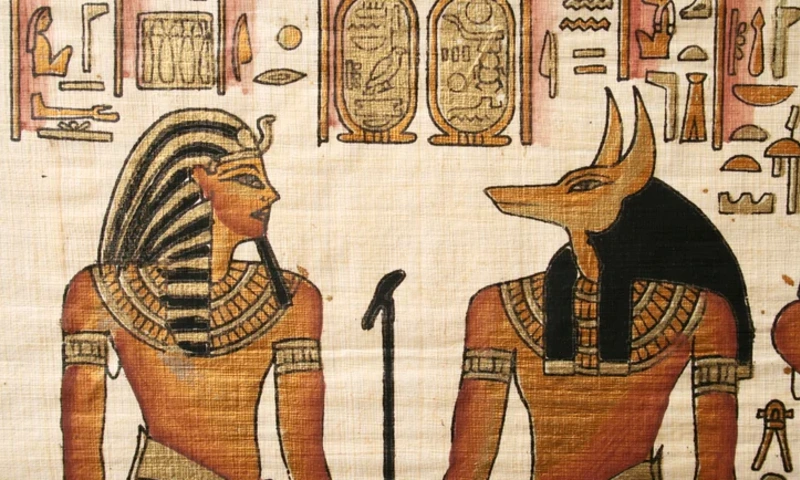
Anubis is the jackal-headed one, and he oversaw mummification and judgment. His most famous scene — you'll see it in tombs and on papyrus all across the country — shows him weighing a dead person's heart against a feather belonging to Maat, goddess of truth. Heart too heavy, and a monster called Ammit destroys it. Heart in balance, and the soul passes through to Osiris.
Hathor usually shows up as a cow, or a woman with cow's horns, and she covered love, music, motherhood — her temple at Dendera is one of the better-preserved ones you'll find. Sekhmet was her darker mirror image, a lioness who handled both war and healing, and at times the two were treated almost as one deity wearing different faces depending on what people needed from her.
And then Thoth and Maat, who round things out as the record-keepers of the universe. Thoth — ibis-headed, god of writing — wrote down the results of that heart-weighing scene. Maat wasn't just a goddess but a whole concept: the balance that kept both society and the cosmos from falling apart.
A Few Symbols to Watch For
Once you know what you're looking at, certain images start jumping out everywhere. The scarab beetle meant rebirth, tied to Khepri, a version of the sun god associated with morning. A falcon meant Horus and, by extension, kingship. The ibis and the baboon both belonged to Thoth. And the ankh, that loop-topped cross you'll see in basically every temple, shows up again and again being handed from a god to a pharaoh, a kind of visual shorthand for divine approval. Learn these and you can read a wall at a glance, no hieroglyphics required. To see these symbols in person, join one of our best Egypt tours and spot them for yourself.
Where to See Egyptian Mythology in Egypt?
Start with Karnak and Luxor. Karnak was added on for centuries by one pharaoh after another, and it's still the largest religious site standing anywhere on earth—built for Amun-Ra. A stretch away, connected by an avenue lined with sphinxes, sits Luxor Temple, which hosted the Opet Festival each year, a ritual that renewed a pharaoh's divine authority. Most travelers do both in a single day, and going with an Egyptologist genuinely changes the experience—a lot of what's on those walls doesn't mean much without someone explaining it.
Cross the river, and you hit the Valley of the Kings, where royal tombs cut into the rock are painted with scenes from the Book of the Dead and the Book of Gates. These aren't just pretty — they're functional. Instructions, basically, for getting a king safely through the underworld.
Further south, Philae — sacred to Isis — has a strange history: engineers cut it into more than 40,000 pieces and rebuilt it on Agilkia Island to save it from the rising waters behind the Aswan High Dam. And Abu Simbel was carved directly into a cliff face for Ramesses II, positioned with enough precision that sunlight reaches all the way into the inner sanctuary on two days each year, lighting up the statues inside.
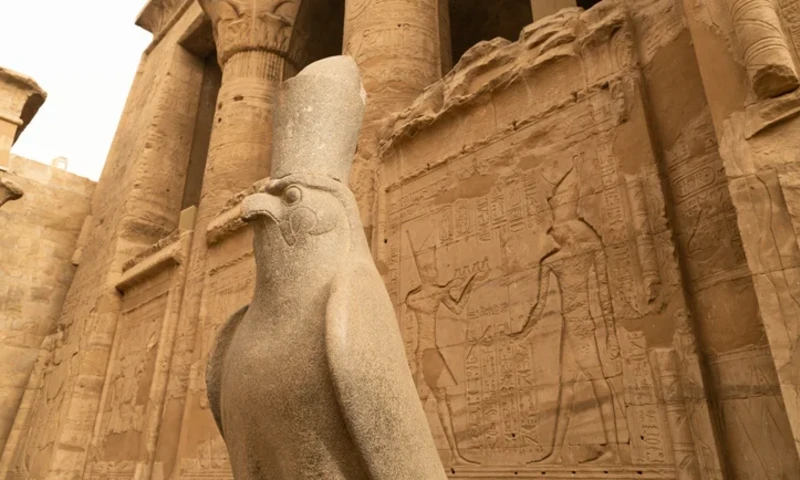
At Edfu, the Temple of Horus survived in unusually good shape, mostly because it spent centuries buried in sand before anyone dug it out. Its walls lay out the Horus and Set story in real detail. And Dendera, dedicated to Hathor, has that famous astronomical ceiling — stars and goddesses mapped across the sky.
Finally, Abydos, which was believed to hold Osiris's actual grave and drew pilgrims for centuries. The Temple of Seti I here has some of the best-preserved reliefs anywhere, plus the Abydos King List — a record of which pharaohs Seti considered legitimate rulers. If you want the Osiris story specifically, Abydos gives you more than the Isis-centered sites do.
What’s the Best Time to Visit Egypt's Mythology Sites?
These are open-air sites, so heat and crowds both matter more than people expect. Cooler months make walking through somewhere like Karnak or the Valley of the Kings a lot more bearable, and going during quieter stretches of the year gives you room to actually look at things instead of being swept along by a tour group. Whatever time of year you go, get there early. It's the one trick that works every single time.
What Should You Know When Planning a Mythology-Focused Trip to Egypt?
Nearly everything worth seeing sits along the Nile between Luxor and Aswan, which is exactly why a river cruise works so well here—you get from temple to temple without long overland drives. An Egyptologist is worth the money; plenty of these reliefs are meaningless without context. And again, mornings. If you want these places without the crowds, that's the trick. For more on building out a full itinerary, take a look at our Nile cruise guide.
FAQs
What's the single most important story in the mythology?
Osiris, Isis, and Horus—it's the one everything else connects back to, covering kingship, the afterlife, and the long fight between order and chaos.
Do I actually need a guide?
Not strictly, but an Egyptologist will catch things you'd otherwise miss — the weighing of the heart, the finer points of the Osiris myth, details that don't announce themselves on a plaque.
Which temples show the mythology off best?
Karnak, Luxor, Philae, Dendera, and Edfu each belong to different gods and hold some of the best religious art still standing in Egypt.
How long should I plan for?
Somewhere between four and seven days, it usually does it—Luxor, the Valley of the Kings, then south to Edfu, Kom Ombo, and Aswan, often as part of a Nile cruise.
What's the deal with the sacred animals?
Each one stood in for something—the falcon for kingship, the ibis for wisdom, the scarab for rebirth—and they show up constantly in temple carvings as a kind of visual code.
