


Introduction
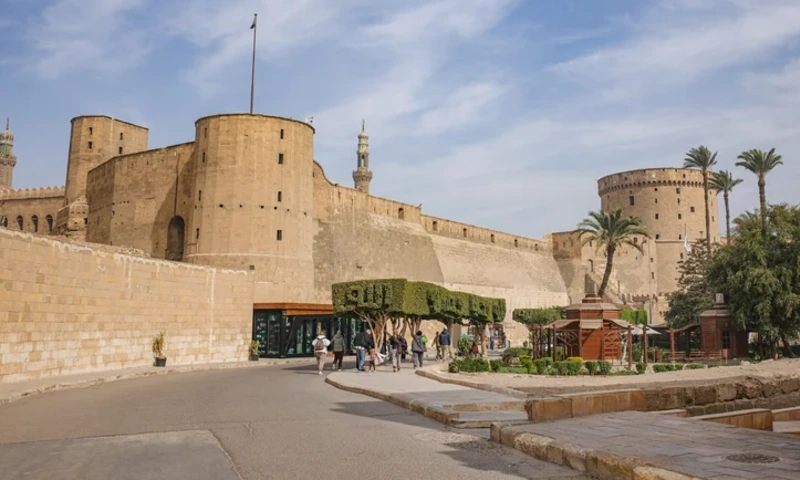
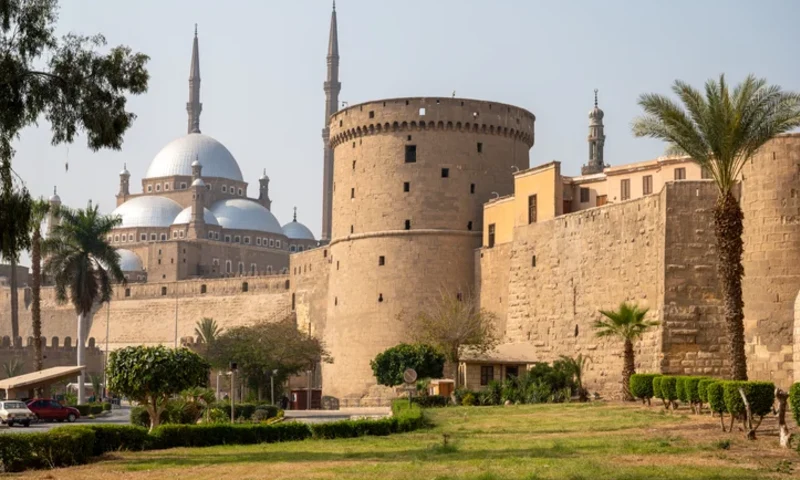
The Cairo Citadel is a medieval fortress located on a hill spur in the Muqattam hills. The walls, domes, and minarets of the fortress provide a memorable skyline for Islamic Cairo. Construction on the fortress began in 1176 by Saladin. The fortress has been expanded, and new features such as mosques, palaces, and gateways were added by later rulers, creating a small walled city.
The Alabaster Mosque is the highlight of the fortress, but there are many other interesting buildings to explore, including the original Mamluk mosque and Ottoman buildings. This guide will help you know who built the fortress, what you can find there and how it links to other places in Egypt.
If you want to add the Cairo Citadel to your travels, our team at OFT Travel can help you include it in your wider Egypt itinerary. Take a look at our Egypt travel packages to see how Cairo, the Nile, and more can all fit together.
Table of content:
What is the Citadel of Saladin?
The Citadel of Saladin was established in 1176 by Salah ad-Din (known as Saladin in the West). This was only a few years after the end of the Fatimid Caliphate and was built to help protect Cairo and the nearby city of Fustat, as well as to provide a secure place for the new government. Work on the original fortress continued until around 1183.
The location of the fortress helped provide protection. It is located on the Muqattam hills, meaning it sits high up above the old quarter. The minarets and domes can easily be seen.
Saladin wasn’t the only ruler to build a citadel to protect Egypt. The Qaitbay Citadel in Alexandria on the coast of the Mediterranean was built on top of an ancient lighthouse.
How did the Mamluk Sultans and Muhammad Ali Influence the Fortress?
Very little of the original construction by Saladin can be seen today, as every dynasty has had an impact on the fortress. The most extensive renovation was done by Sultan al-Nasir Muhammad in 1310-1341. This includes the royal mosque built in 1318.
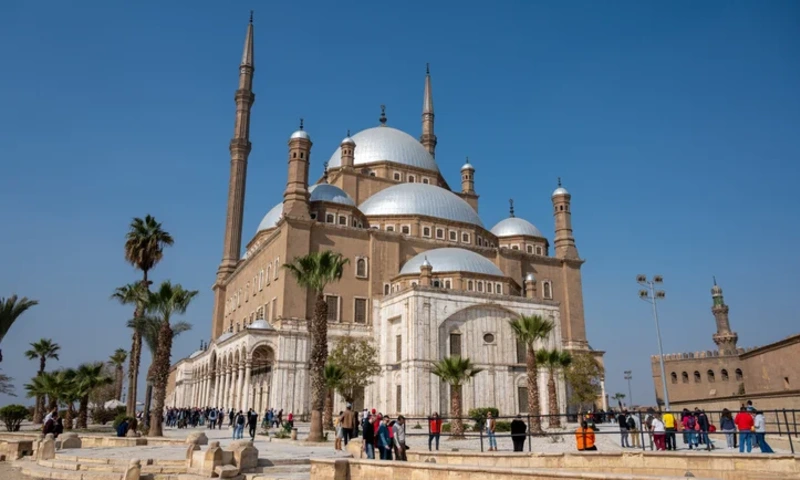
Muhammad Ali Pasha had a large influence on the fortress. He had the Al-Gawhara Palace built in 1814 and the great mosque between 1830-1848. For this reason, some people refer to the fortress as the Muhammad Ali Citadel.
The Citadel of Saladin acted as the government for Egypt for around seven centuries. However, Khedive Ismail moved the residence of the ruler to Abdeen Palace. Egypt has many layers of government. Our guide to the Egyptian pharaohs will help you understand how many dynasties have influenced Egypt long before Saladin.
What Can You See Inside the Cairo Citadel?
There are many buildings to see on the hill, including mosques, a palace, and several museums.
Mosque of Muhammad Ali
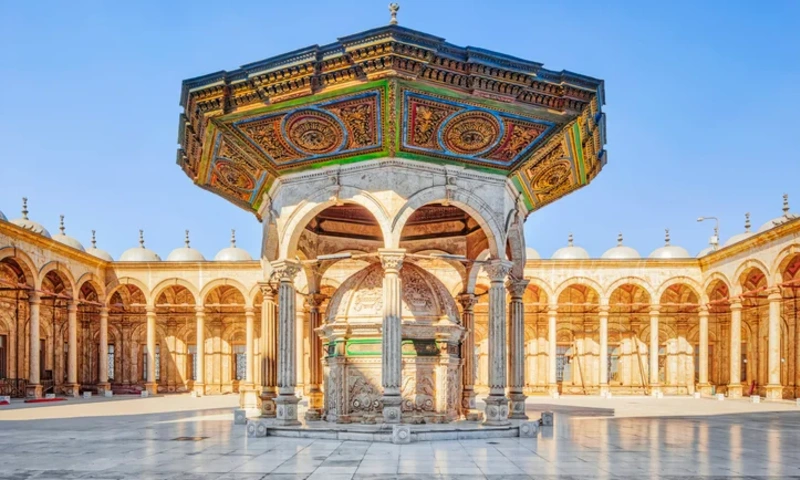
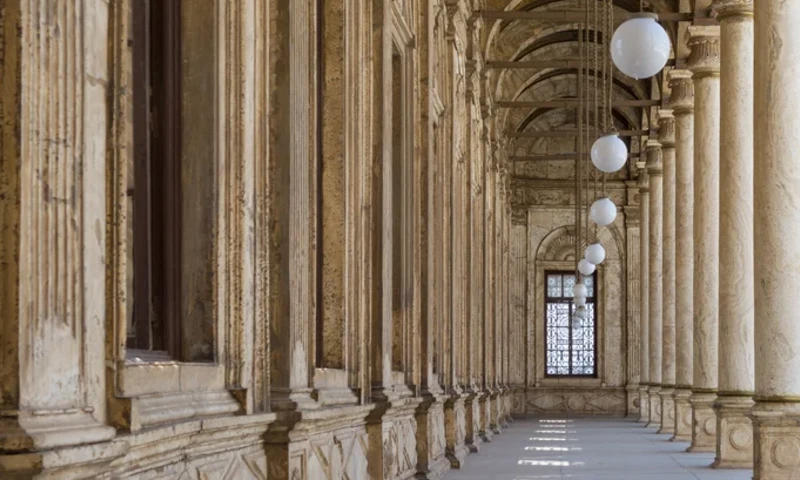
This is also known as the Alabaster Mosque. It is located on the top of the hill and can be seen from all over the city. It was built between 1830-1848 by Muhammad Ali Pasha. The alabaster colouring and thin pencil minarets stand out against the older stone buildings. It was built to commemorate his son, Tusun Pasha. Muhammad Ali is buried inside.
Mosque of al-Nasir Muhammad
The royal mosque was built in 1318 and renovated in 1335. This was where the Mamluk sultans would pray on Fridays. It is located opposite the courtyard leading to the Muhammad Ali Mosque. It has a more robust and military feel compared to the Ottoman building. It is one of the best-preserved medieval buildings.
Mosque of Sulayman Pasha
This was the first Ottoman-style mosque built in the fortress. It was built in the 16th century.
Al-Gawhara Palace & Museums
The Al-Gawhara Palace (Bijou Palace) can be found to the south of the Muhammad Ali Mosque. It was built in 1814 by Muhammad Ali. It now serves as both a palace and a museum. There are also several museums on the hill, including the National Military Museum, Police Museum, and Carriage Museum. This makes the Cairo Citadel a complex with many layers.
What Should You Know Before Visiting?
When visiting mosques in Egypt, you should wear modest clothing. Try to cover your shoulders and knees. You will need to take your shoes off at the entrance to the prayer hall. It is best to wear slip-on shoes.
The complex is large and spread over a big hill. It has many open courtyards, gates, and towers. Wear comfortable shoes. A guide is useful, as there are many buildings from different centuries and dynasties.
Cairo is often the first stop on a longer trip. From here, you can take a Nile river cruises to head further south to the temples of Luxor and Aswan.
How Does It Link to Other Attractions in Cairo?
The Citadel is part of the Historic Cairo UNESCO World Heritage Site. This means it fits in well with other attractions in the city. Many tourists visit the hill along with Al-Muizz Street and the Khan el-Khalili bazaar. There are many interesting buildings to see, including mosques, ornate doors, and busy workshops.
There are many museums to help you get an overview. The Egyptian Museum in Tahrir Square provides insight into the everyday lives, burials, and royal history of ancient Egypt. The National Museum of Egyptian Civilization in Fustat (the district Saladin was trying to protect) displays the royal mummies.
Which Day Trips Go Well with the Historic Parts of Cairo?
Saqqara provides insight into how Egyptians built long before the Middle Ages. The ancient burial ground of Memphis has many interesting sites, including the Step Pyramid of Djoser, the Pyramid of Unas, decorated tombs, and the Serapeum.
If you want a change of scenery, our guide to El Fayoum will help you. This area is easily reachable and has many interesting things to do, including the Wadi El Rayan waterfalls, Lake Qarun, Tunis Village pottery, and ancient temples and pyramids.
FAQs
Why is the Cairo Citadel famous?
The Cairo Citadel is famous because it is a medieval fortress that Saladin began to build in 1176. The Mosque of Muhammad Ali on top of the hill adds to its fame. Along with the Al-Gawhara Palace and several museums, it offers great views from the top of the hill.
Is the Citadel of Saladin the same as the Muhammad Ali Citadel?
Yes! The Citadel of Saladin is also referred to as the Muhammad Ali Citadel. This is because Saladin established the fortress, but Muhammad Ali added his palace and mosque. Some tourists refer to it as the Muhammad Ali Citadel, as the Alabaster Mosque is the most well-known landmark.
Who built the fortress and when?
Saladin began construction in 1176. The original fortress was built until around 1183. In the early 14th century, al-Nasir Muhammad renovated the fortress. Muhammad Ali added his palace and mosque in the 19th century.
What can you see inside?
The main buildings to see are the Mosque of Muhammad Ali, the Mosque of al-Nasir Muhammad, the Mosque of Sulayman Pasha, and Al-Gawhara Palace. There are also several museums to see, including the National Military Museum, Police Museum, and Carriage Museum.
Can you see the city from the top?
Yes! The fortress is located on the Muqattam hills. This means you can see the minarets and domes of the old quarter from the top. This is one of the reasons it helps tourists understand how the city is set out.
