


Introduction
The Egyptian Pharaohs ruled for around three thousand years and left behind some amazing pieces of history. You can still see the pyramids, temples, and tombs of the Egyptian Pharaohs along the Nile, all relating back to the King who built them or extended them and/or was buried in them. This guide will help you understand the most important Pharaohs, their roles, and where to see them best in Giza, Luxor, Aswan, and Cairo.
Visiting the corridors of a Pyramid or Royal Tomb will give you a real insight into the Egyptian Pharaohs. See how OFT travel can connect Egypt to neighbouring destinations with multi-country tours.
Table of content:
Who Were the Egyptian Pharaohs?
The word ‘Pharaoh’ can be translated to mean ‘great house’ in Egyptian. It originally referred to the palace of the king but has since become synonymous with the king. Historians split Egyptian history into Dynasties, thanks to the work of the priest Manetho, who divided the kings into 30 ruling families.
Traditionally, it is believed that Narmer united Upper and Lower Egypt around 3100 BCE. From here, the Pharaohs continued until Cleopatra VII. Each era has left behind different monuments, for example, the pyramids of the Old Kingdom, rock-cut tombs, and large temples of the New Kingdom.
Seeing these monuments in order will help you understand the timeline. OFT Travel offers Egypt tour packages that include multi-stop itineraries.
What Did an Ancient Egyptian Ruler Do?
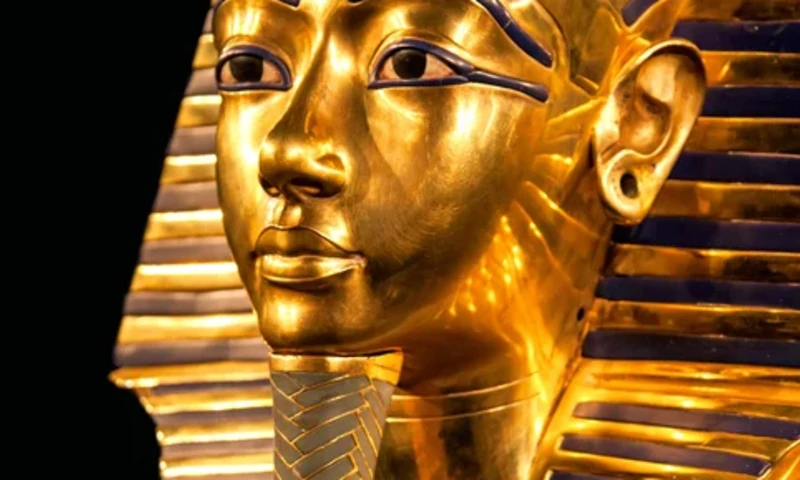
An ancient Egyptian ruler had many roles. The Pharaoh would be the leader of the state, head of the army, and a mediator between the people and the gods. The Egyptian people believed that the Pharaoh would maintain ‘ma’at’ (order and balance). This would affect the planning of the monuments.
The second role would be preparing the Pharaoh for the afterlife. Temples would be built to honour the gods, but the Pharaoh’s tomb would be built to prepare them for the afterlife. Objects would be placed inside to help them. In the National Museum of Egyptian Civilization in Cairo, you can see royal mummies in the Royal Mummies Hall.
Who Were the Most Influential Pharaohs in Ancient Egypt?
Khufu and the Great Pyramid
Khufu was a king of the Fourth Dynasty. He ordered the building of the Great Pyramid in Giza. This is the biggest of the three main pyramids on the plateau. The pyramids of Khafre and Menkaure can also be seen.
Hatshepsut and Thutmose III
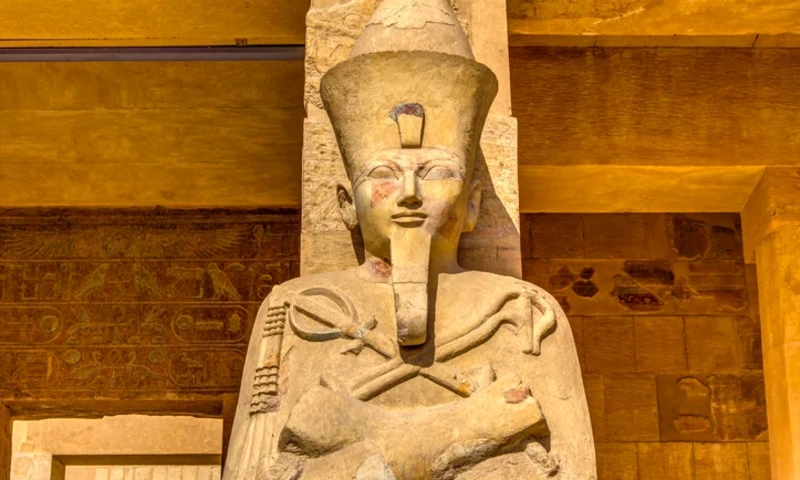
Hatshepsut was one of the few female Pharaohs during the Eighteenth Dynasty. Her temple can be seen at Deir el-Bahari on the West Bank of Luxor. Thutmose III was her co-ruler and successor. He went on campaigns.
Her name can also be seen in Aswan. The unfinished obelisk is a huge monument made from granite. This was left unfinished in the ancient quarry and is often associated with her reign. It shows how these monuments were carved directly from the rock.
Akhenaten and Tutankhamun
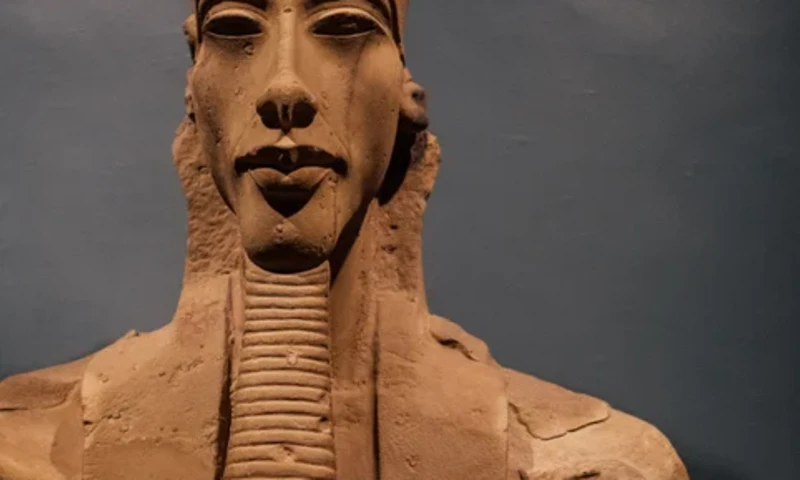
Akhenaten changed the way the Pharaoh would worship. He changed the worship to centre around the sun disk (Aten). Tutankhamun was a later Pharaoh who came to the throne as a child. His tomb in the Valley of the Kings was discovered by Howard Carter in 1922. It was found mostly intact.
Ramesses II and Nefertari
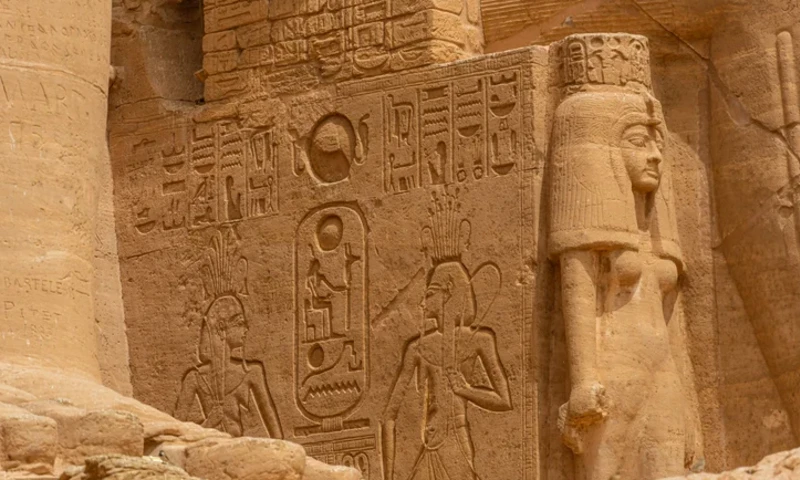
Ramesses II ruled for over 6 decades and left behind many monuments. Two of these are the rock-cut temples in Abu Simbel. The smaller one honours his main queen Nefertari. Her painted tomb can be seen in the Valley of the Queens close to Luxor.
Cleopatra VII
Cleopatra VII was the last active Pharaoh of the Ptolemaic Dynasty. She died in 30 BCE, and Egypt became a Roman Province.
Where Were the Pharaohs Buried?
The way they were buried changed over time. During the Old Kingdom, the Pharaohs would be buried in Pyramids. The most well-known are the ones in Giza. Each Pyramid would be in a complex with temples.
During the New Kingdom, the Pharaohs would be buried in rock-cut tombs in the Valley of the Kings on the West Bank of Luxor. Their Mortuary Temple would be in a separate area closer to the Nile. For example, Hatshepsut’s Mortuary Temple in Deir el-Bahari. Painted scenes and writings would be on the tomb walls to help the Pharaoh with the afterlife.
The Pharaoh would often start building their tomb soon after becoming king. Queens and royal children would be buried in a separate valley close by, the Valley of the Queens.
Where Can You See the Legacy of the Pharaohs in Egypt?
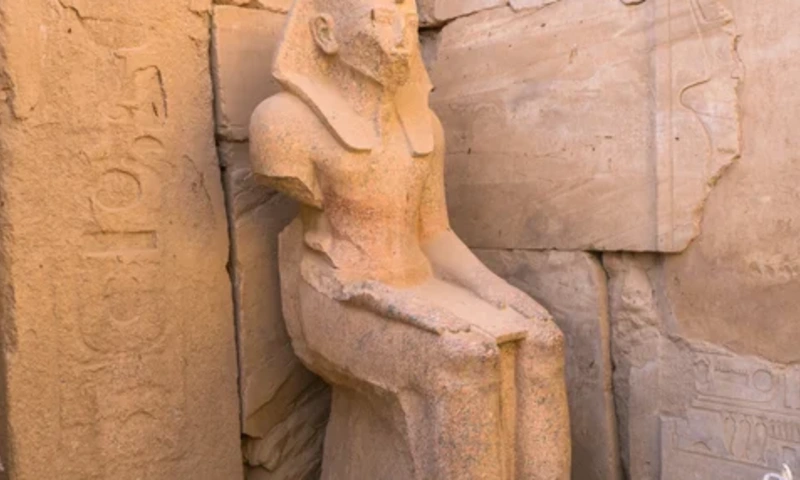
There are many Pharaoh sites in Egypt along the Nile from Giza to Abu Simbel.
Giza and Cairo
The Giza Plateau contains the Pyramids and the Great Sphinx. The museum in Cairo will give you context for these monuments.
Luxor, West Bank and Museum
Luxor has many Pharaoh sites. The Valley of the Kings on the West Bank contains the tombs of the New Kingdom Pharaohs, including Tutankhamun. The Temple of Hatshepsut can be seen in Deir el-Bahari.
The Luxor Museum on the Nile Corniche contains statues, royal mummies and the Wall of Akhenaten. This is a great place to get some context.
Aswan, Abu Simbel and the Nile
If you are travelling on a cruise from Luxor to Aswan, you will see many temples such as Edfu and Kom Ombo. These were built during the Ptolemies, the dynasty Cleopatra was part of. If you prefer to travel by boat between these sites, take a look at OFT Travel’s Nile River Cruises.
Abu Simbel is further down the river. The Great Temple is guarded by huge statues of Ramesses II. The whole complex was moved to higher ground in the 1960s due to building the Aswan High Dam.
FAQs
Who Were the Most Famous Egyptian Pharaohs?
Some of the most famous Pharaohs are Tutankhamun and Ramesses II. Tutankhamun is well known for his mostly intact tomb, discovered in 1922. Ramesses II is well known for his long reign and his monuments such as Abu Simbel.
Was Every Ancient Egyptian Ruler Called a Pharaoh?
The word Pharaoh used to mean palace but became commonly used during the New Kingdom. Previous texts will have other names for the king, but today it refers to all the Kings.
Where Can I See the Tombs of the Pharaohs?
The Valley of the Kings and Valley of the Queens on the West Bank of Luxor contain tombs of the New Kingdom Pharaohs. The Pyramids in Giza are older and were royal tombs during the Old Kingdom.
Which Museums Have Royal Artefacts and Mummies?
The Luxor Museum on the Nile Corniche has statues, royal mummies, and the Wall of Akhenaten. The National Museum of Egyptian Civilization in Cairo has a Royal Mummies Hall.
Why Did the Pharaohs Build Pyramids and Tombs?
The tombs would prepare the Pharaoh for the afterlife. Objects would be placed inside to help them. The Pyramids in Giza were royal tombs. Later Pharaohs would choose to be buried in rock-cut tombs in the Valley of the Kings.
