


Introduction
Overview
Siwa sits closer to Libya than to Cairo, and honestly, you feel that isolation the moment you arrive. The town belongs to the Siwans, a Berber community with their own language, Siwi, and a way of life that's held its shape better than most places this close to modern tourism. Palm groves wrap around the town. Salt lakes glint just past them. Springs bubble up here and there among the trees, and old temple ruins sit on the rock outcrops above, catching the last light every evening. You don't get here by accident—it's a long haul through open desert from either Cairo or the coastal town of Marsa Matruh—and most people who make the trip stay two to four days once they've arrived. Nothing about Siwa moves fast. That's sort of the point.
Table of content:
- What Makes Siwa Oasis Worth Visiting?
- Getting to Siwa Oasis and Where to Stay
- When Is the Best Time to Visit Siwa Oasis?
- What Is Siwa's Berber Culture Like?
- What Are the Best Things to Do in Siwa Oasis?
- Where Does Siwa Oasis Fit Into a Wider Egypt Itinerary?
- Practical Information for Visiting Siwa Oasis
- FAQs
What Makes Siwa Oasis Worth Visiting?
-
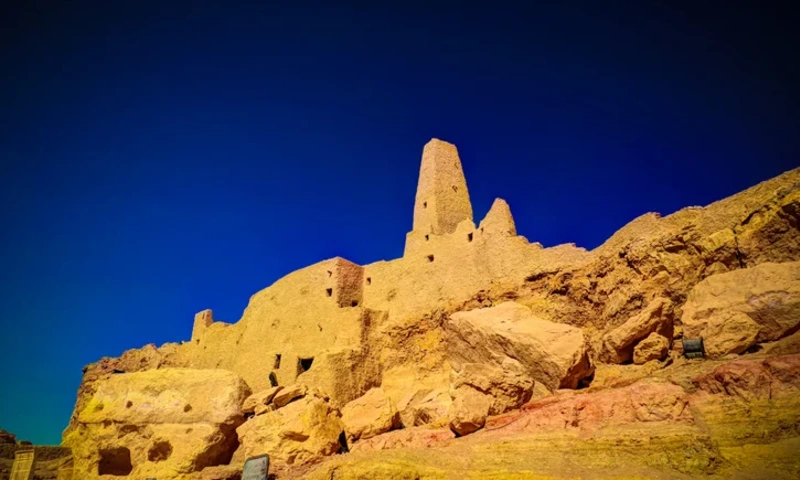
The Temple of the Oracle, reportedly visited by Alexander the Great in 331 BCE
-
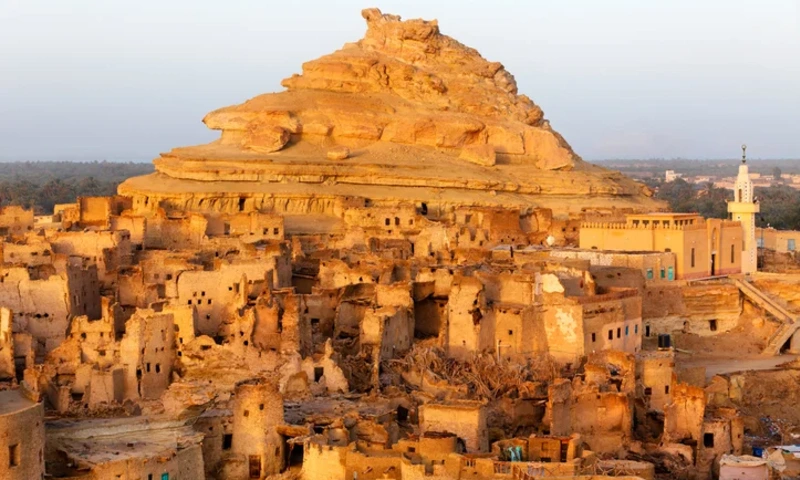
Shali Fortress—an entire old town built from salt, mud, and clay
-
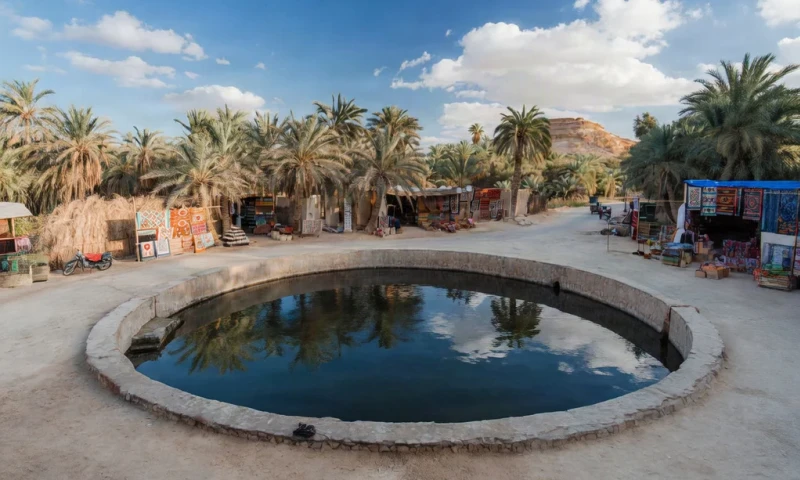
Springs like Cleopatra Spring and the pools out at Fatnas Island
-
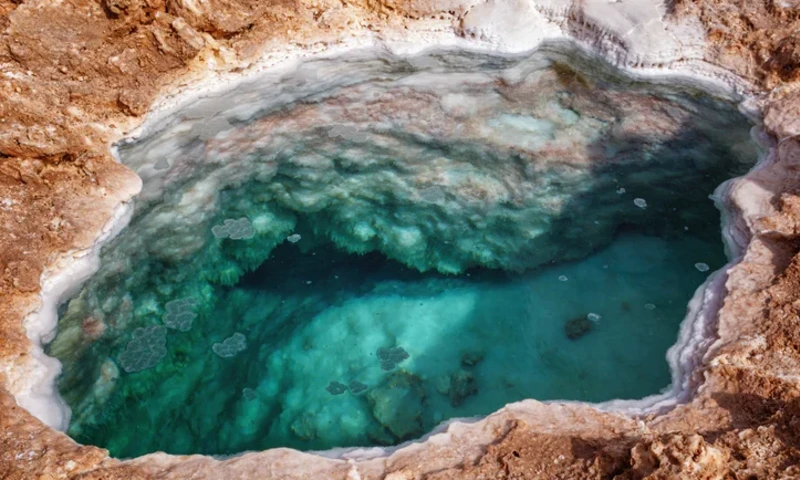
Salt lakes so mineral-dense you barely have to try to float
-
The Great Sand Sea, right at the oasis's doorstep, for 4x4 trips and sandboarding
-
A Berber culture, language, and craft tradition found almost nowhere else in Egypt
-
A pace that's noticeably slower than Cairo, Luxor, or the Red Sea resorts
Getting to Siwa Oasis and Where to Stay
There's a small airport—Siwa Airport, handling domestic flights from Cairo—but in practice, most travelers still come by bus. No train line runs out here. So it's a coach, or a private transfer, grinding through desert roads for the final stretch. Once you're actually in town, taxis and hired cars cover most trips, and a bicycle works fine if you're not in a hurry.
Where you sleep is your own decision. Guesthouses fill the town center, simple and unfussy. Further out, eco-lodges are built the traditional way, in kershef — salt rock, mud, palm wood — and a few of these sit closer to the dunes or the springs, handy if you're planning an early start.
When Is the Best Time to Visit Siwa Oasis?
Cooler months make walking around the ruins, or out into the dunes, a lot more bearable. Even then, desert nights drop fast and cold, so don't leave the warm layers at home just because the days feel mild. Summer's doable too, if you shift your rhythm—mornings and evenings for sightseeing, springs reserved for the brutal middle hours. It almost never rains here. And the evening sky, once the heat's finally broken, might be the best hour Siwa has to offer.
What Is Siwa's Berber Culture Like?
Siwans aren't ethnically or linguistically Arab, despite living in Egypt—they trace back to North Africa's Berber peoples, and Siwi, their language, doesn't really connect to Arabic at all. Family still runs deep here, in ways you'll pick up on within a day or two. Old customs around dress, hospitality, and craft—they haven't been pushed aside by tourism so much as folded around it. Silverwork with tight geometric patterns, baskets woven from palm fronds, and pottery shaped by hand: this stuff still supports actual households, sold out of small workshops rather than big tourist markets. Strike up a conversation with a shopkeeper, and you'll probably learn more in ten minutes than any plaque at a ruin will tell you.
What Are the Best Things to Do in Siwa Oasis?
Visit the Temple of the Oracle
Just outside central Siwa, in a spot called Aghurmi, the Temple of the Oracle still stands—or what's left of it. It was a cult center for Amun, drawing pilgrims through the Greek and Roman eras, and its biggest claim to fame is a visit from Alexander the Great himself in 331 BCE, who reportedly came all this way just to consult the oracle. Time hasn't been gentle with the structure, but the hilltop setting still hands you a wide view over the palms and the town below. The nearby Temple of Umm Ubayda adds a bit more weight to the idea that Siwa was, once, a genuine religious hub.
Walk Through Shali Fortress
Shali was old Siwa, full stop. Builders raised it out of kershef—that same salt, mud, and clay mix—which gives the walls their pale, almost sculpted look. A bad rainy stretch in the twentieth century took down parts of it, but enough survives that you can still climb through the narrow passageways and get up high for a view toward the dunes.
Swim in Siwa's Natural Springs
Freshwater surfaces all over this oasis, and a handful of spots have become local favorites for swimming. Cleopatra Spring gets mentioned most—clear water, used for both crops and cooling off. Fatnas Island is quieter, a spring pool reached by a causeway over a saltwater lake, palm trees leaning in around it. It's less a midday stop, more a place to end up right as the sun starts dropping.
Float in the Salt Lakes
The salt concentration in these lakes is high enough that staying afloat takes almost no effort—think Dead Sea, not a swimming pool. White salt crust against turquoise water, with nothing but desert stretching out behind it. There's not much else in Egypt that looks like this, and a lake stop pairs naturally with a spring visit on the same afternoon.
Explore the Great Sand Sea
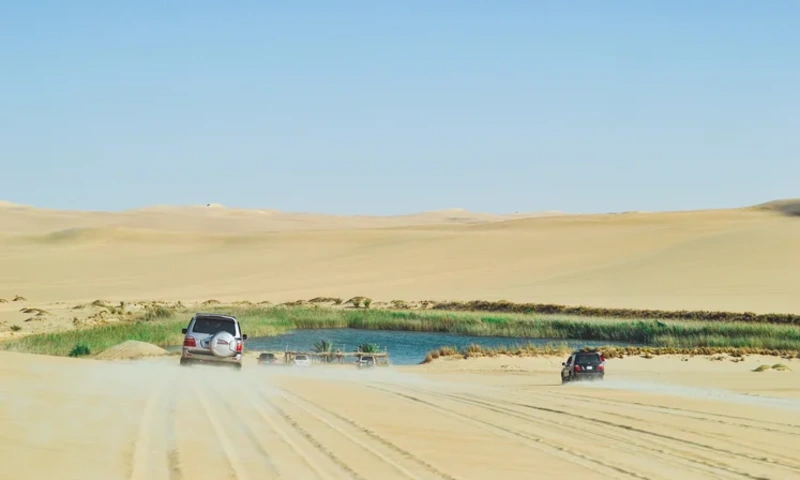
Walk past the edge of the palm groves, and the Great Sand Sea just opens up—dunes as far as you can see. Local operators run 4x4 trips out here, usually with sandboarding thrown in, plus a stop at a hot spring like Bir Wahed and a sunset lookout over the sand. Some trips stretch into an overnight camp if you've got the time and don't mind sleeping under a genuinely dark sky.
Explore the Mountain of the Dead
Jebel al-Mawta—the Mountain of the Dead—rises just outside town, riddled with rock-cut tombs. The paintings inside are rougher than what you'd find in the Valley of the King. But there's something about seeing burial sites this unpolished that feels more direct, less curated for a crowd.
Where Does Siwa Oasis Fit Into a Wider Egypt Itinerary?
Given where it sits, Siwa makes more sense as an add-on to a Marsa Matruh or northern-coast trip than as a stop on the usual Cairo-Luxor-Aswan run. Coming from Cairo, most people block out a dedicated multi-day detour. Coming from the coast, it slots in more naturally as a side trip before heading back toward Alexandria. Either way, you're burning a full day just getting there, so it rarely makes sense to squeeze Siwa into a single overnight—most itineraries pair it with at least one other Western Desert stop. Our guide to Egypt's Western Desert oases goes into how Siwa connects with what's nearby, if you're mapping out a longer route.
Practical Information for Visiting Siwa Oasis
Getting here isn't quick. The Cairo bus runs long, and even coming from Marsa Matruh, it is planned for several hours of desert road. Pack for modesty as much as for heat—Siwa's culture is conservative, and that matters more at the temples and historic sites than it does back at your lodge. And carry cash. Card machines are still the exception here, not the rule, outside the bigger guesthouses.
FAQs
What is Siwa Oasis known for?
Mostly the Temple of the Oracle, the Berber culture and language you won't find elsewhere in Egypt, and a landscape built around salt lakes, springs, and palm groves right at the edge of the Great Sand Sea.
How do you get to Siwa Oasis from Cairo?
By bus, most likely—it's a long day through open desert either way. If that sounds like too much, a domestic flight into Siwa Airport or a private transfer will save you the hours.
What are the best things to do in Siwa Oasis?
Top of the list: the Temple of the Oracle, Shali Fortress, a swim at Cleopatra Spring or Fatnas Island, floating in the salt lakes, and a 4x4 run out into the Great Sand Sea.
How many days do you need in Siwa Oasis?
Two to four days is realistic—enough to hit the main temples, get to the springs and lakes, and still fit in a desert trip without feeling like you're racing the clock.
Is Siwa Oasis worth visiting?
If desert scenery, Berber culture, and ancient history off the usual tourist track sound appealing, yes—Siwa Oasis doesn't feel much like anywhere else in Egypt.
