


Introduction
The workers’ village of Deir el-Medina on Luxor’s West Bank is right beside the royal valleys that it served in the New Kingdom. The workmen who carved and painted the pharaohs’ tombs lived in this village, and the remains of their workshops, worship spaces, and burials survive.
This guide covers the village from its modern discovery, through the workmen’s daily life, to the practices and beliefs that they shared. We finish with some practical suggestions for including the village in a West Bank day.
Ready to visit Deir el-Medina on your Egypt trip? Let OFT travel help you plan a West Bank day, and combine it with one of our Nile river cruises to see Luxor as part of a longer journey.
Table of content:
How Was the Village Discovered and Excavated?
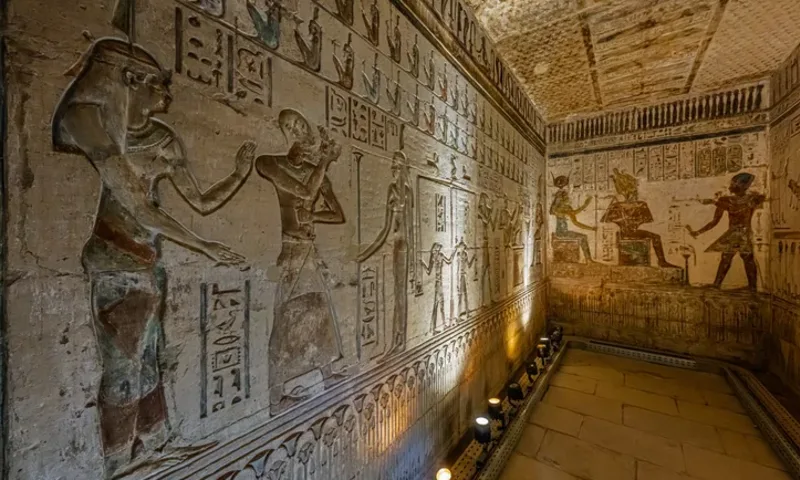
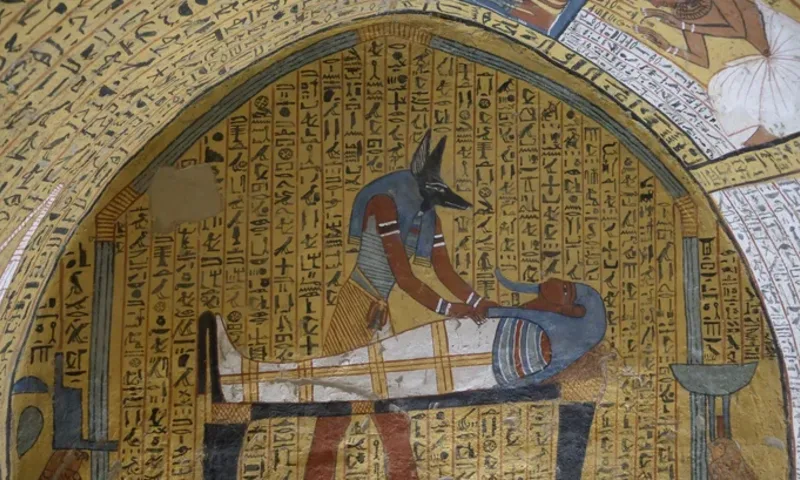
Local people and early tourists were familiar with the hillside tombs before the workmen’s village was fully exposed. The painted tomb of scribe Sennedjem was discovered in the 1880s, and the finds from this necropolis gained wider attention for the hillside community.
Systematic excavation began in the early twentieth century when an Italian mission, led by Ernesto Schiaparelli, found the unexcavated tomb of the architect Kha. This discovery, in 1906, was followed by the transfer of its finds to a museum in Turin. The tomb of Nefertari (1904) had already been uncovered by the same mission - see our Valley of the Queens guide for more information.
French Egyptologist Bernard Bruyère led explorations and clearances of the village for about three decades. The workmen’s village is exceptionally well documented compared to other settlements of the period, thanks to Bruyère’s efforts and the wealth of textual material left by its inhabitants.
What Was Life Like Inside the Valley of the Artisans?
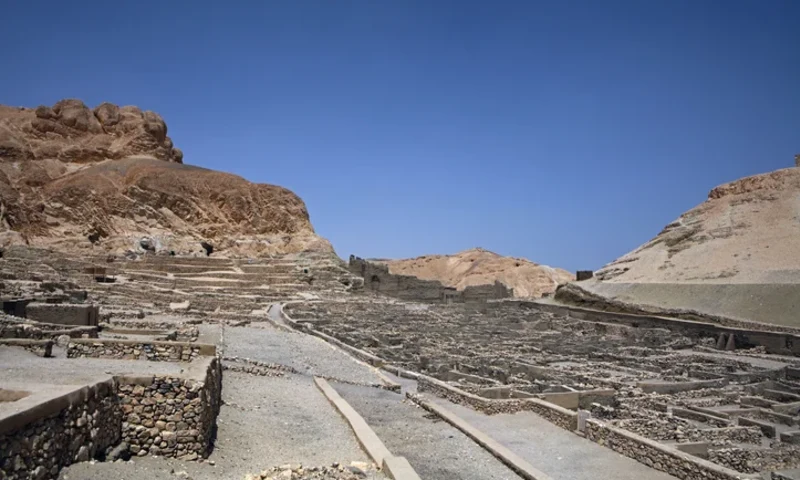
The village comprised small, closely spaced houses along a central street enclosed by an ancient wall. Stone foundations of these simple homes survive today. Many of the houses had multiple rooms, a cellar, and access to the roof via a ladder.
The residents lived close to their hillside tombs, only a short walk from the homes where they would one day be buried. This community was literate - thousands of limestone flakes, or ostraca, containing work orders, financial records, letters, and more have been uncovered.
One particularly interesting document records a dispute over delayed rations during the reign of Ramesses III, when the tomb workmen went on strike - an early example of the practice!
To learn more about Theban statuary and the ancient artifacts that depict life in the royal courts, combine your visit with a tour of the Luxor Museum.
How Were the Royal Tombs Built? Work Practices and Methods
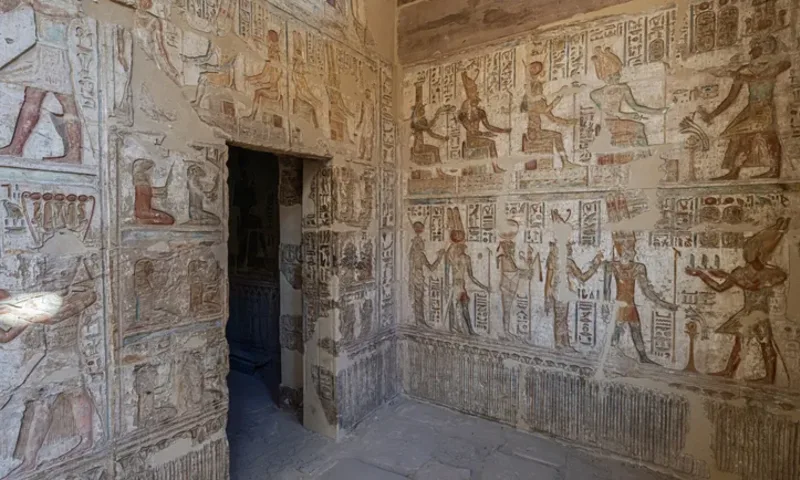
The workforce was divided into two teams, each led by a foreman and supervised by a scribe. Workmen followed a ten-day working week and spent their days off in their homes on the hillside. The process of decorating and building a tomb involved several stages. Artists first drew the scene in red ink, and a supervisor amended the lines in black ink. The sculptor carved the relief, and the painter added color using oil lamps for light. Copper and later bronze chisels were the tools of choice. A close look at the finished tombs in the Valley of the Kings is recommended - see our Egypt travel packages for Luxor itineraries that include the West Bank.
What Was Social and Religious Life Like in the Village?
Ancient Egyptian religious beliefs permeated all aspects of life, and the artisans were no exception. Deir el-Medina contains the remains of several chapels and shrines. Hathor, Maat, and Amun were popular gods, and the village’s temple was eventually dedicated to the first two. The artisans also worshiped Meretseger, “She Who Loves Silence”, who was associated with the peak overlooking the royal valleys. Amenhotep I and Ahmose-Nefertari were popular patrons whose cult followed the village’s residents.
The social life of the village was complex. Most of the artisans were literate, and families regularly sent letters to each other. Matters of dispute were taken to a local council, and ancestor worship was still practiced, evidenced by the many small chapels and stelae. The local community’s religious and social practices provide an interesting contrast to the grander temples along the Nile, such as Kom Ombo Temple, a double temple dedicated to Sobek and Horus.
Why Is Deir el-Medina Known as the Valley of the Artisans?
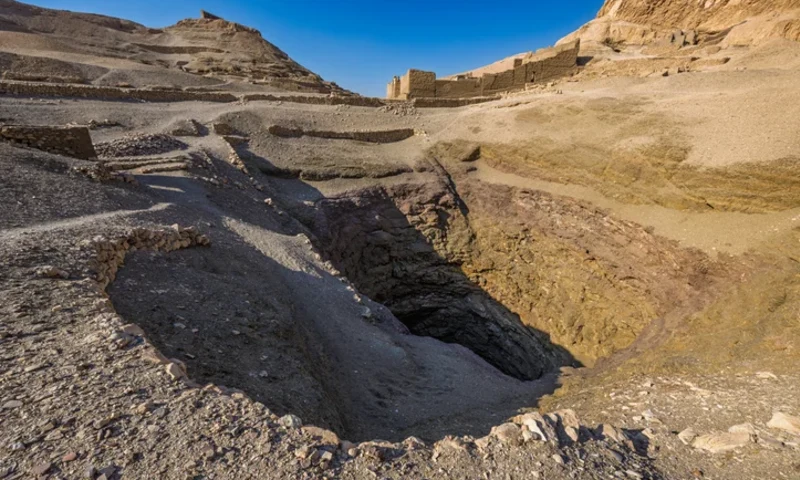
The ancient Egyptian name for the settlement was Set Maat, often translated to mean the “Place of Truth”. The residents were craftsmen of different disciplines, hired by the state to work on the royal tombs in the Valley of the Kings. The “Valley of the Artisans” is a modern nickname that reflects the people who lived and worked here.
The Arabic name means something like “Monastery of the Town”. This refers to a Coptic monastery that occupied part of the village in later years, and marks the second phase in the settlement’s long history.
Most visitors tour the village of Deir el-Medina as part of a guided West Bank day, departing from Luxor. The village is located between the Valley of the Queens and the Valley of the Nobles, and can be combined with a visit to the Valley of the Kings. The opening times for the tombs can be unpredictable, and the narrow stairways make it difficult to move around, so check availability on the day, and wear comfortable shoes and sun protection. The photography guidelines inside the tombs are also subject to change, so consult your group leader or the site’s staff on the day of your visit.
Travelers who plan to extend their Egyptian visit to neighboring countries might be interested in comparing our multi-country tours. Anyone touring in or around 2 August 2027 should also consult our eclipse Egypt guide, as the solar event will be visible for over six minutes in Luxor that day.
FAQs
Where Is Deir el-Medina Located in Luxor?
In Luxor’s West Bank, between the Valley of the Queens and the Valley of the Nobles. Most visitors arrive via road from Luxor as part of a guided West Bank day tour.
Why Do People Call the Site the Valley of the Artisans?
It is a modern nickname for the ancient settlement, and refers to the inhabitants who worked on the royal tombs. The draftsmen, sculptors, painters, and stonecutters who worked here lived in the village along with their families.
Who Excavated the Village?
An Italian archaeological mission, under Ernesto Schiaparelli, worked on site in the early twentieth century. French Egyptologist Bernard Bruyère was later in charge of the excavation that cleared much of the village.
Can You Enter the Tombs?
Some of the tombs are accessible to visitors, but it is best to check on the day as access can vary. The chambers are small, and the stairways can be quite narrow, so allow plenty of time to explore.
Is the Village Worth Pairing With the Valley of the Kings?
Yes, we would recommend it. The Valley of the Kings showcases the work of the artisans, and the village gives insight into who they were.
