


Introduction
A brief detour up the hill to the Aswan High Dam allows a traveler to take in two contrasting views: one of the Nile flowing north, flanked by narrow strips of farmland, and another of the land stretching out to meet the water on the horizon. This dam, completed in 1970 south of Aswan by Egyptians, created the juxtaposition of views, forming a critical element on trips between more recognizable Egyptian landmarks like Philae.
A guide leads the way around the viewing platform at the dam, commenting on the sights, while the traveler dedicates a brief portion of their Egyptian vacation to the structure. It is rare for a visitor to spend a day here, preferring to dedicate their attention to other of Egypt's ancient wonders.
Table of content:
What Are the Highlights?
-
Views from the crest of the dam, with the Nile on one side and the reservoir on the other
-
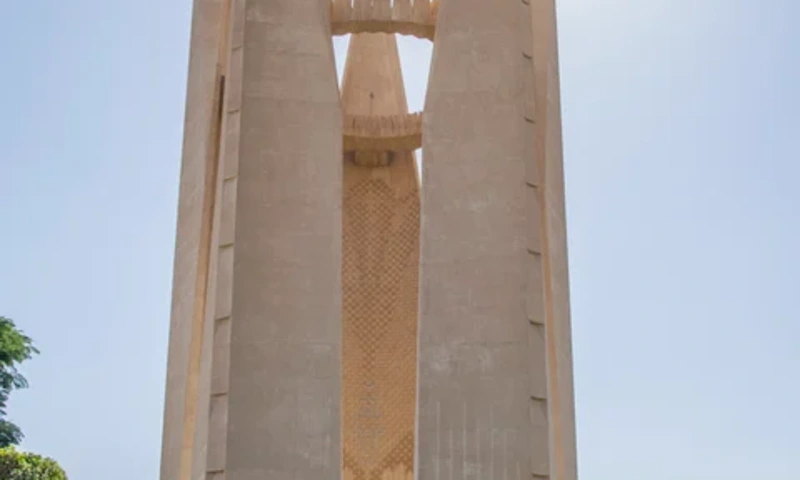
The lotus-shaped Soviet-Egyptian Friendship Monument at the dam's edge
-
Up-close inspection of the engineering feat that regulates the flow of the Nile
-
Philae Temple and Aswan's granite quarries on the same trip
-
A city serving as the midpoint of many a Nile River cruise
Ready to visit the Aswan High Dam and experience the lake from its crest? Combine it with the other wonders of Aswan in our Egypt travel packages, and let our team plan the details for you.
How Was the Dam Built, and Why Did Egypt Need It?
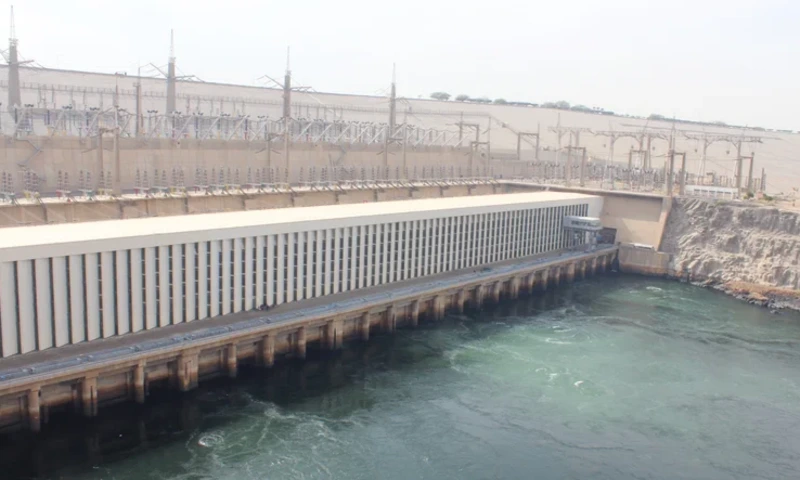
Life along the banks of a fickle river has never been easy. Crops suffered with the unpredictable rise and fall of the Nile, with either a plentiful harvest or an empty one depending on the year. Even the British construction of a smaller dam at Aswan in 1902 provided only limited improvement for Egyptian farmers. The Aswan High Dam, built by Egyptians beginning in 1960, with the assistance of the Soviet Union, sought to bring order to the chaos by preventing flooding downstream and providing irrigation for farms in the region. The wall of rocks 3.8 kilometers across and 111 meters high created a reservoir along the Nile, which also supplied power for a hydroelectric plant.
The construction project displaced communities living on the banks of the Nile, however, and more measured reflection recommends itself to the thoughtful visitor. The dam's most effective guides know to provide this perspective, allowing the traveler to consider the trade-offs made by the people responsible for the landmark.
What Is Lake Nasser and How Does It Connect to the Dam?
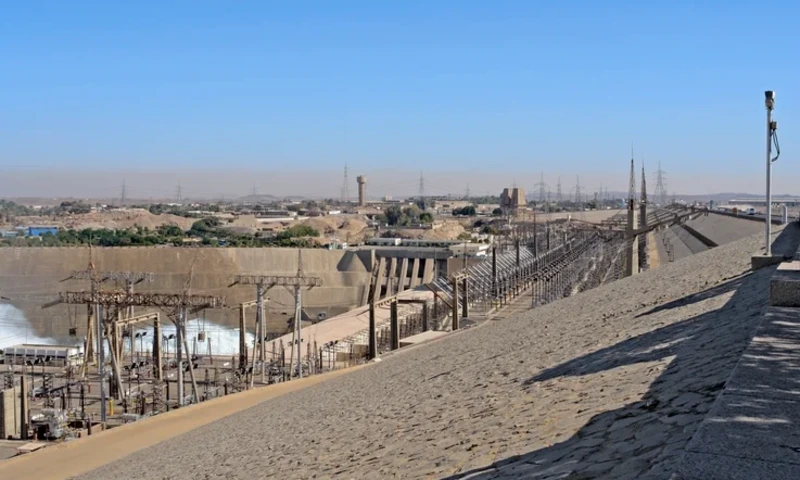
All of the water prevented from flowing past the dam was collected into a reservoir named Lake Nasser, after the Egyptian president who commissioned the project. It stretches 500 kilometers from the city of Aswan to the border with Sudan, where it is also known as Lake Nubia and is considered one of the largest man-made lakes in the world. Its most impressive feature from the road is the meeting of the water and the desert, a black-green expanse that appears to have been placed there deliberately. The traveler can witness this effect most dramatically when looking out from the crest of the dam, where they will also see the verdant banks of the Nile flow past in the other direction. The region was historically populated by Nubians, some of whom still live in the area in modified traditional villages.
Which Temples Were Saved When the Water Rose?
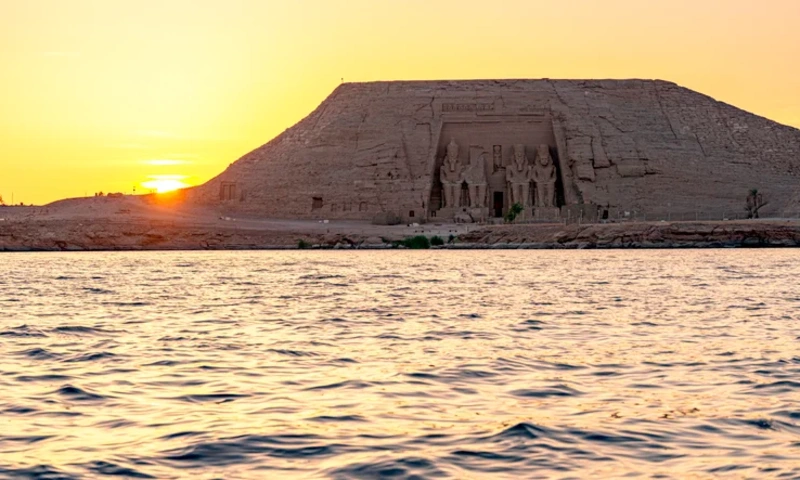
In preparation for the filling of the lake behind the Aswan High Dam, UNESCO partnered with the Egyptian government to relocate a number of Nubian monuments to higher ground. Abu Simbel is the most recognizable one, since workers disassembled the temple of Seti I and his son Ramesses II and reassembled them on a new foundation so that they would still be visible from the lake. Both the Ramesses II and the Abu Simbel temples can be seen on excursions from Aswan. Philae, dedicated to the goddess Isis, is another Nubian temple that was found in a new location on an island in the middle of the water, a few kilometers from Aswan. Travelers can see it by boat, and most also visit the Kalabsha Temple, which has been relocated near the Aswan High Dam. From either location, visitors have another look at the dam and the reservoir.
How Can You Visit the Dam and Plan the Rest of Your Trip?
The Aswan High Dam is within easy distance of the Aswan city center, where a traveler can include it in a day of visiting this local attraction. A guide or driver is handy, since much of the information belongs to the history of the dam, which is therefore best presented by someone familiar with it. Travelers should ask the tour operator about the conditions for visiting, since they can change. This article on the best time to visit Egypt provides a season-by-season breakdown to help with planning. Travelers who want to visit Aswan without a group tour should also consult this guide to solo travel in Egypt, which includes suggestions on accommodations in the city. Those interested in seeing the lake and its connection to the Aswan High Dam should consider an Aswan Nile cruise, some of which head to Abu Simbel.
Aswan occupies an important position near the southern limit of the classic Egyptian triangle, with Luxor to the north. Many travelers head to Luxor after visiting Aswan, and more specifically to see the Luxor Temple. Egypt might be only one country on a larger multi-country tour, in which case the traveler could benefit from consulting this article on international tours in Egypt.
Dedicate a morning to examining the Aswan High Dam, and follow it up with a visit to Philae and the granite quarries—these three together form the uniqueness of this region of Egypt.
FAQs
What Is the Aswan High Dam Used For?
The three primary purposes of the Aswan High Dam relate to preventing floods, storing water for irrigation, and generating electricity. Much of Egypt's water needs depend upon it.
How Long Is Lake Nasser?
The Lake Nasser measures approximately 500 kilometers from its northernmost point at Aswan to its southern end on the border with Sudan, where it meets with Lake Nubia.
Can You Visit Abu Simbel From Aswan?
Abu Simbel lies on the shore of the lake to the south of Aswan, and there are organized trips from this city to the temple, which a traveler can inquire about with their tour operator.
What Can You Combine With a Visit to the Dam?
The Philae Temple, the granite quarries, and a Nubian village all lie within easy distance of the dam, allowing the traveler to combine a look at this engineering marvel with the history and culture of the ancient civilization that thrived along the banks of the Nile.
Is the Dam Worth a Stop If You Only Have One Day in Aswan?
It can be, as long as you keep it short. The dam is a brief visit, so it pairs easily with Philae Temple on the same day, and a guide can explain the story while you walk the viewing area.
