


Introduction
Wadi El Hitan is an ancient area located in the Western Desert of Fayoum, approximately 150 km southwest of Cairo. It was a shallow sea around 40 million years ago, meaning whales can be seen today in the desert sands. It was added to the UNESCO list of World Heritage Sites in 2005.
The area is located within the Wadi El Rayan Protected Area and includes an outdoor museum. There is a visitor centre, a signposted walking trail and an underground fossil museum. It is often added to a wider Egypt travel package as it provides a desert alternative to the museums of Cairo. Discover more about the fossils, what to expect, and how to make the most of your day.
Table of content:
Where Is Wadi El Hitan?
The area is located within the Fayoum Governorate and Wadi El Rayan Reserve. The area was declared a Special Protected Area in 1997. The reserve is approximately 1759km2 and the fossil valley is part of the reserve. As the track is on unpaved sand in the open desert you will need to travel by 4x4. You will go on a guided tour following a set trail.
Cairo is a great place to start your day.
Why Is It Called the Valley of the Whales?
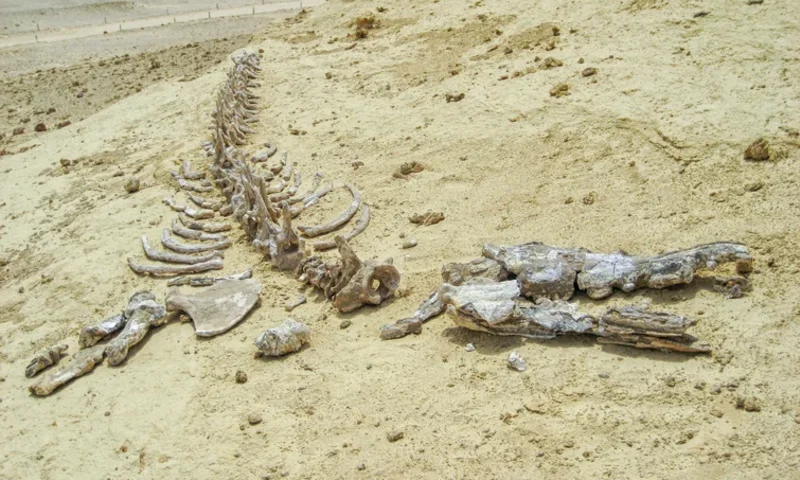
The name ‘Wadi El-Hitan’ translates to Whale Valley. This seems an unusual name for an area with no water, but the geology of the area is key. The area was once under the sea, but due to climate change, the seabed became extremely arid. Erosion from wind and water has eroded the rock, exposing the skeletons.
The rocks containing the fossils date back to the Middle and Late Eocene. The valley is considered the most important site in the world to understand how whales evolved from land mammals to ocean creatures. The bones show us that the skeletons are complete, with small legs at the back.
Since expeditions mapped out the fossil whales in the 1980’s and 1990s, there has been lots of scientific interest in the area. This is a large reason why it has been given protected status.
What Fossils Are Found in Whale Valley Egypt?
There are several hundred fossils documented here. Around 1000 individual animals have been identified. Most of them are whales and sea cows.
Basilosaurus and Dorudon
There are two main types of whales found here. The large Basilosaurus can be up to 21m long. The smaller Dorudon can be 3- 5 m long. Both lived between 37-40 million years ago.
Some young Dorudon skulls have bite marks that researchers believe were caused by a large predator, probably Basilosaurus.
As you walk along the trail, there are around a dozen skeletons to see. The long Basilosaurus is easy to spot. The Dorudon shows us characteristics that are more similar to modern whales. To see living marine life, head to our Marsa Alam attractions guide.
Sea Cows
There are also fossils of sea cows. There are at least two other species of whales known.
These fossils show us what the marine life was like in this area a long time ago. Researchers have also found archaeocetes, an extinct group of whales including some of the earliest whales.
Fossil and Climate Change Museum
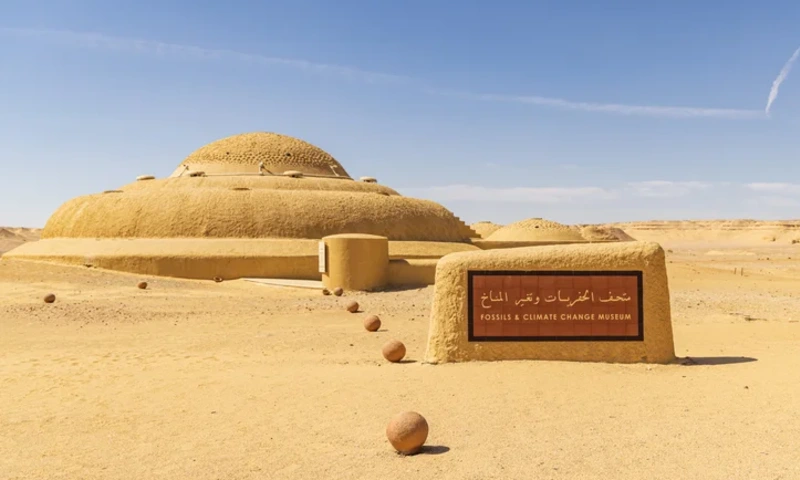
There is an underground museum with more fossils. This opened in 2016 and is dedicated to the fossil whales found in Fayoum.
There are Basilosaurus skulls on display. There are also whale fossils showing their transition from land to water. There are also prehistoric tools used by early humans.
Why Is It Important to Scientists?
There are few places with such well-preserved early whales. The skeletons are often almost complete meaning researchers can understand the body shape of the animals as they changed from living on land to in the sea.
Basilosaurus has long bodies and small back legs. Dorudon is smaller and more similar to modern whales. Using both fossils together helps scientists understand how early whales adapted their bodies.
Today whale valley egypt is an outdoor museum and active research site. The area is remote from farming and cities, meaning the fossils are in great condition. Combine the desert with the river by adding one of our Nile River Cruises.
What to Expect on the Fossil Trail?
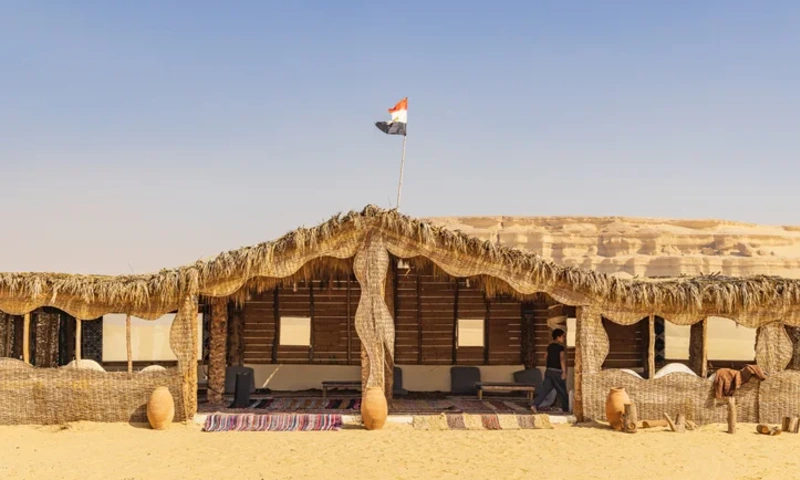
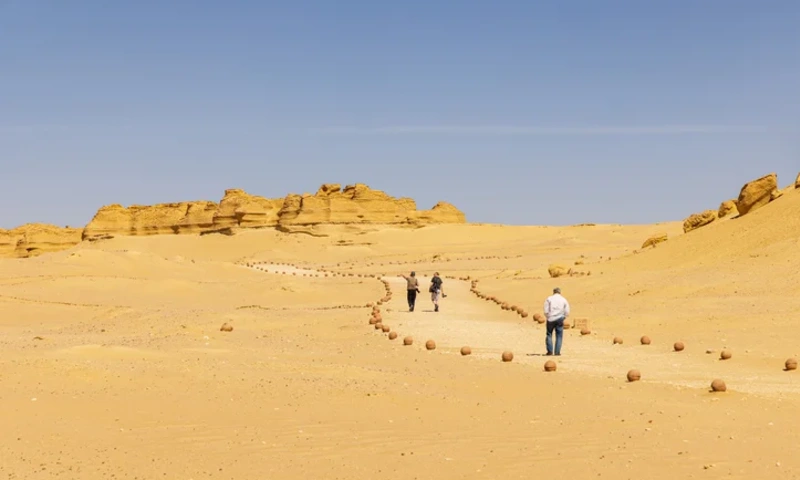
You will start your visit at the visitor centre. There is a sign posted trail to follow to the fossils. There is a pathway through the skeletons. There are invertebrate fossils and bones throughout. It is best to take your time, as the skeletons are in the sand.
Your guide will explain what you can expect to see. Take your time to understand the fossils. The size of the skulls and small back legs. The cliffs and buttes in the area have been shaped by wind and water, giving the area a lunar feel. The area has dramatic dunes and eroded rock. If you love this type of scenery, then you may enjoy the chalky rock formations in the White Desert Egypt.
What Other Attractions Are in the Same Reserve?
Wadi El Hitan is part of the Wadi El Rayan reserve. Most day tours will include the whole reserve. Within Wadi El Rayan, there are lakes connected by waterfalls. The water was created by a diversion project in 1973. Mudawara Mountain and desert dunes complete the circuit.
Outside of the reserve, there are other attractions in Fayoum. Lake Qarun is a great place for birdwatchers. Tunis Village is a hilltop pottery village with amazing views over the lake. These attractions are outside of the reserve but often included in a longer Fayoum itinerary.
This gives you two different vibes throughout the day. The fossils are very quiet, dry, and scientific. The lakes and waterfalls give you some water, birds, and open views. If you are looking to create a longer itinerary, you can combine Egypt with other destinations on our multi country tours.
FAQs
What Is Wadi El Hitan Famous For?
The area is famous for the fossilised whale skeletons. The skeletons show us how early whales evolved from land mammals to ocean creatures. The valley was added to the UNESCO list of World Heritage Sites in 2005. You can walk along the trail between the skeletons, and there is more to see in the museum.
How Far Is It from Cairo?
The valley is approximately 150 km southwest of Cairo. It is located in the desert of Fayoum Governorate. You will go on a guided tour.
Do I Need a 4x4?
Yes, you will need a 4x4 as the track is unpaved and on open desert sand. You will be on a set trail with a pre-booked guided tour.
How Old Are the Whale Fossils?
Many of the fossils are from the Basilosaurus and Dorudon. These lived between 37-40 million years ago in the late Eocene. The rocks surrounding them date back to the Middle and Late Eocene.
Is Whale Valley Egypt Part of a Protected Area?
Yes, it is located within the Wadi El Rayan Protected Area. In 1997, the area became a Special Protected Area. The area is very protected, meaning you will be on the signposted trail and go on guided tours.
