


Introduction
Saqqara Egypt, is the massive necropolis of ancient Memphis. Located on a plateau in the desert on the west bank of the Nile just south of Cairo. For thousands of years, kings, officials, and priests were buried here. This necropolis contains some of the earliest attempts at stone tombs and Old Kingdom carved pyramid chambers.
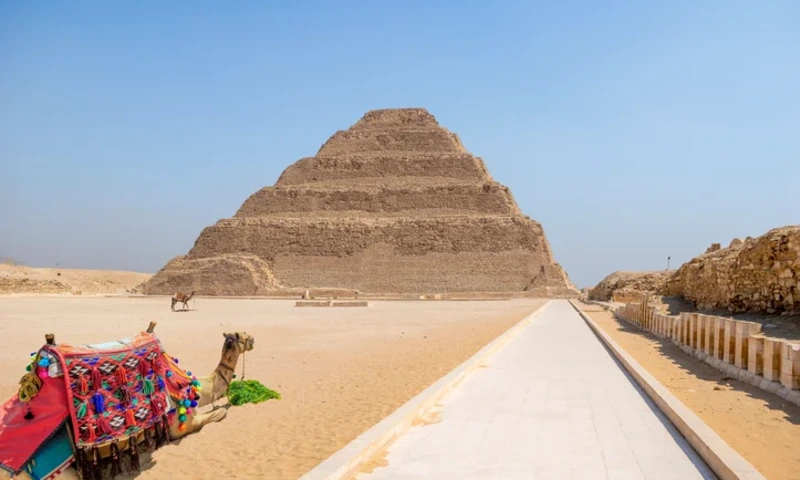
The Step Pyramid of Djoser is the main feature here. But there are some peaceful areas to explore. There are spell-inscribed pyramids, beautifully painted tomb chapels, and underground chambers for sacred bulls.
Ready to explore the courtyards of the Step Pyramid and enter the chamber of Unas? Plan your visit to Saqqara Egypt with OFT travel. Add it to your wider itinerary with our multi country tours.
Table of content:
Why is Saqqara Egypt Important in Ancient Egyptian History?
Memphis was the capital during the Old Kingdom, and as such, Saqqara was used as the burial ground. Many tombs were built here for kings, officials, and priests over many centuries. This gives us a clear insight into the evolution of tombs in Egypt.
The necropolis is an easy place to understand. We can clearly see the progression from simple mastaba tombs to the step pyramid of Djoser and then to the true pyramid with inscribed chambers. The area is recognised by UNESCO as part of the Memphis and Necropolis World Heritage Site. This is the same site which includes the famous pyramid fields from Giza to Dahshur.
The site has been in use for a long time. The earliest tombs for the elite were built in the First Dynasty, and many burials took place long after the end of the Old Kingdom. The Serapeum is here because the Apis bulls were buried here over many centuries. This allows you to experience the evolution from the first royal tombs to the pyramid age and animal worship of later dynasties all within one area of desert. This is why there are still excavations taking place on the plateau.
What to See in Saqqara?
The necropolis covers a large area of desert, but there are only a few key monuments to visit.
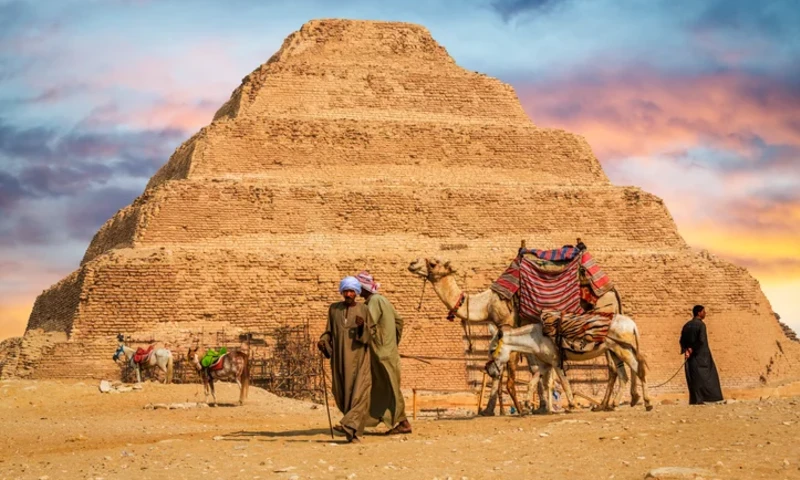
Step Pyramid of Djoser
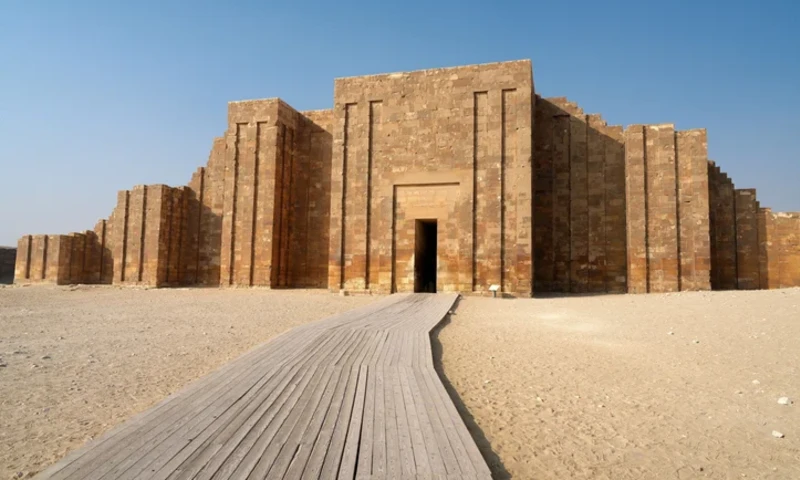
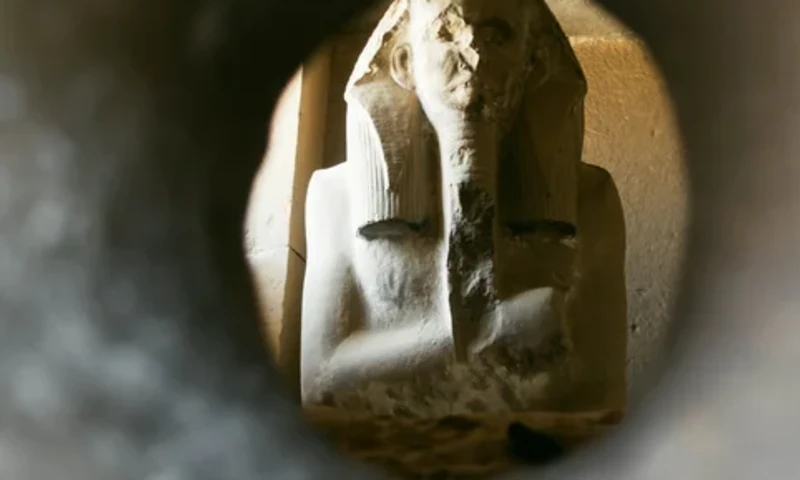
This pyramid was built for King Djoser during the Third Dynasty by his architect Imhotep. It has six tiers and is around 60m high. It is generally considered the oldest large stone pyramid in Egypt. The entrance is framed by a colonnade leading to open courtyards. One of these was built for the king's Jubilee festival. Close by, there is a small chamber called the serdab. This contains a replica of the seated statue of Djoser. The chamber has two small windows allowing him to look out over the courtyard.
Pyramids of Unas and Teti
These pyramids from the Fifth and Sixth Dynasties do not look like much from the outside. However, inside they are amazing! The burial chamber of Unas contains the Pyramid Texts, which are spells to help the king in the afterlife. The chamber has a starry ceiling. Tetis pyramid was built later and contains similar texts. The passageways are quite narrow, so keep a steady pace and wear strong shoes.
Decorated Tombs (Mereruka, Kagemni, Ti and Ptahhotep)
The tombs of officials from the Old Kingdom have beautiful reliefs showing scenes from everyday life. Mereruka was a vizier during the time of Teti and has a tomb with over thirty rooms. Scenes of farming, fishing, boat building, and hunting in the marshes can be seen on the walls of tombs such as Ti and Kagemni. The chapel of Ptahhotep is well known for its detailed reliefs. If you are travelling further south, you will be able to compare these with the painted chambers mentioned in our guide to the Valley of the Queens.
Serapeum & Imhotep Museum
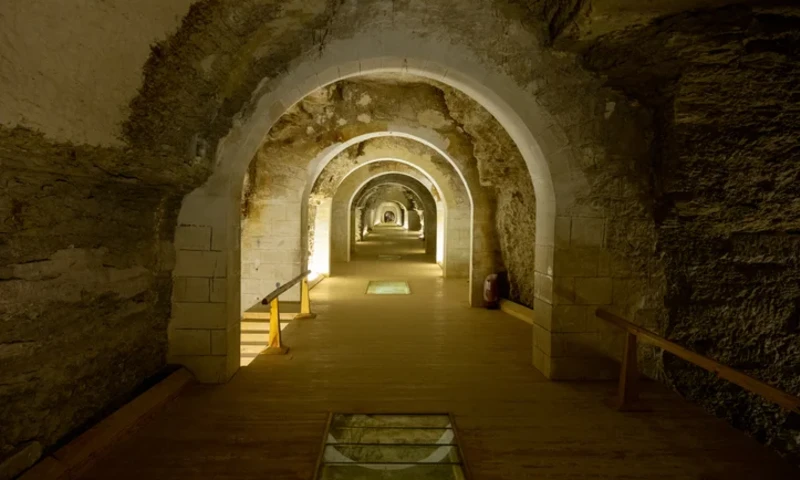
The Serapeum is located underground. It contains a series of long underground chambers with huge granite sarcophagi for the sacred Apis bulls. These chambers were discovered by Auguste Mariette in 1851. Some of the tombs and chambers may not be open every time you visit, so ask your guide what is available. For information on how the granite monuments started life in an ancient quarry, visit our guide to the unfinished obelisk in Aswan.
Close to the entrance is the Imhotep Museum. This museum contains artefacts from the necropolis.
Who was Imhotep?
Imhotep worked for King Djoser and is credited with designing the Step Pyramid. Later generations of Egyptians remembered him as a wise official, and eventually he became a revered healer. The museum near the entrance to the site is named after him.
This is why the Step Pyramid is important. It marks a significant change in royal burials. It was the first to use stone rather than mud-brick tombs and set the precedent for stepped pyramids.
How does Saqqara Fit in with the Other Sites?
Most people who ask what to see in Saqqara will also want to know what is close by. Memphis was the ancient capital and has an open-air museum at Mit Rahina with a huge statue of Ramesses II. Dahshur is slightly further south and contains the Bent and Red Pyramids.
By visiting Saqqara Egypt, you can see how the design evolved from the Step Pyramid of Djoser to the Bent and Red Pyramids and finally the smooth-sided pyramids of the Giza Plateau. Back in Cairo, you can visit the National Museum of Egyptian Civilization in Fustat for a broader look at Egyptian history. The Khan El-Khalili bazaar in Islamic Cairo also provides an entirely different side to the city.
Why Visit with a Guide?
Visiting with a guide will make the site easier to understand. The hieroglyphics in the tombs and the Pyramid Texts in the tomb of Unas will be easier to understand with someone reading them. Your guide can also tell you which tombs and chambers are open.
If you are visiting Saqqara along with Memphis and Dahshur, a guided day trip from Cairo will make things easier. OFT Travel has all-inclusive Egypt travel packages. We have itineraries throughout the country and Nile river cruises.
FAQs
Where is Saqqara Egypt?
Saqqara is located on the west bank of the Nile just south of Cairo and the Giza Plateau. The pyramids, tombs, and temples are located along the edge of the desert.
What to See in Saqqara Egypt?
Start with the Step Pyramid of Djoser and surrounding complex. Then visit the Pyramid of Unas, which has an inscribed chamber. Finally, visit a decorated tomb such as Mereruka.
Why is the Step Pyramid of Djoser Important?
The Step Pyramid was designed by Imhotep for King Djoser in the Third Dynasty. It is generally considered the oldest large stone pyramid in Egypt. It was the first to have a stepped design.
What is Special About the Pyramid of Unas?
The burial chamber contains the Pyramid Texts. These are inscribed spells to help the king in the afterlife. It is the first decorated pyramid. The chamber has a starry ceiling.
Can I Visit Saqqara and Giza?
Many itineraries in Cairo include Saqqara and often Memphis and Dahshur. Your guide can help you decide the order to visit. They can also tell you which monuments are open.
