


Introduction
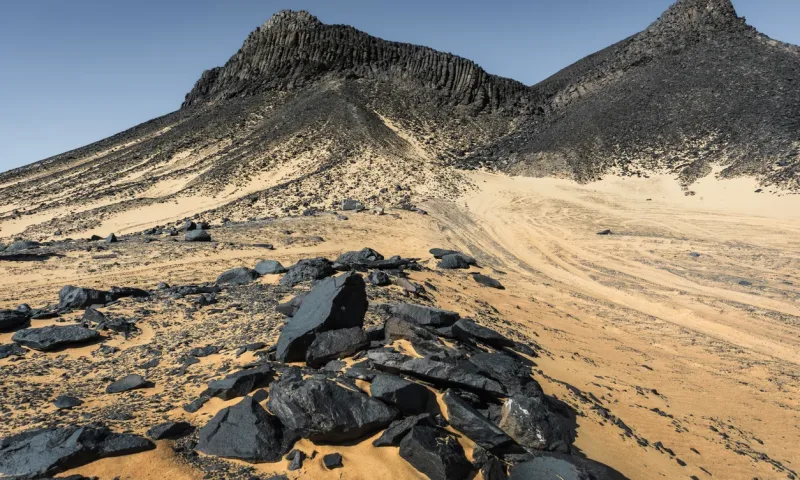
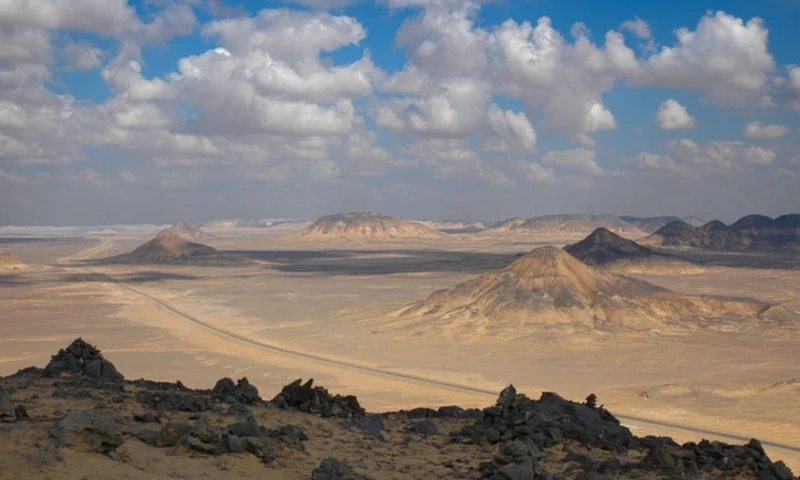
A few hours west of Cairo, the road heads away from the Nile Valley and into the hazy black of the Western Desert. It is a land of volcano-like hills rising from the dark-stained ground and iron minerals that tint the rocks black.
Of the deserts in Egypt, the Black Desert in Egypt is the most popular stop on the way to the White Desert’s chalk formations, with the Bahariya Oasis as the gateway. This guide covers what to expect from the landscape, how to get from Cairo, what a night in a camp involves, and how to slot the trip into a larger Egypt itinerary.
Planning a visit? Our travel experts can help design the route around Cairo, the Nile and the Red Sea. If Egypt is one stop on a longer trip, take a look at our multi-country tours and send us your dates.
Table of content:
- What Makes the Black Desert in Egypt Unique?
- How Do You Get from Cairo to the Black Desert?
- What Does a Desert Safari Egypt Camping Night Involve for First-Timers?
- What Else Is Worth Seeing Around Bahariya Oasis?
- When Should You Go, and What Should You Pack?
- How Can You Fit the Desert into a Wider Egypt Trip?
- FAQs
What Makes the Black Desert in Egypt Unique?
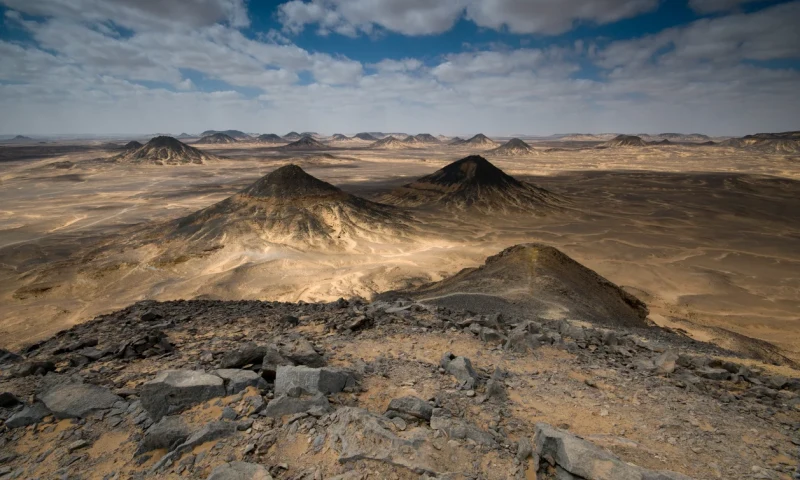
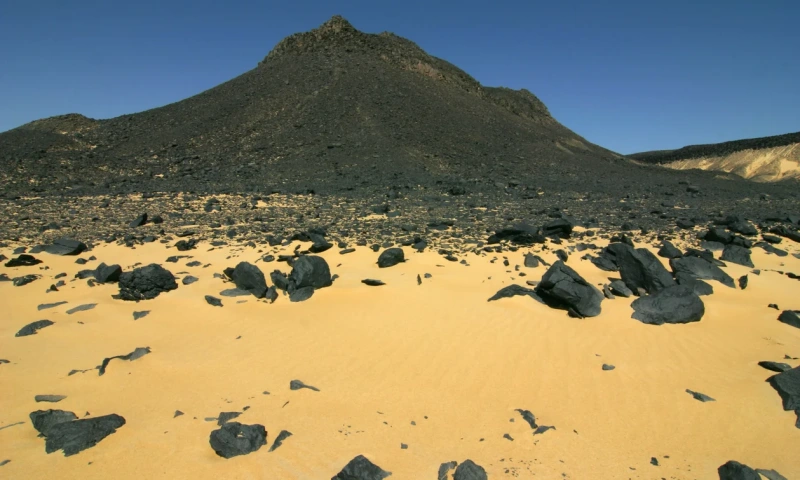
The other deserts in Egypt are pale, sand-drenched landscapes, but this one is different, with black fragments of basalt and iron-rich rock littering the ground and cone-shaped hills rising at wide intervals.
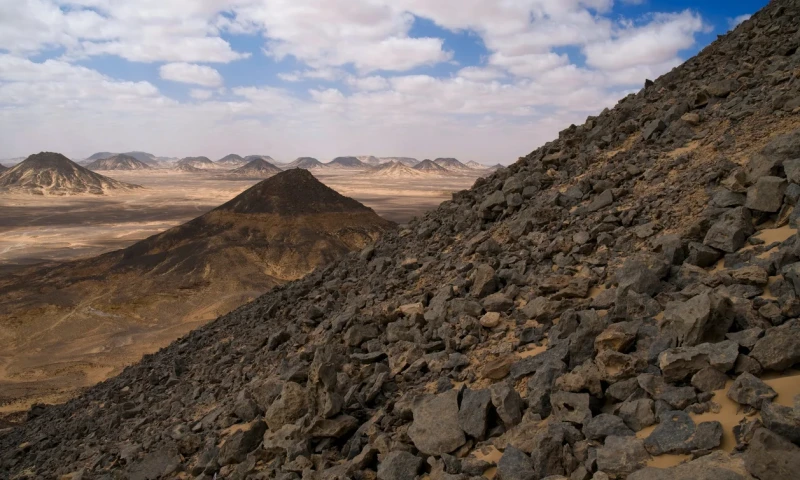
Hiking the black desert landscape is straightforward, and climbing a hill rewards you with a panoramic view of all horizons, which makes it a popular stop for photography to capture the volcanic cones dark against the sky.
This part of the Western Desert borders the Bahariya Oasis, meaning some itineraries include a stop at Al-Marsous Mountain - a crater of volcanic jasper - before heading towards Crystal Mountain and the chalk landscapes further on.
How Do You Get from Cairo to the Black Desert?
A four-hour drive from Cairo to Bahariya Oasis begins the trip, with most visitors stopping to eat in the oasis settlement before switching to the four-by-four vehicles that tackle the rocky tracks into the desert.
The Black Desert in Egypt is literally on the way and a convenient first stop or a detour. Crystal Mountain and the Agabat valley can follow, with the White Desert chalk formations picking up in the late afternoon light.
Because the trip begins in the capital, many visitors like to spend a day or so in Cairo first and a walk through the bazaar district is a popular choice. Our Khan El-Khalili guide covers what to see and which cafés are worth trying.
For those preferring to slot the desert into a bigger itinerary, browse our Egypt travel packages and ask our travel experts to suggest how a night in the desert could work.
What Does a Desert Safari Egypt Camping Night Involve for First-Timers?
Camping is one of the best ways to experience the deserts in Egypt, and first-timers tend to overthink the logistics. The formula is simple. Bedouin staff set up the tents, prepare the meals, and often play music around the campfire in the evenings. Some operators provide sleeping bags and mattresses, some don’t, so check the inclusions when booking a desert safari experience.
Night falls with a sky full of stars - invisible from the city - which is why the overnight stay is a staple of most itineraries.
Breakfast consists of local bread, cheese, and eggs in the open desert. Some itineraries include a four-by-four tour of the Agabat valley with sandboarding, so ask in advance. For a closer look at the chalk side of the trip, read our White Desert Egypt guide.
What Else Is Worth Seeing Around Bahariya Oasis?
Beyond the dunes, the deserts in Egypt hide cultural stops too, and Bahariya is the best example. The oasis capital of Bawiti is home to the Museum of the Golden Mummies, and the temple of Ain El Muftella and warm springs near the oasis make it a spa destination. Palm and olive groves surround the area, and visitors extending the journey towards Farafra Oasis can see the Museum of Badr and its old town.
Those who enjoyed the Golden Mummies may want to consider a second stop in Cairo, where the National Museum of Egyptian Civilization has a Royal Mummies Hall.
When Should You Go, and What Should You Pack?
Most deserts in Egypt are punishing in summer, so many visitors opt for cooler months. After sunset the temperature drops and mornings often involve sunrise photography, so layers earn their place in the bag.
Pack sun protection, good walking shoes, a jacket for evenings and enough water to last the day.
A valid passport is another must, with operators asking for a copy to be sent at least 24-hours in advance to secure the permits for the trip, so check when booking.
How Can You Fit the Desert into a Wider Egypt Trip?
A night in the desert fits with an itinerary that focuses on temples and the Nile. Many visitors spend a day or two in Cairo, head into the desert, and then fly south to Luxor and Aswan.
The latter leg is ideally suited to a cruise along the Nile, and one of our Nile river cruises between Luxor and Aswan picks up Edfu, Kom Ombo, and the temples dotted along the banks.
Others finish the trip by the sea, where the Red Sea coast has coral reefs and seaside towns. Our Marsa Alam attractions guide covers Abu Dabbab Bay, Samadai Reef, and Wadi el Gemal National Park.
FAQs
Where Is the Black Desert Located?
It is part of Egypt’s Western Desert, near the Bahariya Oasis. Travelers usually reach it from Cairo by driving about four hours to the oasis, before continuing in a 4x4 vehicle.
Is the Black Desert in Egypt Part of a White Desert Trip?
It forms part of many desert itineraries. It lies on the route between Bahariya Oasis and the White Desert, making it a logical early stop before Crystal Mountain and the camp.
What Does a Desert Safari Egypt Itinerary to the Black and White Deserts Include?
Tours to the black and white deserts usually include at least one night in a desert camp with meals provided by the Bedouins and 4x4 transport. Tents, sleeping bags and mattresses vary by operator, so check the inclusions when booking.
Do Desert Nights Get Cool?
Temperatures in the deserts in Egypt drop noticeably after sunset, meaning a light jacket is a sensible addition to the day pack. It also makes layering a good idea in the mornings when many visitors are out taking photographs.
Do You Need Documents for a Desert Trip?
A valid passport is required, and operators may ask for a copy to be sent at least 24 hours in advance in order to secure the documents for the trip. Check when booking.
