


Introduction
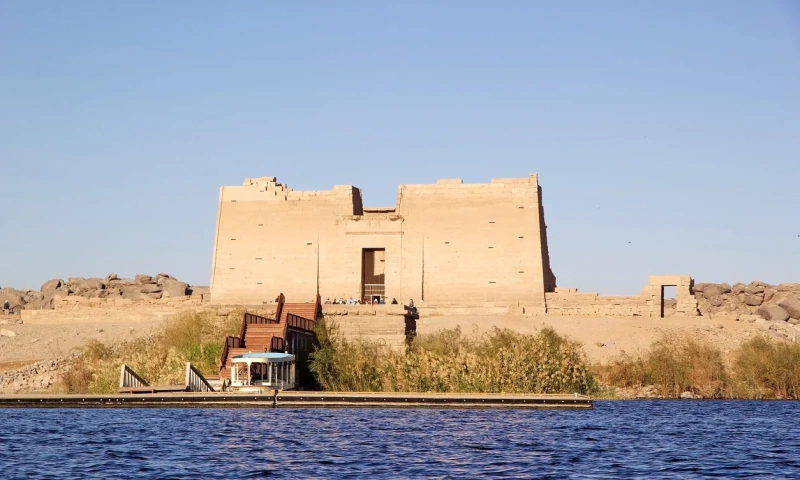
Kalabsha Temple is an impressive ancient structure, located on a small island in Lake Nasser south of the Aswan High Dam. This is the largest free-standing temple in this region of Nubia, which was relocated for the second time. It was dismantled and reconstructed on its current site as part of the international rescue operation of Nubian monuments.
Your visit includes a short boat ride, a walk along a stone causeway, and views over the lake from the roof of the temple. This guide provides the background to the temple, its layout, the other local temples, and the practicalities that add to the visit.
Visiting Kalabsha Temple allows a traveler to experience the history of the monument, relocated twice, as a real place to explore. Search our Egypt travel packages to include Aswan’s Nubian temples in your touring days.
Table of content:
Where Is Kalabsha Temple Aswan Located and Why Was It Moved?
Currently on the west bank of Lake Nasser, on the island of New Kalabsha, just south of the High Dam, the original location of this structure was at Bab al-Kalabsha, approximately 50 km south of Aswan. Dismantled and reconstructed in the 1960s, this was necessary to allow the building to withstand the conditions of the new dam location, as part of the International Campaign to Save the Monuments of Nubia.
Included in the UNESCO World Heritage List in 1979, together with other Nubian monuments including Abu Simbel and Amada, in 1977 Egypt gave the original stone gateway to Germany as a token of appreciation for their assistance with the relocation, now displayed in the Egyptian Museum in Berlin. For background on the High Dam, our Aswan High Dam guide provides more detail.
Who Built Kalabsha Temple and Which God Did It Honor?
Kalabsha was constructed during the Ptolemaic period and completed under the reign of Emperor Augustus, who ruled from 30 BC to AD 14. Dedicated to the Nubian solar god Merwel, also known to the Greeks as Mandulis, it was later adapted for use as a church.
The monument measures approximately 76 metres in length and 22 metres in width, and the layout can be compared to nearby Philae, an option also included if these monuments are included in your interests. For another Nubian-style temple from a similar period, our Kom Ombo temple guide explores the double sanctuary of Sobek and Horus.
What Will You See Inside Kalabsha Temple?
The Causeway and First Pylon
A stone causeway extends from the edge of the water to the first pylon, so your visit begins with the panorama of the lake. Beyond this structure, the colonnaded court opens out before you.
The Court and Hypostyle Hall
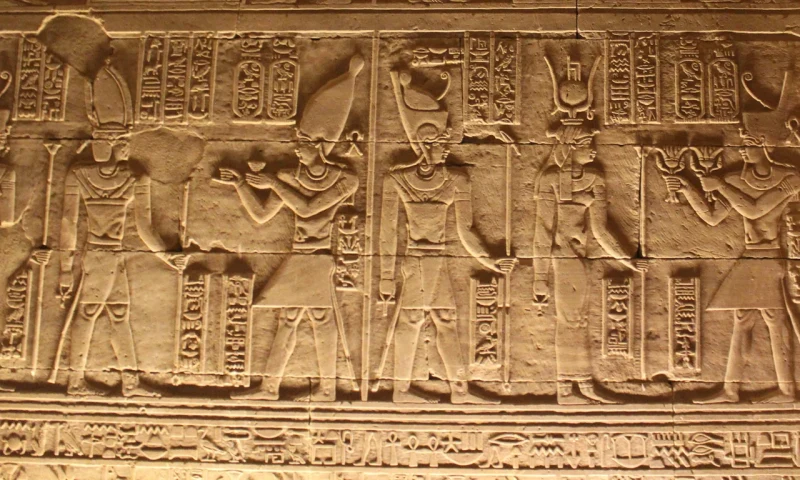
Supporting the hypostyle hall beyond the court, eight columns provide a shaded continuation to the walk. Details on the inscribed walls depict emperors or pharaohs in the presence of gods and goddesses, worth studying at a measured pace.
The Sanctuary, Roof and Nilometer
The three-chambered sanctuary that follows the hypostyle hall has stairs leading to the roof, from which there are sweeping views of the capitals of the hall and court, to take in the panorama of Lake Nasser and the High Dam.
In an inner passage between the temple and its surrounding wall, a preserved Nilometer is located.
Which Nearby Temples Pair Well With a Visit?
Beit el-Wali
A rock-cut monument with a fronting brick pylon, this smaller temple was largely constructed by Ramesses II and dedicated to Amun-Ra.
The Kiosk of Kertassi
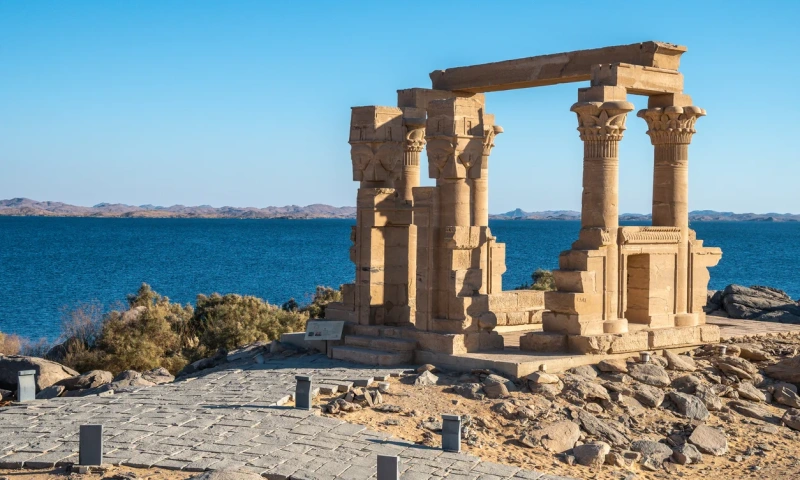
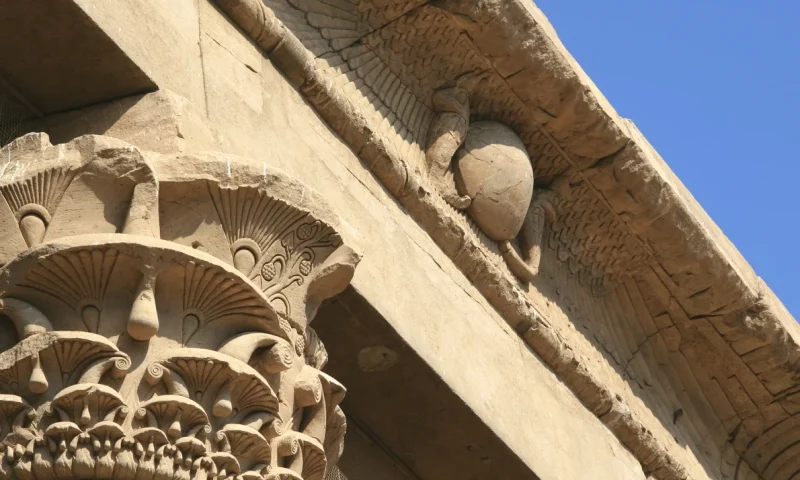
Located just north of the main structure, the modest remains of this monument are dedicated to Isis, with two columns topped by the head of Hathor and a remaining massive architrave. This kiosk was also relocated for the High Dam.
The ancient granite quarry, described in our unfinished obelisk in Aswan guide, is a suitable follow-on visit if staying in Aswan.
How Do You Get to the Temple From Aswan?
Reaching Kalabsha Temple requires leaving the mainland, with a motorboat ferrying visitors to the island. While guided tours usually include pickup at a hotel in Aswan and return to your accommodation, some accommodations have a designated meeting point, worth confirming when the tour is booked. Some day tours also include the Nubian Museum in Aswan.
If your visit to Aswan includes a cruise along the Nile, our Nile river cruises can help you choose a cruise that allows maximum flexibility in your touring days.
How Does the Visit Fit Into a Wider Egypt Trip?
A visit to Kalabsha Temple Aswan falls conveniently alongside the High Dam and other relocated monuments of Nubia. The stairs to the roof reward those with the stamina to climb them.
Heading north to Luxor? The temples of the West Bank continue the history of ancient construction on a monumental scale, with our Habu Temple guide adding the battle reliefs and fortified gateway at Medinet Habu. Travelers combining Egypt with other countries can compare multi country tours to see how to fit in Aswan.
FAQs
Is Kalabsha Temple worth visiting?
Interesting to travelers who want to explore the UNESCO relocation and Nubian history; the causeway, hypostyle hall, roof views, and the Nilometer add to the attraction, with the nearby Beit el-Wali and Kertassi.
Where is Kalabsha Temple Aswan today?
On the island of New Kalabsha, on the west bank of Lake Nasser just south of the High Dam, the original location was about 50 km south of Aswan.
Which god was the temple dedicated to?
Dedicated to the Nubian solar god Merwel, also known to the Greeks as Mandulis, this structure was constructed in the late Ptolemaic period and completed under the reign of Emperor Augustus.
How do you get to the temple from Aswan?
A motorboat ride takes you across the lake to the island, with hotels in Aswan usually included in the pickup for guided tours, worth confirming when making the booking.
What else can you see nearby?
The nearby Beit el-Wali and the Kiosk of Kertassi are close by, and some tours also include the Nubian Museum in Aswan and the High Dam to the north.
