


Introduction
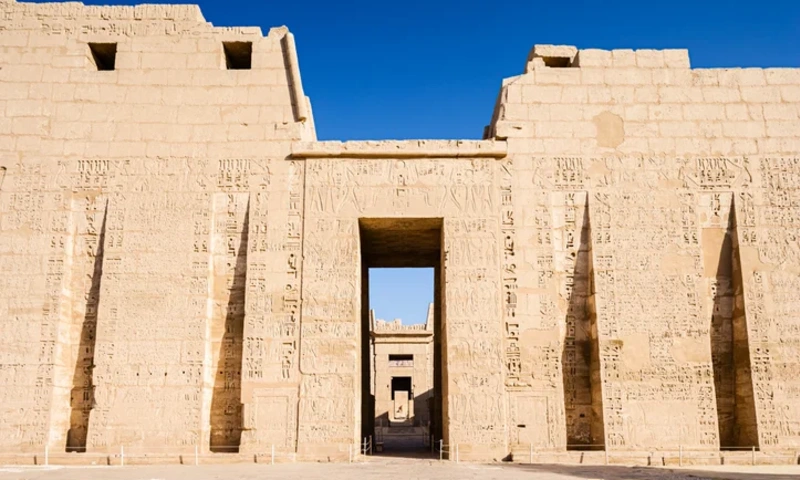
Habu Temple is one of Luxor’s most remarkable ancient sites, offering a glimpse into the religious traditions and royal history of ancient Egypt. A squat, fortress-like gate marks the entrance to Habu Temple, on the West Bank of the Nile near Luxor. Locals call the site Medinet Habu. Ramesses III, a Twentieth Dynasty pharaoh, built it as the mortuary temple of Ramesses III, a place to honor Amun and to keep his own cult going after his death.
Don't mistake it for a tomb. The pharaohs themselves lay in the Valley of the Kings, and temples like this one stood apart on the West Bank to host the rituals and offerings that preserved a king's memory. Medinet Habu holds so much surviving relief that historians lean on it for the wars and festivals of Ramesses III.
Ancient Thebes, today's Luxor, was a city cut in two by the river. Temples for the living, Luxor Temple and Karnak among them, stood on the East Bank, and the dead had the West. See both, and the layout of the old capital begins to make sense.
Table of content:
What Makes the Mortuary Temple of Ramesses III Special?
Its neighbors on the West Bank are impressive, but this complex offers a combination you won't find elsewhere:
-
A fortified gatehouse that resembles a Near Eastern fortress tower
-
Wall reliefs showing the campaigns of Ramesses III, including battles against the Sea Peoples
-
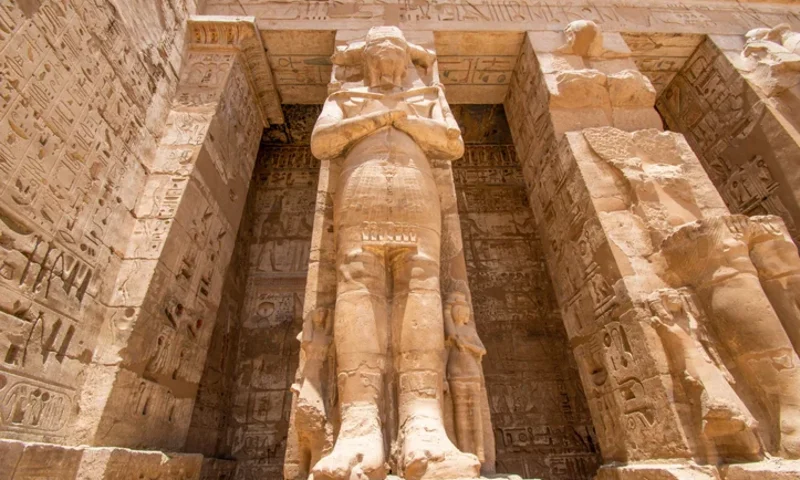
Courts lined with columns and Osiride statues of the king
-
Traces of original paint on carved surfaces
-
An earlier Eighteenth Dynasty shrine inside the enclosure, linked to Hatshepsut and Thutmose III
-
Later additions, including chapels for the God's Wives of Amun and the remains of an early Christian settlement
Few sites keep so many layers in one place, and the temple stayed in use long after its builder's reign.
Ready to stand inside Habu Temple yourself? Browse OFT travel's Egypt travel packages to find a Luxor itinerary that includes the West Bank. A guide and a good plan make the courts of the mortuary temple of Ramesses III far easier to read.
What Will You See Inside the Temple Complex?
The route runs from the gate to the inner sanctuaries, and the scenery on the walls changes as you go.
The Fortified Gatehouse
The High Gate comes first. Its two storeys are often called a migdol, after the fortress towers of the Near East, and no other Egyptian temple entrance looks quite like it. The military styling suits a king remembered for defending the country.
Battle Reliefs on the Walls
Along the outer walls, Ramesses III is almost always fighting. Naval and land battles against the Sea Peoples, who threatened Egypt during his reign, cover long stretches of stone. Ships, weapons, and prisoners are carved with care, so you can follow the campaign scene by scene, like pages in a story.
Courts, Columns, and Royal Statues
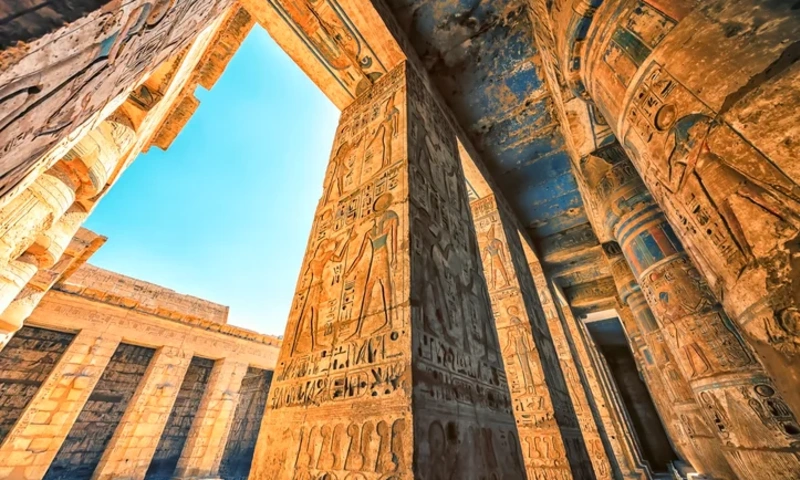
Past the gatehouse, the courts of Habu Temple open toward the inner sanctuaries. Columns and Osiride statues of the king line the space, and the walls show festivals and offerings to Amun and other gods. If those deities are new to you, our guide to Egyptian mythology makes the reliefs much easier to read.
Look closely, and traces of the original color appear. These carvings were once fully painted.
Earlier Shrines and Later Settlement
Tucked inside the enclosure stands a smaller Eighteenth Dynasty temple, linked to Hatshepsut and Thutmose III. So Ramesses III built beside an older sacred site, not on empty ground. Later centuries added chapels for the God's wives of Amun and, eventually, a Christian community that settled within the temple walls.
Why Did Ramesses III Build a Temple That Looks Like a Fortress?
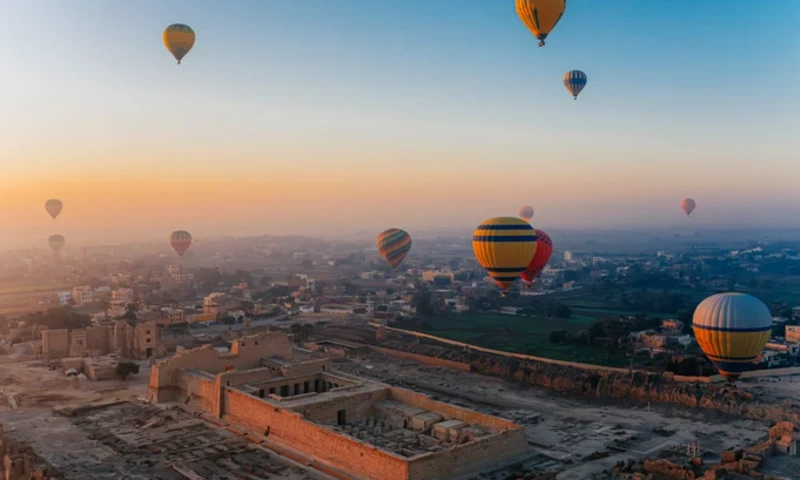
His reign was a time of pressure. Ramesses III faced the Sea Peoples and Libyan groups, and the walls of his temple present those conflicts as royal victories. A fortress-like gate and a heavy dose of battle imagery fit that backdrop. The building honored Amun, and it also told every visitor who defended Egypt.
How Does Medinet Habu Compare With Other West Bank Temples?
Each royal temple on the West Bank has its own appeal. The Ramesseum belongs to Ramesses II, the Colossi of Memnon once guarded the entrance to the mortuary temple of Amenhotep III, and Hatshepsut's temple at Deir el-Bahari climbs in terraces against the cliffs.
Medinet Habu wins on carved storytelling. Battle scenes, festival imagery and centuries of building history share a single enclosure, which means one stop covers a wide stretch of Theban history.
How Do You Plan a Visit to Habu Temple?
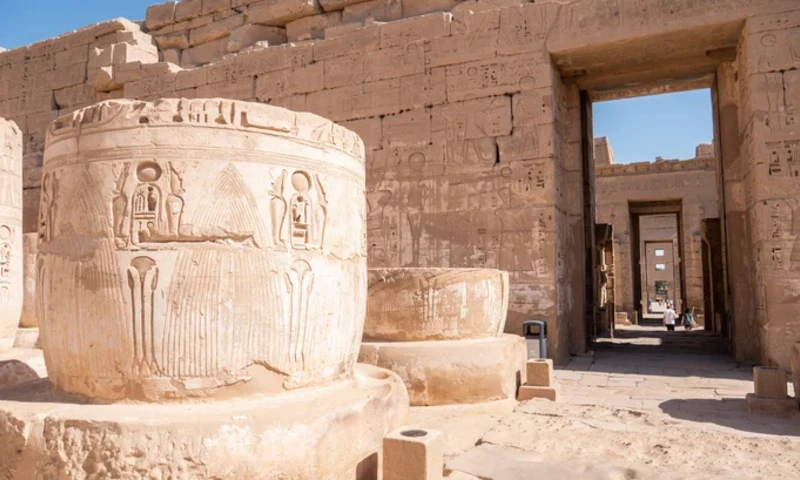
Because the site sits close to the Colossi of Memnon, the two fit easily into one outing. Many travelers add Habu Temple to a West Bank day with the Valley of the Kings and Hatshepsut's temple at Deir el-Bahari. Leave yourself time in the courts, since the detail rewards a slow pace.
The season changes how the walk feels. Our best time to visit Egypt guide explains the climate month by month, and an early start suits the warmer months. Comfortable shoes and sun protection help whenever you go, and your tour operator can confirm current opening hours and ticket arrangements.
Luxor slots neatly into a wider trip, too. OFT Travel's Nile river cruises link temple stops along the river.
FAQs
Where is Habu Temple located?
On the West Bank of the Nile, near Luxor. The Colossi of Memnon are close by, so the two stops combine easily.
Why is Medinet Habu called the mortuary temple of Ramesses III?
Ramesses III built it as the place where rituals and offerings would continue after his death. His tomb lies elsewhere, in the Valley of the Kings.
What can you see at Medinet Habu?
Expect the fortified High Gate, battle reliefs on the outer walls, and columned courts with royal statues. An earlier Eighteenth Dynasty shrine and traces of later settlement sit inside the enclosure as well.
Can you visit Medinet Habu on the same day as other West Bank sites?
Many travelers do, pairing it with the Colossi of Memnon, the Valley of the Kings, and Deir el-Bahari. Check the current schedule with your tour operator when you plan the day.
Is Medinet Habu worth visiting?
Medinet Habu is especially notable for its well-preserved reliefs, monumental gateways, and detailed scenes depicting the reign and military victories of Ramesses III. It is also generally less crowded than some of Luxor’s better-known sites, making it a rewarding stop on the West Bank.
