


Introduction
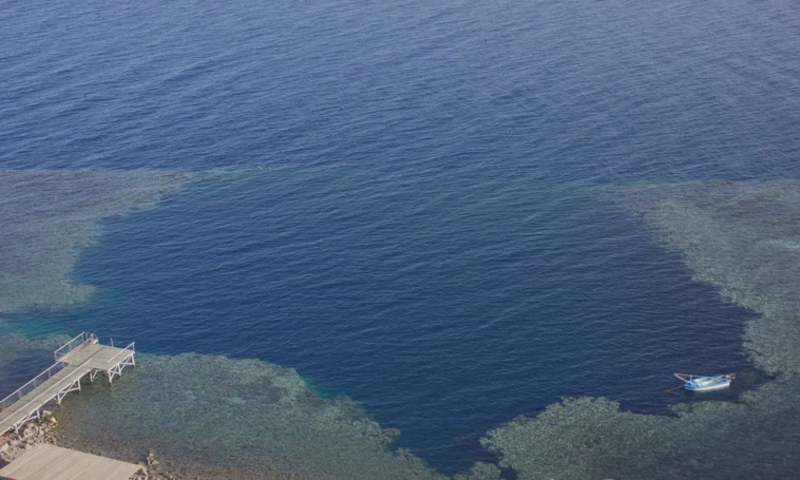
Blue Hole Dahab is located on the Sinai coast of the Red Sea Egypt. This sinkhole has a beautiful coral wall on the edge and a deep drop-off to over 100 metres. Snorkellers can float around the coral edge, freedivers can enjoy the depth, and certified divers can enjoy the beautiful wall and have a shallow crossing point.
In this guide, we’ll talk you through everything you need to know about the layout of the dive site, how recreational diving is done in the Blue Hole, what snorkellers can expect, and how it will fit into your overall Egypt trip.
If you’re looking to include Blue Hole Dahab in your Red Sea list, our team at OFT Travel can help you include this in your overall Egypt trip. Check out our Egypt travel packages to see how you can include the coast, Sinai, and the Nile.
Table of content:
Where is Blue Hole Dahab?
The Blue Hole is situated close to Dahab on the Sinai coast. There is a vertical wall approximately 20m of reef before there is a dramatic drop into a depth of over 100m.
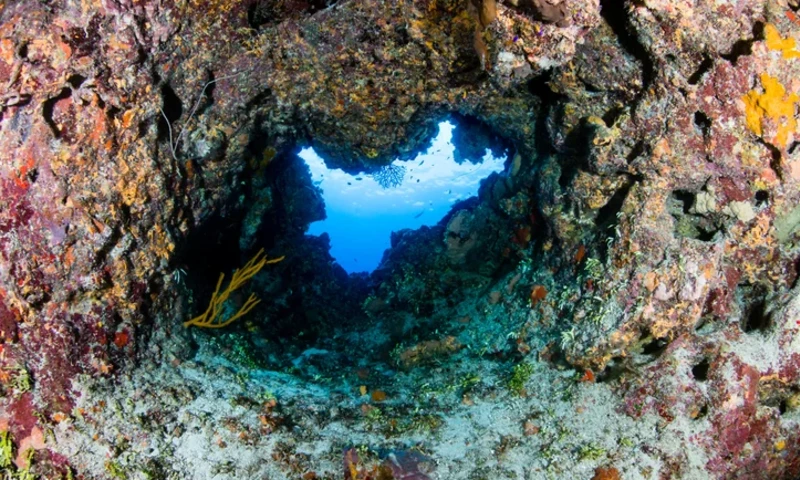
The two main points to note are the shallow crossing point (saddle) that is around 6 metres and the Arch tunnel that is around 26m long with the ceiling at around 55m.
As it is a shore dive and the waters are generally calm, this makes it great for snorkelling, training, and freediving.
What should I know about diving Blue Hole Dahab?
As this is a recreational dive site, it does have a route. Certified divers (usually Advanced Open Water) can dive the Bells to Blue Hole route at a local dive centre.
Bells to Blue Hole Route
You’ll begin your dive around 200m from the Blue Hole. This will involve a chimney descent to around 26- 28 m. From here you’ll follow the outer wall of the reef and cross the shallow saddle at around 6-7m.
You’ll also pass a little arch at around 26m at the bottom of the Bells. This is not part of the Blue Hole Arch.
Arch
This is outside of recreational limits. The ceiling is around 55m however the general recreational limit is 40m. You’d need technical training and equipment to pass through this Arch. This would not be seen when doing the Bells to Blue Hole route.
Can I snorkel or freedive at Blue Hole Dahab without a tank?
Yes! The Blue Hole is the most popular place to snorkel in Dahab. Snorkellers can float around the shallow coral reef; there is lots of colour and a variety of fish. The conditions are great as it is clear and there is little current.
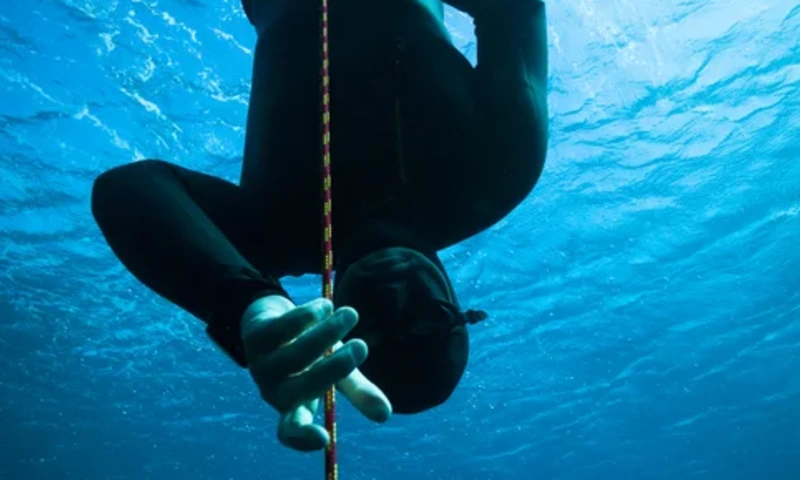
The Blue Hole is also great for freedivers. You have easy access to the depth and little current.
To get an overview of how the hole and reef are laid out, there is a walk to the top of the hill. Snorkellers will benefit from having a local guide as they’ll know where the currents are and where to find the Bells.
What do I need to know?
You must enter the water with a certified local guide. There will be a police officer from the Egyptian Chamber of Diving and Watersports to make sure this happens. As this is a deep dive site (over 100m), you should ensure you stay within your certification limits. Check that your travel insurance policy covers scuba diving and that you are within the depths. A lot of standard policies don’t cover more than 18- 30 m.
Take care whilst diving here to keep the reef safe. Don’t touch the coral, don’t stand on the rock, and be careful with your buoyancy around the saddle. Family and friends have placed memorial plaques here to show how much respect divers give to staying within their limits.
How can I combine Dahab with other sites in Sinai?
The landscape out of the water is very different. We have a guide to Mount Sinai & Saint Catherine to show you how to climb Jebel Musa at dawn and visit Saint Catherine’s Monastery.
If you’d like some desert views, check out our Desert Safari in Egypt guide. This includes Sinai and offers 4x4 vehicle drives, camel treks, sandboarding, quad biking, and stargazing.
Further down the coast, you’ll find Port Ghalib, a purpose-built marina town on the southern tip of Egypt. There are nice marina walks, local markets, and nearby reefs. We have a guide to Port Ghalib that explains how the coast connects to the Nile Valley.
This means you can visit amazing temples like Dendera. The Temple of Hathor has beautifully painted ceilings and columns with the heads of Hathor. We have a guide to the Dendera Temple.

What Egypt trips pair well with a Red Sea stay?
Lots of people choose to experience Ancient Egypt from the sea.Nile River cruises mean you’ll pass stunning temples in the south.
If you want to visit another country, check out some of our multi-country tours. These include Egypt and neighbouring countries like Jordan.
FAQs
Is Blue Hole Dahab suitable for beginners?
Snorkelling is the easiest option. The waters are clear, there is little current, and there is a shallow reef close to the shore. Open Water training is also available here. All divers will have a certified guide. Beginners should stick to their certification and leave the Arch to technical divers.
Can recreational divers go through the Arch?
No. The ceiling of the Arch is around 55m so is out of recreational limits. You would need technical training and equipment to pass through. Recreational divers will use the Bells to Blue Hole route and will pass through the saddle.
How deep is Blue Hole?
The depth is over 100m. The saddle is around 6 m, and the ceiling of the Arch is around 55m. Recreational divers will stay within their 30m qualification.
Do I need a guide?
Divers must enter with a certified local guide. There is a police officer to help ensure this happens. Snorkellers will also benefit from having a guide to know where the currents are and to show you where the Bells are.
What are the Bells?
There is a shore entry point around 200m from the Blue Hole. This will begin with a chimney descent to around 26-28m. From here you’ll follow the reef wall and end with a crossing of the saddle.
