


Introduction
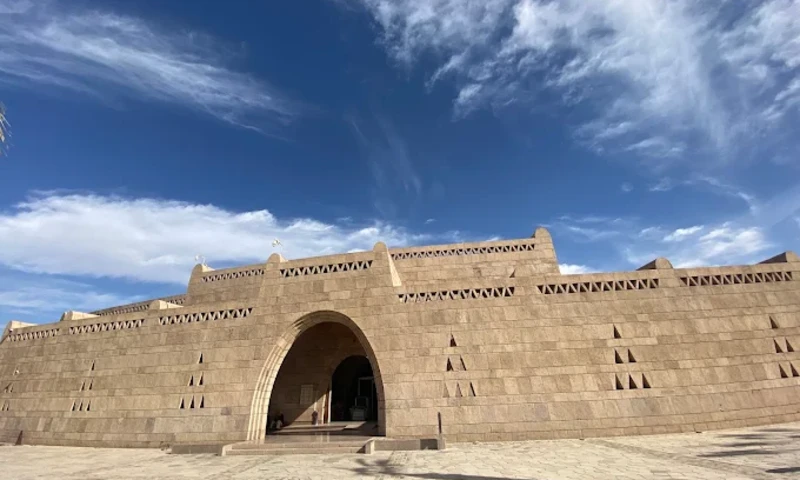
The Nubian Museum is a major part of the Egyptian landscape, and it is situated on a hillside overlooking the Nile in Aswan. It covers the history of Nubia — the region stretching from southern Egypt to northern Sudan, along the banks of the Nile Valley, from prehistory through the Pharaonic, Greco-Roman, Coptic, Islamic periods, and the modern era.
The museum, which opened its doors in 1997, is the result of a global effort to document and preserve the Nubian heritage that was submerged by the rising waters of the reservoir behind the Aswan High Dam. Many people from Nubian villages were resettled in the communities near Aswan and Kom Ombo. For more history about this area, read our post about the Aswan High Dam Guide.
Plan your museum visit ahead of time and make it part of a larger itinerary that includes other major attractions in Aswan. Set aside a day or two in Aswan for the museum and the ancient monuments of Philae and Kom Ombo, or extend your time in southern Egypt to include a Nile River Cruise from Luxor to Aswan. Choose an Egypt trip package that includes Aswan.
Table of content:
What Can You See at the Nubian Museum Aswan?
The museum’s galleries are organized chronologically, so you will see the history of this region from prehistory through the modern era. The collection includes approximately 3,000 artifacts that were arranged to display the variety of cultures and civilizations that had inhabited Nubia.
-
Galleries from prehistory through the Islamic era
-
A large granite statue of Ramesses II
-
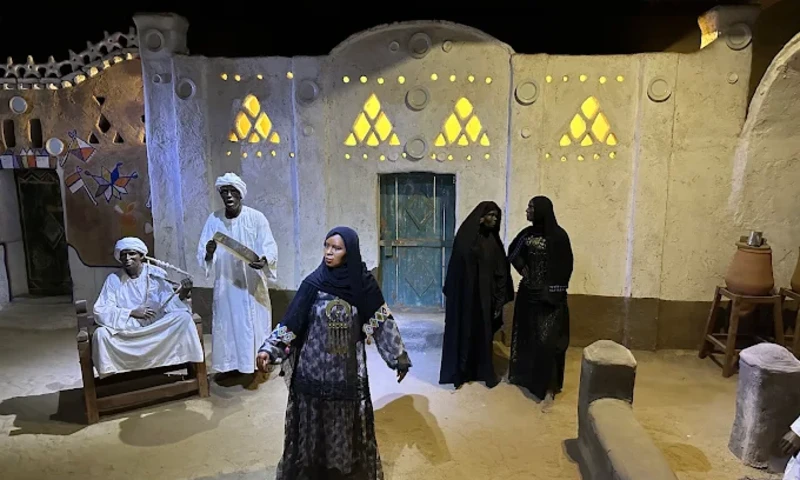
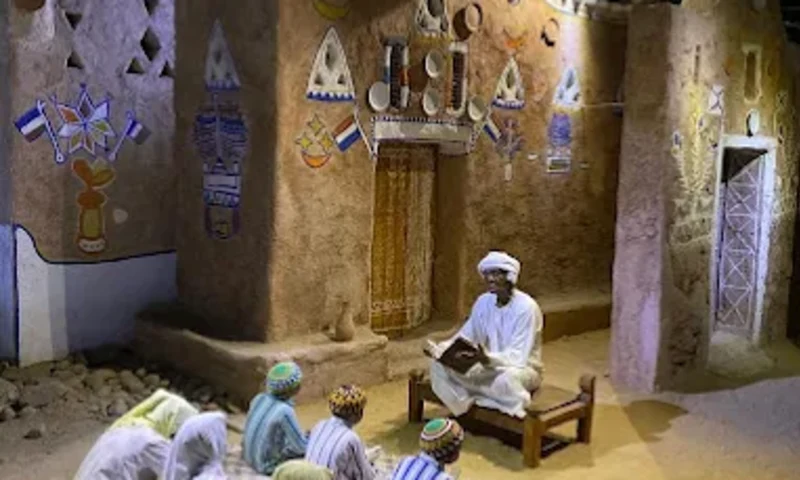
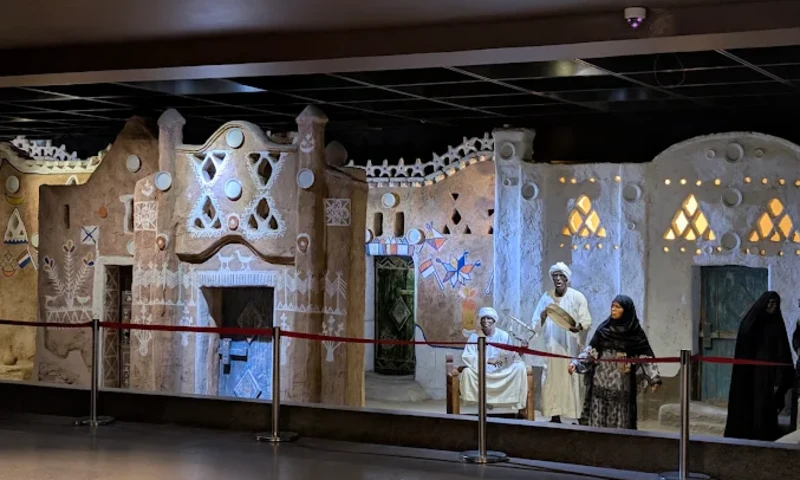
Displays of Nubian cultural artifacts and traditional lifestyles
-
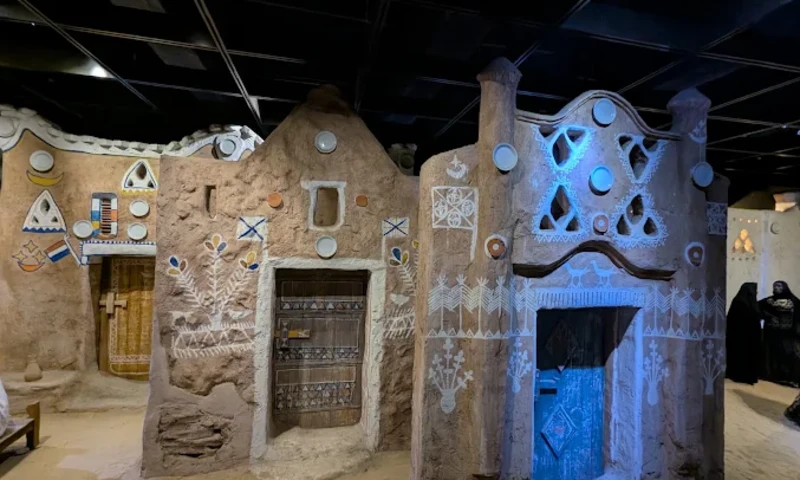
An outside garden with a re-created traditional Nubian dwelling
Galleries from Prehistory Through the Islamic Era
The museum’s first galleries are devoted to prehistory and include artifacts representing the earliest known settlements and rock drawings in Nubia. Subsequent galleries focus on the different cultures of Nubia throughout history.
Statues and Cultural Artifacts
Besides impressive statues of ancient Egyptian pharaohs, many galleries are devoted to the everyday artifacts and cultural practices of the local Nubian civilization. Although the museum collections mostly represent ancient cultures and traditions, the displays of ancient artifacts provide insights into the rich history of this region. The statues of pharaohs and temples have their place in the museum, but displays devoted to the everyday artifacts and cultural practices allow the visitor to better understand the diversity of Nubian history and culture. If your itinerary also includes visiting the West Bank, our Luxor Museum guide offers more insight into the history of royal statuary in ancient Egypt.
The Garden and Displays
The museum has a lovely garden with a recreated traditional Nubian house that provides an excellent opportunity to look more closely at the residential architecture of the local area through the ages. It is an ideal place to relax and reflect on your visit before returning to the city.
Why is Nubian History Important to Aswan’s Local Culture?
Nubia is a cultural region defined by its geography rather than its political boundaries, which meant that the local people developed unique traditions and cultures through the ages. The area’s history is closely intertwined with the construction of the Aswan High Dam. When the dam was built, the reservoir behind it flooded the Nubian villages and the monumental ancient heritage. This prompted an international effort to document and salvage Nubia’s ancient monuments and artifacts. Local villagers were also resettled in Kom Ombo and the surrounding communities. The museum’s collection serves as a reminder of the region’s rich and diverse past and is a part of local history for all visitors and residents.
How Do You See the Museum in Aswan?
You only have one day in Aswan — what should you do first, the Nubian Museum or the city’s main attractions? Travelers who want to see Egypt’s ancient history will most likely choose the latter. However, a museum visit allows the visitor to learn more about the local culture in a way that complements the historical tour. We suggest starting your day with the museum visit and then exploring the wonders of this ancient city. Although the galleries are indoors, the museum makes a good stop between open-air archaeological sites. If you are visiting Aswan from a cruise ship on the Nile River, consider a Nile River Cruises from Luxor to Aswan.
How Do You Plan Your Museum Visit in Aswan?
There are some considerations to keep in mind before your visit. First of all, the museum’s opening hours may change, so it is best to double-check the website for the latest information. Ticket arrangements can also be subject to change, and the staff at the entrance will be able to advise you regarding the photography rules in the different galleries. Here are some tips to help you prepare for your visit:
-
Dress comfortably for walking around the museum and the garden
-
Light clothing and skirts are a must in this part of Egypt
-
Bring a bottle of water and a camera (ask about photography rules at the entrance)
-
Arrive by taxi or on foot, as the museum is a short walk from Old Cataract Hotel
-
Leave time to relax and take photos in the garden
The museum visit is best experienced at a leisurely pace within a couple of hours, allowing sufficient time for exploring each gallery and studying the displays. You can also spend more time outdoors if the garden is more to your liking. As you are planning your trip around Egypt, have a look at our Egypt Travel Packages, where we also cover Aswan, Luxor, and Cairo.
Which Itinerary Combines the Museum and Other Attractions in Egypt?
The Nubian Museum usually comes toward the end of an itinerary in southern Egypt. The famous Philae Temple in the city of Aswan is a good option to consider as well, and the Kom Ombo Temple guide describes the double temple to Sobek and Horus — a must-see if you are in the area. Travelers who want to extend their Egypt tour to other countries can explore Egypt, Jordan, and Morocco in a comprehensive multi-country tour.
FAQs
Where Is the Nubian Museum Located?
The museum is located on a hillside overlooking the Nile in Aswan, a short walk away from the Old Cataract Hotel. Its convenient location makes it easily accessible as part of your Aswan travel itinerary.
What Does the Nubian Museum Aswan Display?
The galleries cover the history of ancient Nubia from prehistory through the Pharaonic, Greco-Roman, Coptic, and Islamic periods. The museum’s collection includes over 3,000 artifacts from ancient civilizations, including a large granite statue of Pharaoh Ramesses II, and displays devoted to the ancient Nubians’ cultural practices.
How Long Should You Spend at the Museum?
Most travelers will find a couple of hours at the museum to be a good amount of time to experience the highlights of each gallery. If you plan to have a more leisurely visit, set aside more time to explore the collections and the lovely museum garden.
When Did the Museum Open?
The museum opened its doors to the public in 1997. It was created as an international project to preserve the Nubian cultural heritage that was submerged by the waters of the newly built Aswan High Dam.
Which Other Attractions in Aswan Pair Well With the Museum?
The Unfinished Obelisk and the Aswan Dam are great additions to any museum visit, and travelers who take a Nile River Cruise to Aswan can also visit the Kom Ombo Temple.
